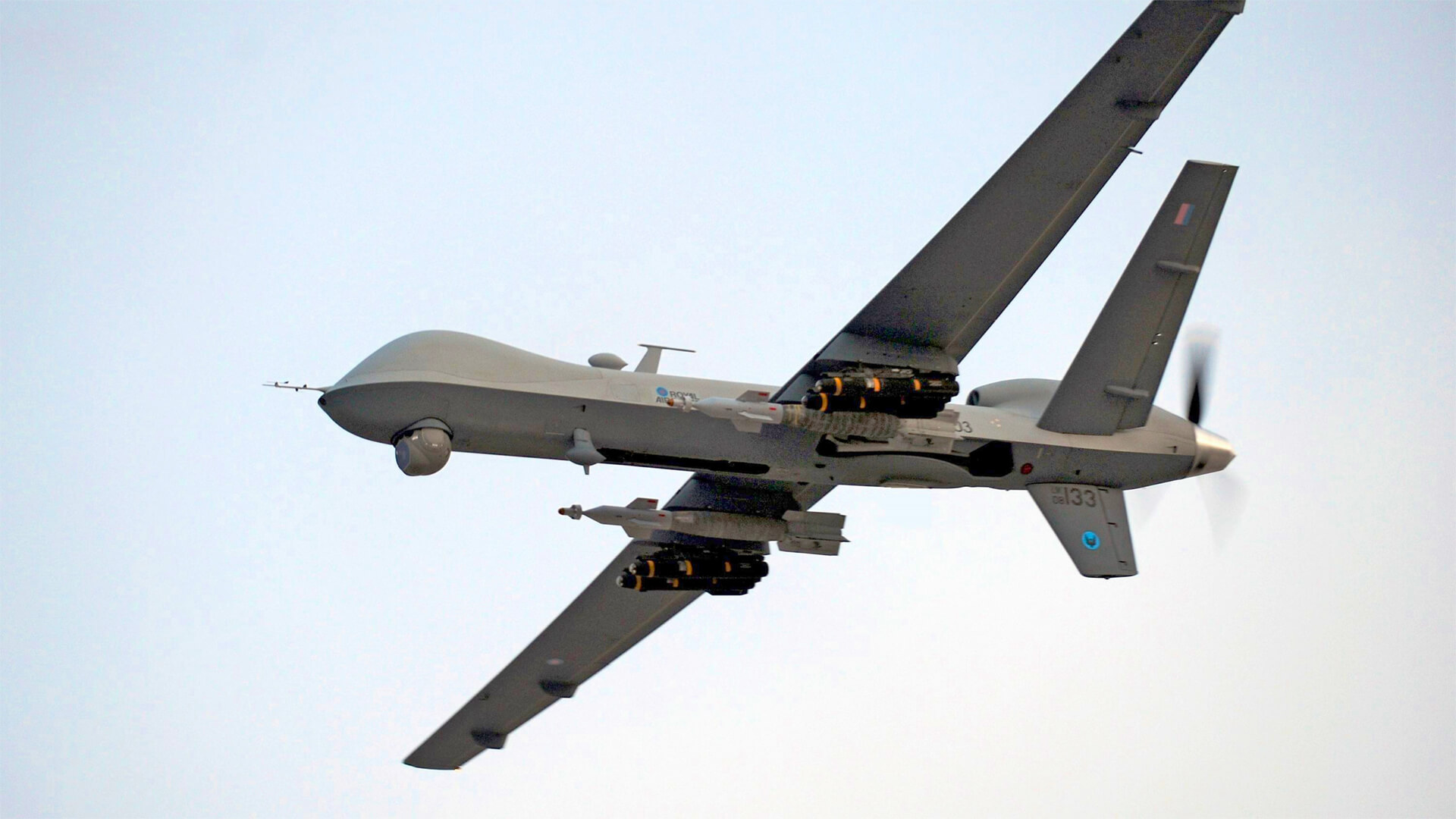

While Ukraine has dominated drone innovation, Russia’s been able to mass-produce proven drone systems at a scale that Ukraine cannot match. The Russians have also been incrementally improving their drone tech.
Russia has been replacing propellers with jet engines and equipping certain drones with air-to-air missiles. So, despite Ukraine’s advantage on the innovation side, the Russians aren’t getting left in the dust.
Up to this point, both sides of the conflict have been able to draw on their strengths to adapt to the new tactics and tech that hit the battlefield.
Transcript
Hey everybody. Peter Zeihan here, coming to you from Colorado. Today, we’re doing another episode in our ongoing series on evolving drone technologies. And today we are specifically looking at the Russians. Most of the breakthroughs that we have seen that have reshaped the battlefield in the Ukraine war since March have been Ukrainian longer range, better targeting, faster assembly, mass manufacturing. Go go go go go go.
But it’s not like the Russians have just been sitting there. Yes, yes, yes. Most of their parts are coming from the Chinese system and they’re just being assembled in Russia. But that doesn’t mean that the Russians don’t have a military industrial complex. In fact, still today, they easily have the third most powerful one in the world, legacy of the Soviet system, with a few things that have been added here and there.
But when the Russians really shine, it’s when they take a proven technology and then apply it to a new platform and mass manufacture it. And we are now in the early stages of seeing that with what used to be called the shards. Those are the the dumb drones that they originally brought in from Iran. They now call them Garin if they’re made in Russia, Iran, and we’re now into the third and even the fourth generation.
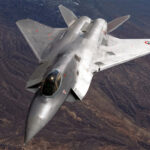
And the single biggest difference is that the Russians are taking the propeller off as method of propulsion and slapping on a jet engine. So the original shards travel at about 100 miles an hour, maybe 120 if they’re pretty zippy. The new ones coming out of Russia are traveling at pushing 400 miles an hour. So that’s problem number one, because there just aren’t very many interceptors that the Ukrainians have access to that can catch one of these drones.
Usually what happens is you fire a bunch of interceptors and anything that doesn’t hit on the first pass as the penetrate turns around and chases it, that doesn’t work when your interceptor can’t catch up. And with the Garin four starting to come online now, we’re seeing more and more of these relatively cheap drones punching through air defenses because you only get one shot.
That’s problem number one. Problem number two is as much advances as the Ukrainians have made in interception and long range strike. They still just don’t have control of their own airspace. Yes, they’ve got decent anti-aircraft capabilities. And yes, that has kept the Russians at arm’s length, where they launch glide bombs, then take 20 miles to glide down, hit their target.
But the Ukrainians have lacked the ability so far to impose a degree of air superiority that would allow them to actually go after where the fighter jets are. So their solution has been longer range, bigger payloads go after the bases that these things launch from. That’s been working, but it’s not enough.
And now the Russians are about to do something else. They have started putting something called an AR 60. That’s an infrared driven anti-aircraft missile on top of a Garand, and then sending that in so it doesn’t go as fast as, say, a MiG would go into a thousand miles an hour roughly. So the drones are going about half that speed, but then they launch an anti-air missile.
So any F-16s or Griffins or Rafael’s or any other vessels, any other aircraft that the Ukrainians actually are able to get in the sky are going to start facing wave after wave of cheap, disposable drone firing a single missile. About the only good news news is that the missile itself weighs enough that that Garand cannot then also carry a warhead.
So it’s just a one shot deal, not a two shot deal. But you throw a few dozen of those on the front every day, and it’s almost impossible for the Ukrainians to get anything up in the air, much less provide any sort of screen, much less project power into Russian territory to prevent those glide bombs from coming.
So, yes, most of the breakthroughs, most of the changes, most of this really impressive stuff that we’ve seen in the last three months has been from Ukraine. It has been hurting Russia. It has been causing a lot of damage. But it doesn’t mean that the Russians are just lying there. They’ve basically taken steps to ensure that they can still hit nearly any target they want in Ukraine.
They just have to send a few more of these jet powered drones after it. And there is no way that Ukrainians are anywhere close, getting any degree of control over their airspace. And as long as that happens, then if they do, the Ukrainians do manage to launch a ground assault, they’re going to be doing so under a hail of glide bombs, because they can’t really do much about it.