China Gets a New Base in Southeast Asia

Chinese troops in formation and in camouflage fatigues

The Chinese are laying the groundwork for a new overseas military base in Laos. What makes this so special? Well, it would be the first foreign base that China can reliably supply without heavy dependence on other countries. And it would enable greater power projection across mainland Southeast Asia.

But there are some caveats. This base would be hard up against the Thai border, and for anyone who lacks regional knowledge, Thailand isn’t just some pushover country. It has a longstanding history of independence and a military to uphold that. Regardless, China’s base could significantly alter the region’s strategic balance.

Transcript

Hey everybody. Peter Zeihan here, coming to you from Colorado. It’s a nice fall day. Figured I’d get out and stretch the legs. Today we’re going to talk about a new development in Southeast Asia. It appears, I don’t want to overplay it, but it appears that the Chinese are laying the foundations for their first overseas base that they can actually supply without outside help. Keep in mind that they only have one until now. And that one is in Djibouti. It’s part of the whole anti-piracy operation, but that is completely dependent upon countries like Vietnam and India allowing their navy to operate unfettered, and the United States even facilitating actively Chinese supply lines. They just they can’t project power that far.  

The new one is in Laos, a country in Southeast Asia. It’s landlocked. It is. Let’s be kind. It’s a failed state, and the only reason that it even gets talked about at all is because Chinese investment basically controls it. Chinese security forces basically run the intelligence services. It is not an independent power in any stretch of the imagination. It’s much more under the Chinese thumb than, say, Belarus is under Russia’s thumb, for example. Anyway, it’s landlocked. It’s got Vietnam on one side, Thailand to the south and Myanmar to the west. And so what it really has is strategic position among countries that really matter now and will really matter in the future, because if you look forward 10, 20, 30 years, these three countries, Vietnam, Thailand and Laos have a combination of industrial capacity and geographic potential and for the most part, a good demographic structure. So they’re going to be major industrial powers moving forward. Anyway. The new base is just south of Vientiane, which is the capital of Laos, and it’s basically hard up spitting distance of the Thai border. And with the air base, it seems to be under construction. Satellite photos have shown a number of Chinese aircraft that have been there, and not just overnight. So it’s not an exercise. The Chinese would be able to project power really throughout land based Southeast Asia, which is something that could be a problem for anyone in the area. Pros and cons from the Chinese point of view, pros of course, is the new reach that they have and turning a client state into a military satrapy. Not a bad idea. Cons. The country that this is on the border of is Thailand, and Thailand is arguably the most capable country in the region from an economic and from a security point of view. So if you put an air base hard on the border of a country that actually has a functional army, if you ever use that air base, you’re going to be hating life and the not too distant future. Also, keep in mind that Thailand is not a normal country in many respects. It’s not that it’s pro-American, although as a rule it is. It’s that Thailand has a deep cultural muscle tone that isn’t just part of the post-World War II era. Even at the height of the Age of Empires in the colonial age, Thailand was never fully colonized. The core of it, including right up to the border that this base is now on, always remained under domestic Thai control. 

So if the Chinese were looking to pick a fight with someone who can fight back, they picked well. And if they’re looking to undermine a country, this is the one they have to undermine. So one way or another, this is really colorful, and I don’t think we’re going to have to wait more than a couple of years to see how Thailand and other countries respond. 

That’s it.
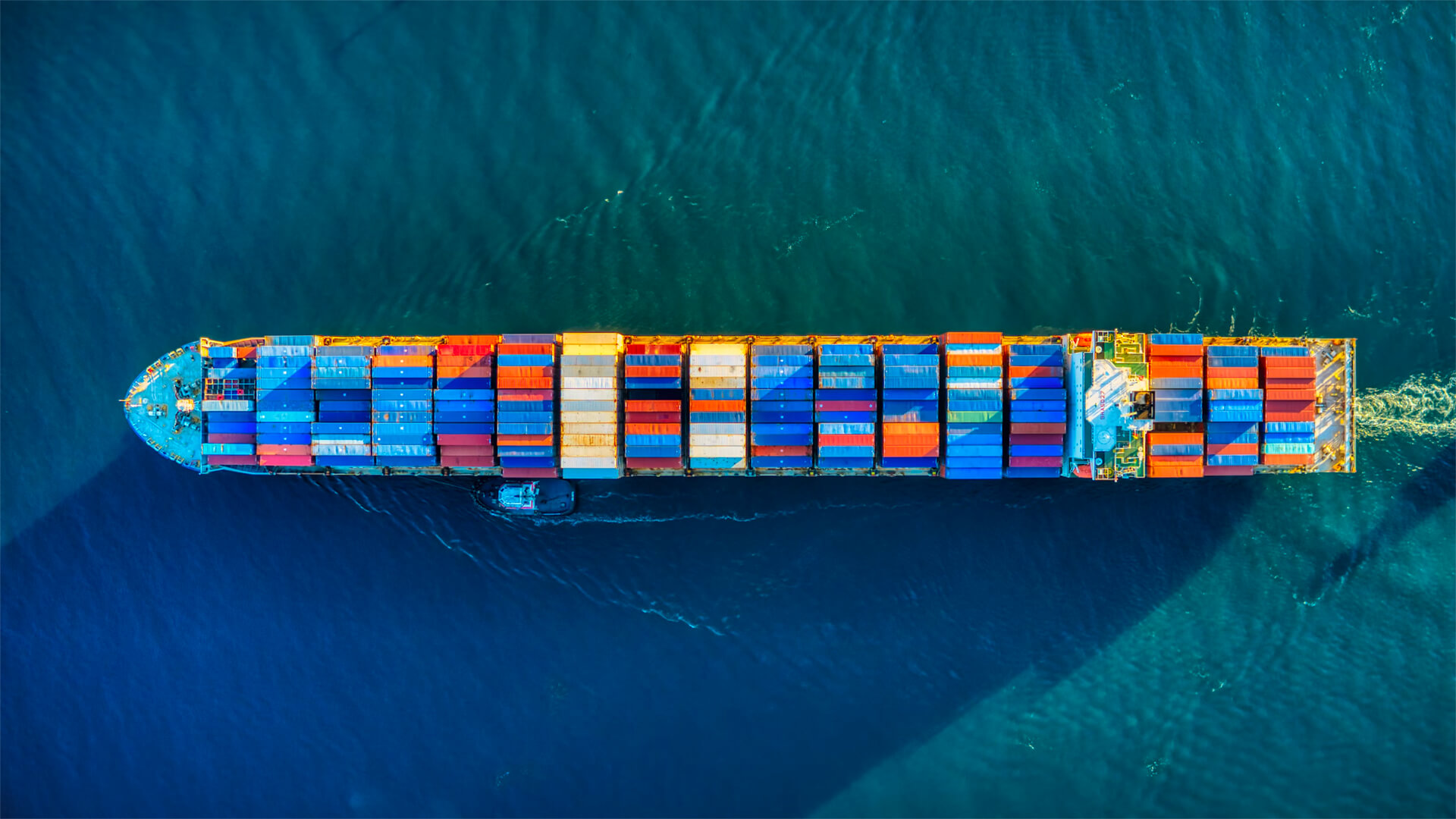
The End of Black Sea Shipping

A cargo ship in the water

With attacks throughout the Black Sea raining down from the Ukrainians and Russians, we’re seeing the collapse of Black Sea shipping unfold.

The latest attack was on a tanker just off the coast of Sochi. When attacks like this begin, it’s no longer viable to put ships in the region. This is the end of shipping in the Black Sea, and that has huge implications for both sides of this war.

Transcript

Hey everybody. Peter Zeihan here, coming to you from Colorado. It is the 7th of October, and the news is that we’re very close to a collapse in shipping in the Black Sea. The Ukrainians and the Russians have been targeting each other’s shipping and ports since the beginning of this war. But in the last year, we’ve seen a huge amount of activity increase as the drones have gotten better telemetry. One side will do an innovation, the other side will copy it. So in this case, it’s the Russians that are doing the copying. Starting a few months ago, the Ukrainians started using open source satellite information to track Russian ships. Basically, you go from a port, say, Novorossiysk, and there’s only one way out of the Black Sea, which is the Turkish Straits as Istanbul. And so it’s more or less a straight line. And if you have a transponder, you’re obviously a legitimate ship. If you don’t have a transponder on, that means you’re part of the shadow fleet. And so basically, the Ukrainians have cross-referenced everything and just attacked anything that didn’t have a transponder on. The Russians are now basically doing the reverse, attacking things that do have transponders, but only if they’re in the economic zone of other countries, specifically Romania and Bulgaria. So we’ve had three hits in just the last, I think, 36 hours. 

In addition, the Ukrainians were the ones who basically invented naval drones, which is either a jet ski or a small motorboat packed with explosives. Now, the Russians are doing that as well, and the Black Sea is small enough, and Russian and Ukrainian technological skills are high enough that there is no safe part in the Black Sea that is out of range. So we’re getting attacks all over the place. And the newest one, it looks like the Ukrainians hit an oil tanker off the coast of Sochi, which is Vladimir Putin’s favorite vacation spot, and the whole thing is on fire. We’ll show you some footage here, and there’s really no way to put that out. Even if the Russians had the mitigation equipment, which they don’t in the Black Sea, this is simply too big of a fire. What this basically means is, unless ship captains are willing to risk life and limb every moment that they’re in the scene, unless insurance companies are willing to basically write off their insurance policies, it’s difficult to see any shipping persisting as long as these attacks are happening, and we should expect the Black Sea to be shut down in days at this point. This is one of Russia’s primary export routes, about a million and a half barrels per day. This is Russia’s primary oil and of course, grains export point. This is Ukraine’s primary wheat, steel, coal and sunflower and food oil export points. This is kind of a big deal. And this is really only step one, because the Ukrainians have already shown they can hit most Russian targets in the Baltic Sea as well. And if the Black Sea is now shut down, that is the next target. 

I’m a little surprised that it’s taken this long for the Black Sea to be shut down. But this is not just the beginning of the end of the Shadow Fleet. This is the end of the Ukrainian ability to earn hard currency as well. Everything else has to go out by rail. And because a lot of the things that Ukrainians export are also exported by the countries they border, like Poland and Romania and Hungary, those countries have basically said, you can send stuff through our system, but you can’t export it through our ports because that’s already claimed. So you have to take it another country further and get it to Germany and Belgium and in Greece, which of course just means you need more cars and more time and then ultimately less cargo. So this is a big hit economically to both sides. And we are just getting started.

What Happens When India’s Water Runs Out?

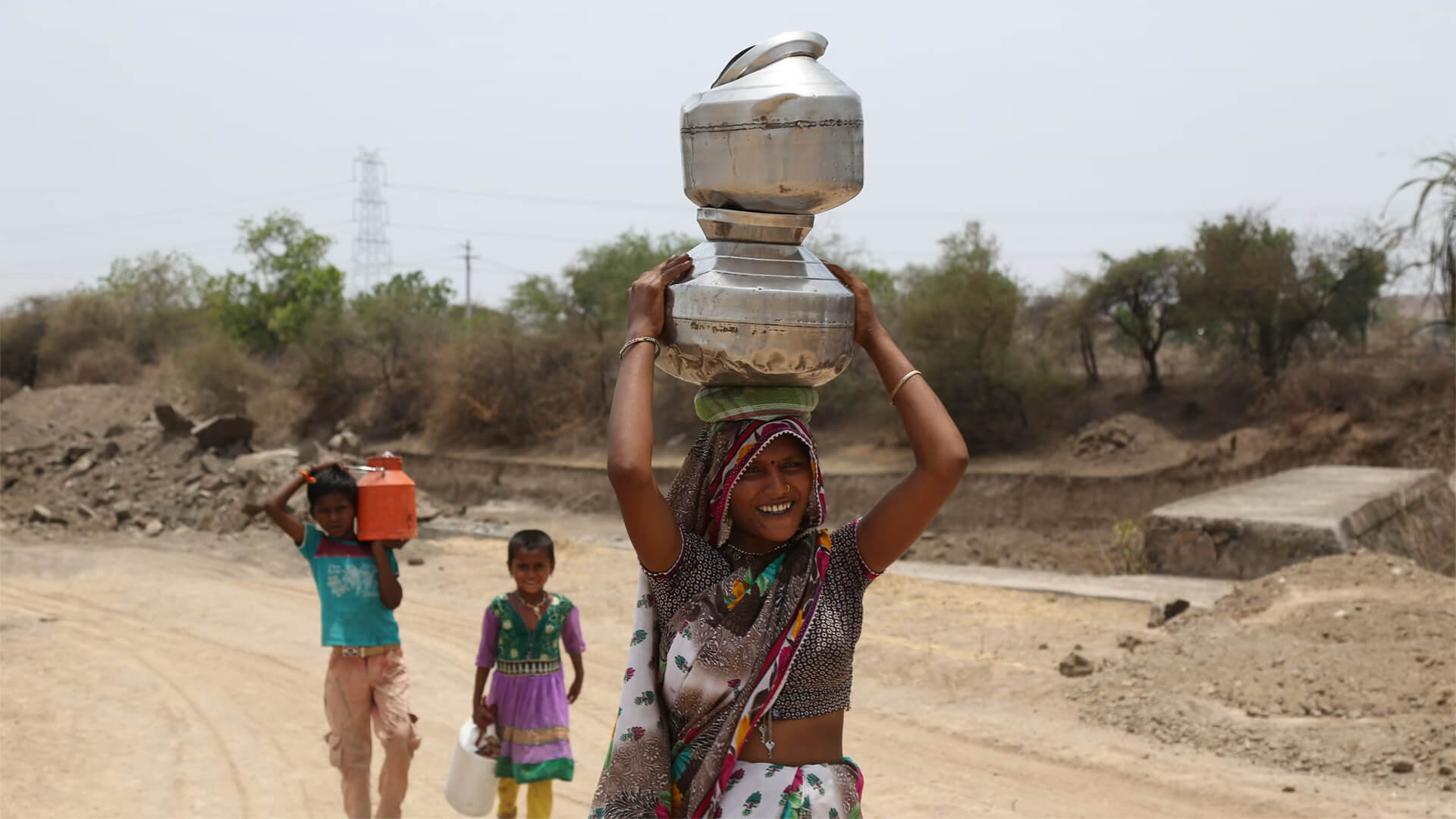
A woman and her children in India with water jugs on their head and walking

While the fallout from the Ogallala Aquifer running dry will be rough, it’s nothing in comparison to what will happen in the Punjab region of northern India.

This region has relied on this aquifer for roughly 70 years. Between extensive drilling and mass amounts of individual extraction points, they’d be lucky to get another 15 years out of it.

When that dries up, expect to see a water-driven food shortage for hundreds of millions of people throughout India. However, the consequences facing the aquifer in part 3 are even worse…

Transcript

Peter Zeihan here, still in Slide Canyon, doing the second part of the video on fossil water. Give you an idea of why I’m walking off trail. This is what they call the slide. The mountain just gave way and slid forward and came all the way down to the bottom and had enough momentum that it worked partway back up the other side. We’re gonna go around this not over it, because we’re not stupid. 

Okay. Part two, we were talking in part one about the Ogallala watershed and how that area is about to become a no-agricultural zone. There are two other parts of the world. The first one is in the Punjab in northern India. This is an area that has been doing industrial water extraction for the better part of 70 years. But when I say industrial water extraction, I’m not just talking wells here. I’m talking localities who have used things like aid money to drill their own wells. And things were going very, very aggressively. And we were looking at depletion within 30 to 40 years. That was before solar power, because now anyone can buy like a two kilowatt solar system and have a small pump for their own personal use. And so we now have added literally millions of new taps into the aquifer. And we’re now looking at the entire thing being drained in probably less than 15 years, maybe as little as ten. 

This was already one of the most depleted aquifers on the planet, far more so than the Ogallala. Whereas the Ogallala supports tens of millions of people, the one in Punjab supports hundreds of millions of people. So we are looking at a water driven calorie deficit in India within a decade or two, that is just simply difficult to wrap your mind around. And it is nothing compared to the third one.

Defending the Homefront from Cheap Drones

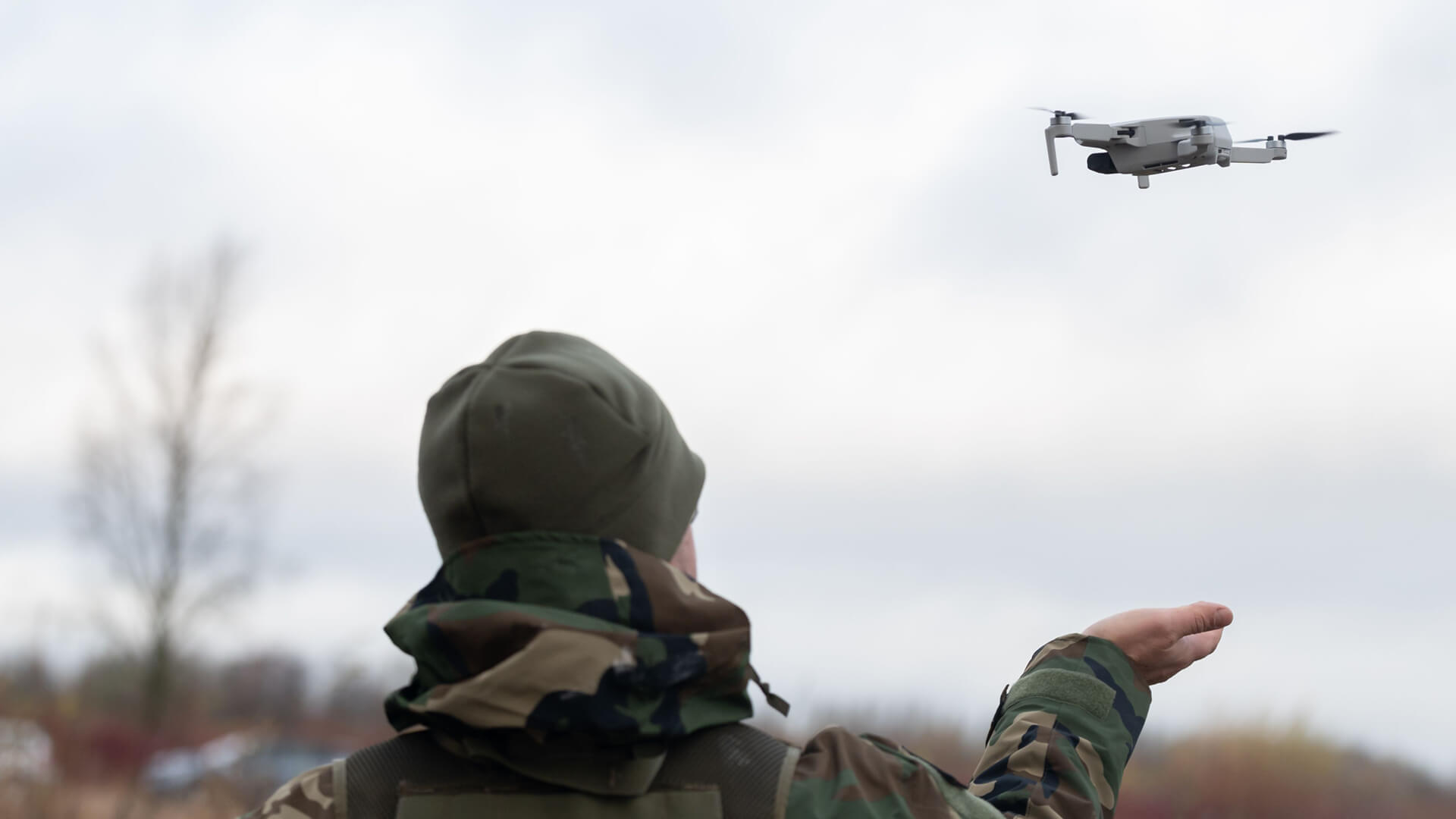
Camo clad man flying a drone outdoors | License by Envato Elements

It’s one thing for high-tech, expensive strike systems to break through defenses, but when cheap and simple drones can inflict widespread damage…that’s a whole other can of worms.

Having the ability to hit hard-to-defend civilian infrastructure with these low-tech drones means that countries like Saudi Arabia and Russia have to rethink everything. They’re not just changing how their military operates during wartime, but fundamentally shifting how their economy functions from the ground up.

Transcript

Hey all, Peter Zeihan here, coming to you from Colorado. And today we’re going to talk about a new sort of targeting system that has been used in multiple theaters or new targeting criteria would probably be a better way to phrase that. Over the weekend in the late part of last week, we had the Houthis of Yemen starting to attack Saudi Arabia’s civilian airline system, specifically the Riyadh International Airport, where at a minimum, 12 people were killed, probably closer to 30 and several hundred people were injured. Looks like a plane was hit. One of the terminals with passengers was hit. And then in Russia, the Ukrainians have started targeting data centers. Data centers are very easy to disrupt. They’re very large targets. They’re hard to miss, and they require absolutely massive amounts of climate control or the chips melt down. So you put a hole in the roof, that kind of ruins the entire experience for everyone. In addition, the Russians cannot make any, any, any of the semiconductors that go into even a circa 1999 data center. So this is 100% imported hardware that they can’t replace without spending a great deal of money.

According to the Houthis, anything that’s in Saudi Arabia is a viable target because they’re in a general war with anyone who’s on the other side of the Palestinians or the Iranians. And they, over the last decade, have really been not particularly picky about what they attack in the first place. Ukraine is a lot more discerning from their point of view. Data centers are part of the infrastructure that allows Russia to be a modern state, and the data centers handle military logistics and weapon designs, which are true. So they see it as a viable military target in its own right, in addition to the fact that it’s an important civilian piece of infrastructure.

The bottom line for both of these is that normally when you’ve got drones going against military targets, there’s a degree of electronic warfare in play that scrambles the signals. So if you’ve got a long range drone coming in, you can scramble the signal. Then the pilot loses control of the drone and either Peter pans or crashes or hovers and does basically no damage. Or you can kinetically intercept it with, say, bullets or missiles or whatever it happens to be. That is not in play with these two target sets. Until now, the Saudis and the Russians have not put up electronic warfare around these sort of assets. For one, if you put electronic warfare around your entire economy, you won’t have an economy anymore. It’s simply too big to protect. And specifically for the airport, if you have E-W that’s meaningful, you’re going to have a hard time landing planes. The bottom line is here is that these weren’t fancy drones. Over the last eight months, I’ve done quite a few videos talking about how the advances in drone warfare allowed them to bypass E-W. That didn’t apply here. These are relatively unguarded, mostly civilian targets, which means that what the Houthis and the Ukrainians have done is eminently replicable across the entirety of Saudi Arabia and the vast majority of Russia. Both of their systems now have more than enough range. So the Iranians are providing the Houthis with the weapons to do this. They can hit anywhere in Saudi Arabia. The Ukrainians are, for the most part, producing their own drones. They have already demonstrated that most of them have a range of at least 300km, some upwards of 1600km. So everything that’s basically within 100km of Moscow and significantly more is all within range, which means it is time for us to start noodling, fast hopefully, about what a post drone economy can even be. Because if everything within 600 miles of an enemy is civilian infrastructure that you either have to protect or write off, then the entire industrial age needs to find a new way to operate. We are not ready for this. No one is ready for this.

Perhaps the biggest problem that I see here is that the drones that were used were not sophisticated at all. They don’t have that advanced technology that’s being developed this year in it. These are just plain Jane weapons platforms that are very, very cheap. Nothing, nothing in the input stream for them is under any degree of sanctions. And if you wanted to sanction it, you’d have to sanction basically every single phone maker, computer maker. In most electronics makers, you’re talking about chips that are not just legacy, but all the hardware in them could have been assembled with parts from RadioShack 15 years ago, was RadioShack still around 15 years ago. You get the point. That’s before you consider the more advanced stuff that is coming up, like the memory drones out of Ukraine that can even get through jamming now.

So we’re now in a situation where all of the crude out of Saudi Arabia is being threatened not just by advanced drones, but by basic ones. And the entire supporting economic structure has now, basically the genie’s out of the bottle, the seals been cracked. In the case of Russia, it’s not just about the shadow fleet in the market, it’s about the wheat markets, about the sunflower market. It’s about the iron ore market. It’s about the aluminum market. It’s about the timber market. All of these are now easily targeted systems with where we are with drone manufacturing on just a regional basis.

It doesn’t take a huge amount of imagination to come up with a military conflict in somebody else’s backyard, where drones become part of the problem, and all of a sudden the entire industrial infrastructure is in play. I’m looking at you, Northeast Asia. Anyway, that’s it from now. See you guys next time.

How Diesel Could Shape the Ukraine War

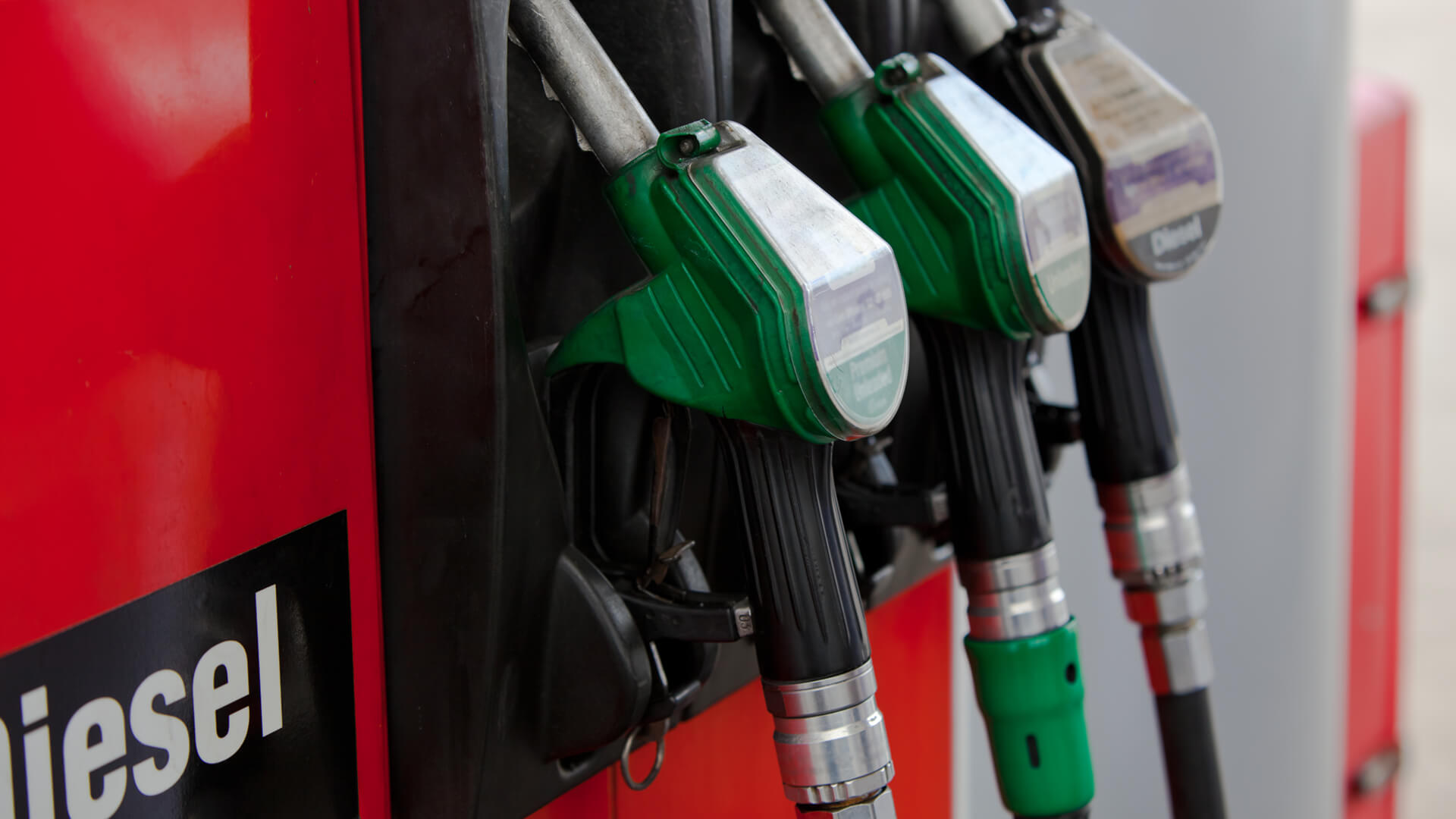
Photo of diesel nozzles at a gas station | Licensed by Envato Elements

A U.S. diesel ban could have reverberating consequences for the Russian energy sector, following the sustained attacks by Ukraine. Russia is now relying on places like Kazakhstan, Belarus, and India to supplement its fuel supplies.

The Russians rely on diesel to transport damn near everything, so shortages will directly impact their military capabilities. Should the U.S. move forward with removing its diesel from the global market, the Russians won’t have long to come up with a solution.

Transcript

Hey all, Peter Zeihan here, coming to you from Toronto, specifically Queen’s Harbor. Anyhow, I wanted to put my $0.02 on a discussion that’s been happening for the last few days, and that’s a diesel export ban here in the United States. Now, we’ve already done a core video. We’ll link to it here about the economics of that and why it would work or not. But there’s another consideration, because the country that used to be the world’s largest exporter of diesel fuel, Russia, is now an importer because of all the damage the Ukrainians have been inflicting upon the Russian refining complex. It’s part of the reason why Donald Trump at the moment doesn’t like Ukraine. He goes back and forth. Anyway, they have been forced to import diesel from Kazakhstan, Belarus and India, which, while they are exporters, are not huge exporters. Right now, the shortage in Russia is probably in excess of about 1.5 million barrels a day of oil equivalent, and that number has probably gone up in the last two weeks, because the Ukrainians really have been doubling down on the attacks. Diesel is a big deal in the United States because we transport everything by truck, but the Russians aren’t too far behind. Primary transport in Russia is really two ways rail or truck. And the further away you get from Moscow and Saint Petersburg, the more likely you are to move from an electric train to a diesel train, and the more like you are to move to truck, because the road network is basically local, clustered around population centers. In addition, most jets, whether they’re civilian or military, use a similar cut from the refining stack. So while we might not have an official shortage of jet fuel, something to consider in the Russian context. But more importantly, most of the military hardware that the Russians are using in the Ukraine war, especially tanks and the supply trucks are going to be using diesel as well. 

Remember that since March, we have a new type of drone category that the Ukrainians are using memory drones, where basically the drone gets over an area, looks around it, looks into a decision tree that you’ve loaded into it, maybe some silhouettes, maybe a map and picks its own targets, which means that anything within about two, maybe even 300km of the front is getting hit by these drones all the time. And as you take out the fuel trucks, you basically snarl every aspect of the Russian attack. So anything that the Russians have been doing now has been done with low amounts of fuel, and with the United States possibly about to remove the last remaining large supply and the global standards, that leaves the Russians completely high and dry. 

I’m not suggesting that this is the point where the war turns. There’s just too many moving parts. But if we actually go a six month period or more where the Russians don’t have enough fuel to keep their system operational from a military point of view, then we really have entered a new phase in this conflict.

What’s Next for Iraq?

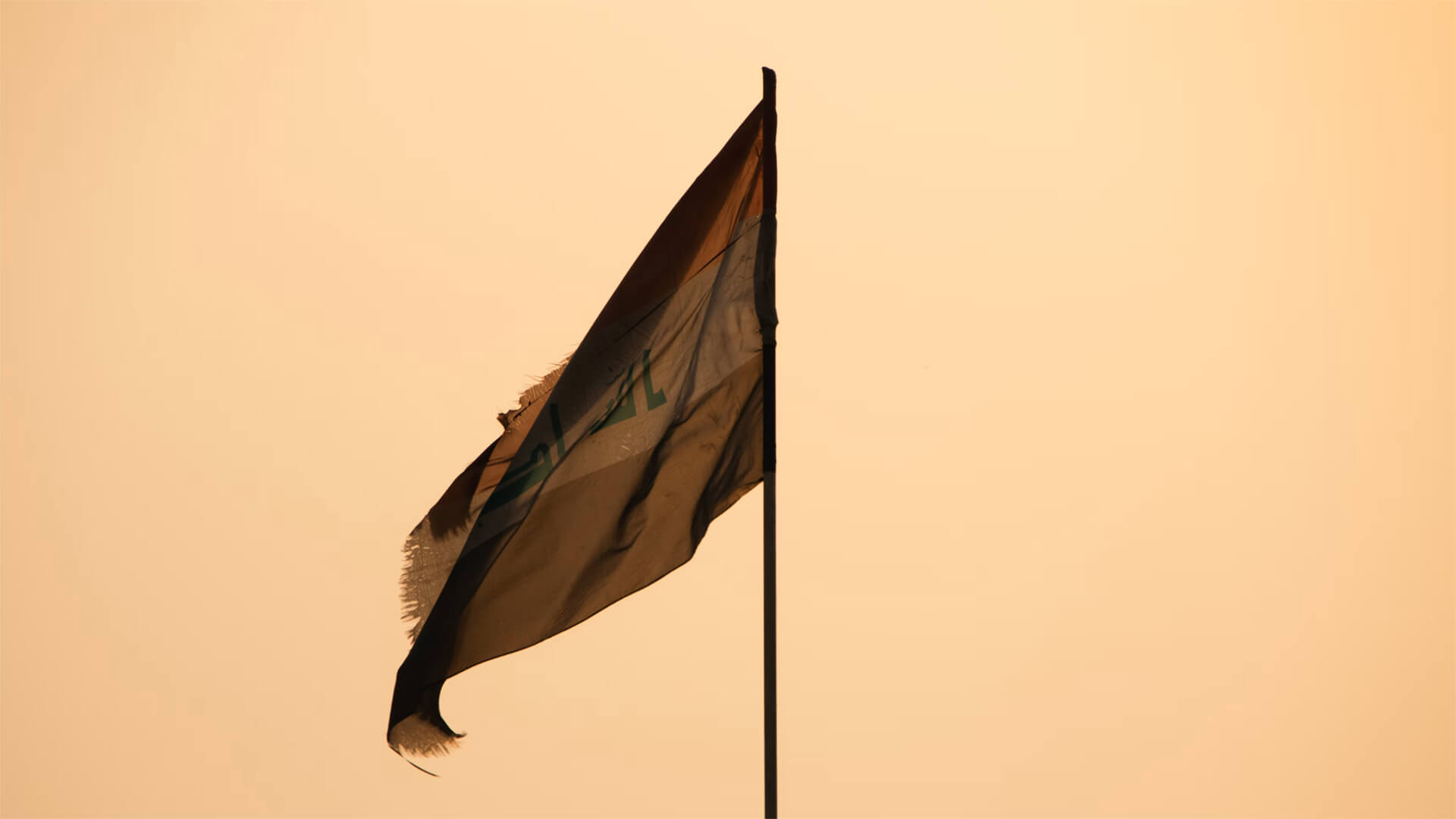
Flag of Iraq, torn and tattered against a desert sun

U.S. troops have withdrawn from Iraq, putting an end to American military presence that began following 9/11. So, what’s next for Iraq?

It’s not all sunshine and rainbows. Iraq is a deeply divided country, made up of three primary groups: the Shia Arab in the south, the Kurds in the north, and the Sunni Arab in the middle. The U.S. presence helped maintain some sort of civility between the factions, but with that gone…I suspect we won’t be looking at a flourishing era of peace.

Transcript

Hey, everybody. Peter Zeihan here, coming to you from the CN Tower in Toronto. Today is the 30th of September. You’ll probably see this tomorrow or the next day. Anyway, the United States just withdrew its final troops from Iraq. Finally, finally, finally, finally, officially ending the US war on terror that started in the aftermath of the September 11th attacks back in 2001. So 25 years ago. Last troops are finally gone. We’ve only had a few hundred there this year, mostly in the north. 

Now let’s dial back to yesteryear and remind us of what an Iraq is, and then we’ll talk about the future. So first things first. Iraq is one of those heavily artificial countries that emerged out of the detritus of colonialism in the aftermath of World War II really didn’t start to gel into the 50s. Anyway, you’ve got three regions down in the South in what is classically Mesopotamia, between the Tigris and Euphrates. You have the majority Shia population that happens to sit on top of some of the world’s largest and easiest to exploit oil fields, and those fields at peak can generate 4 to 5 million barrels per day. In the north, in the mountains, you’ve got an area called Kurdistan, Iraqi Kurdistan, which has generally been split among multiple rival families, usually two big ones and several small ones. And they sit on top of a much more difficult oil complex, but still not hard by global standards and at maximum capacity can maybe do 2, 2.5 million barrels per day. Neither of these regions have ever really performed to snuff, but at the start of the Iran war earlier this year, collectively they were doing somewhere between four and a half and five, which, after 25 years of war and before that 25 years of sanctions, is not bad. And then in the middle, you have the smallest group making up at most 20% of the population around Baghdad, and that is the religious Sunni. So Shia Arabs in the south majority, Kurds in the north a minority, but the second largest group, and then in the middle the Sunni Arabs. 

The complication they have always had is having these three different groups in three different geographies that really have very little in common is in the South. They think because they’re the most numerous group, they should be in charge, which kind of like the American Democratic Party means they split into multiple factions that are constantly at one another’s throats. The Kurds are always the persecuted group, but because they’re split by family lineages, the only way that they’ve been able to hold things together is when an external power is leveraging them, like the United States did for most of the last 25 years, and really the 25 years before that. And in the middle, you’ve got the smallest group with the least economic wherewithal, the Sunnis. And because they’re the smallest group and because they don’t have much economic wherewithal, they’ve always been the most united. Now under the Saddam Hussein regime, which ended with the Iraq war back in 2003, this region had been controlling everything. Saddam himself was a Sunni Arab, and the other two regions were either enslaved, prosecuted, genocided from time to time. It was really, really ugly set up. During the American occupation, we tended to partner with the Kurds and induce the Kurds to vote for whatever Shia prime minister we thought would do a decent job and do what we wanted. We have a new prime minister whose name I’m not even going to bother learning, because I doubt he’ll last the year. He’s 41. He has no backing from anyone except for the United States. And now the United States is gone. 

So what’s next for Iraq? Well, it’s not going to be pretty. Iran has proven that it can destabilize any of these regions. And many of the militias that are operating in the south of the country, Shia, remember, Iran itself is Shia, have proven that they can overthrow the government from time to time and serve as a launch pad for attacks into other parts of the region or the country. So, for example, you may remember a few weeks ago we had drone attacks on Saudi Arabia’s West east pipeline, the largest oil transport pipeline in the world. Those originated in the Shia portions of Iraq and without US forces now, that’s pretty much going to be the future of southern Iraq, either a bastion of Iranian power or a launch pad for whatever they want to do in the region. Further north in Kurdistan, you’ve got basically the Americans that withdrawn and taking their gear with them. So things that the Kurds haven’t had to worry about in 25 years, almost 50 years, when it comes to being attacked by outside forces, is now back on. And as much as the Arabs of Iraq don’t like the Kurds, it’s nothing compared to how the Turks think of the Kurds. See, Turkey has its own Kurdish minority and has done some fairly nasty things and even invaded neighboring countries to take care of other Kurdish minorities before, even in Iraq. But the problem I would be most concerned about is now that the region is kind of game on from a geopolitical point of view, is the Sunnis again, because last time something like this went down, where the system became kind of unmoored and the foreigners left, you eventually had a three way fight that the Sunni Arabs emerged on top, with Saddam being the guy at the top of that heap. 

I’m not saying that the next guy is going to be genocidal like Saddam was, but to think that we are now at peace in our time, well, that that would be a stretch.

Will Putin Join the Miami G20 Summit?

Putin and Trump shaking hands on the red carpet. Photo by Wikimedia Commons: http://www.kremlin.ru/events/president/news/77790/photos/82627

The Trump administration has extended an invitation to Putin to attend the G20 summit in Miami. There are several things to watch for, so let’s break it down.

First, Putin has to decide if attending the summit will result in his arrest based on outstanding warrants. Should he attend, we should keep a close eye on how the G20 members and U.S. allies respond. Last, Putin could use this opportunity to create a foreign-policy crisis to test NATO and Trump. Should make for an exciting time down in Miami.

Transcript

Hey all, Peter Zeihan here, coming to you from the home office because it’s crappy outside today. Anyway, today we’re talking about something that went down last week. On September 23rd, Secretary of State Rubio confirmed that Donald Trump had invited Vladimir Putin, the president of Russia, to Miami for the G-20 summit this fall. Oh my God. Right now, there are multiple international arrest warrants out for Vladimir Putin for his role in initiating and maintaining the war in Ukraine over these last several years. The Trump family has publicly disclosed that they own lots of property in Russia. And Trump’s son specifically have said one of the reasons why Donald Trump is so pro Russia when it comes to the Ukraine war, isn’t so much that he doesn’t like Zelensky, who is the president of Ukraine, although that is true, but because of that property. So this is a flat up, corruption play by the Trump administration 

Anyway, there’s three things to watch for here. Number one, Putin would have to accept the offer. There’s no guarantee he’s going to do that because he wants to make sure that he doesn’t get arrested. Putin has been agitating against the United States online, in person, using the tools of Russian power for the last 25 years. And that’s one of the reasons why he has never gotten along with, really, any of the presidents that we’ve had in the modern era until Trump and his personal interests get involved. And Putin has been working to try to ingratiate himself with Trump deeper and deeper. So, for example, one of Putin’s allies recently paid for one of Trump’s sons weddings because, you know, that’s apparently what you do when you’re corrupt to that level. And it’s worked. But that’s not the same as knowing that Trump, who has a reputation for being a little erratic and mercurial, isn’t going to flip the table on him based on something that happens in the moment. Now, arresting a foreign leader who is in country for a summit would be wild. We’ve never had anything like that happen, but we’ve had a lot of things that have never happened before this administration. So who knows. 

So number one, Putin has to be 100% convinced that he’s not going to be arrested at some point during a Florida trip. That’s piece one. Piece two is the effect that this would have on the Alliance. As I mentioned, there are multiple arrest warrants out for Putin. Those include, but are not limited to several of the countries who are going to be at the G20 summit, including the leaders of the United Kingdom and Germany and France and the EU structures as a whole. 

So if Putin comes, there’s the open question of whether or not these other leaders will come. Now, from a international structure point of view, I’m not really concerned about this as much. The G20 has its uses from time to time because it brings together the richest countries of the world and the largest countries in the world. So while you do have Canada and the U.K. and Japan and Germany, you also have Brazil and India and China. Anyway, point being is that these countries really don’t have a lot of common, and the last time they did anything that really mattered was during the 2007 to 2009 financial crisis. And since then, when they meet, it’s really just a talk shop. And the question is whether anything can happen beside meetings. Which brings us to the third person, one of those Senate meetings. 

If Putin does attend, it is going to be really interesting. Putin is really good at making really bold announcements quietly to a world leader, especially the American president, while Russian forces are doing something else elsewhere. So if you go back to, say, the 2004 Winter Olympics. George W Bush was in town. Putin hosted him in Sochi. And while the Olympics were going on during the opening ceremonies, Russian forces invaded the former Soviet Republic of Georgia. And there’s some wonderful footage of one of W Bush’s aides whispering the news to him. As W is sitting next to Putin in the box. If Putin does come to Florida, he would absolutely engineer a moment like that and wouldn’t be about Ukraine because Trump doesn’t care about Ukraine. It would probably be about Estonia or Latvia who are NATO members. 

There’s been plenty of evidence over the course of the last several months that the Russians are putting in some forces together that would have the option of crossing the border into these two places. And seizing control of territories that might be ethnically majority Russian but are still in the Western camp. Keep in mind that the Russian population in these two states don’t want anything to do with Russia. They haven’t for a long time. Anyway, announcing the invasion of a NATO country, while he’s sitting next to Trump and then forcing Trump to decide right then what to do about Russia, what about to do about NATO? What about to do about the allies. When Trump very clearly doesn’t have any meaningful advisors in any of those capacities? That would be a coup, but it would come with risk because you never know what Trump is going to decide anyway. 

Those are the three things to watch, whether Putin actually comes, whether the allies then basically walk away. Because at that point, the United States has basically said that we really don’t care about your defense at all. And then, number three, whether or not the Putin government would use that as an opportunity to just completely shatter the alliance completely. That’s what I’m watching for. And we will know over the next couple of months.

The Attack on Saudi’s Petroline Came From Iraq

Miniature Industrial Oil Tanks on Saudi Arabian Flag | Licensed by Envato Elements

The attack that shut down Saudi Arabia’s East-West oil pipeline (aka the Petroline) has been traced to Iranian-backed militias in Iraq.

So, the prospect of defending Saudi energy infrastructure is nothing more than a pipe dream at this point. And given the very limited interaction between Iran and the U.S., I wouldn’t expect things to improve for the Saudis anytime soon.

Transcript

Hey all, Peter Zeihan here. Coming to you from the Denver airport. Just a quick update on something that’s been going on for the last couple of weeks. If you remember last month. No. Earlier this month…busy month. The Iranian forces launched drones and struck the east west pipeline. That’s the bypass pipeline that the Saudis use, so they don’t have to use the Persian Gulf in the Strait of Hormuz. And that maximum capacity can handle 7.5 million barrels per day. Anyway, shut it down. Hit a pumping station, and it took almost three weeks to get it back online. We’ve now confirmed that the attack didn’t originate from Iran or even from Yemen, but instead from Iraq. So Iranian backed militias in Iraq are the ones who launched it from the Maysan province. Baghdad authorities confirmed that overnight, last night. And what this basically means is that there’s absolutely no way that the Saudis can protect any of their energy infrastructure, because if you’ve got attacks that can come from the South or the north or the east, that means you have to defend everything from every direction. And no one could do that. There’s also no way that you can really prevent Iraq from being used as a launch pad, as long as the political system in Iraq doesn’t settle. Remember that the United States tried to make this settle with 100,000 troops over 15 years and failed more or less completely. And all you need to do is to have a garage that can store these things with a little launcher that you can put together in a couple of hours with some basic welding skills. And that assumes that the Iranians don’t smuggle in more advanced drones. 

So if you were hoping for some return to pre-war normal when it comes to Saudi exports, you can pretty much kiss that goodbye now. It’s just a matter of time until that’s all gone. And that’s not limited to Saudi Arabia. The only other possible option is a political deal that re-regulates how oil moves and transport moves in this region that, at a minimum, requires a deal between the United States and Iran. And with the exception of a little side meeting that Secretary of State Rubio had with the Iranians when they were in town in New York for the UN General Assembly meeting last week. There have been no talks at all directly between the Americans and the Iranians and nearly three months. 

So we are yet to reach step one of ending the conflict. And if you’re in Saudi Arabia, or depending on Saudi crude, that’s probably the worst of all outcomes.

SpaceX Deploys 26 Satellites with New Starship

SpaceX rocket launching from a pad

SpaceX has completed its first (mostly) successful Starship test. The ship was able to reach orbit, deploy 26 Starlink satellites, and return home. And while there were some hiccups (engine failure on launch and reentry, as well as a crash landing) along the way, this was a step in the right direction.

Transcript

Hey, everybody. Peter Zeihan here, coming to you from Colorado. It’s crappy outside, so we’re doing this one inside. It is the 28th of September. You’re going to be seeing this on the 29th. And the news today is that we’ve had our first mostly successful test of SpaceX’s new ship, the Starship. The intent is for the Starship to be the most powerful rocket ever launched by man. That will be able to take upwards of 60 satellites for the Starlink constellation up with every individual flight. Elon Musk, who, of course, is the the guy behind this, eventually intends to do one launch a day with most of the components being assembled on site in Boca Chica at their Starbase. 

Anyway, what happened today is it went up and had engine failure on the way up, and it had engine failures on reentry. And because of the engine failures, they cut the trip short only did two orbits. So it came down less than three hours after takeoff instead of the 8 to 9 hours. That was the original plan. That doesn’t mean it’s an overall failure, because it’s still launched the satellites, and this is the first time that a Starship has actually achieved orbit. But this is a step in the direction that they need to go. This is not a proof of success because they had, I think it was three engines failing the way up and two on the way down with engine failures that they thought they had solved already. They have to, I don’t want to say go back to the drawing board, but they have to completely reiterate and modify all of the engines moving forward. So it’s probably going to be at least a couple of months before we get another meaningful test. In addition, because they didn’t get a lot of data, they don’t know about the reusability problem that they’re trying to solve. The intent is for these things to be launched from Boca Chica, to do their orbits, to drop off their satellites and then land in Boca Chica. Without having meaningful data for how long the Starship can be in orbit. They just don’t know how to proceed with that at the moment. And then finally, this was a partial test of cargo. They only launched, I think it was 28 satellites. Their intent ultimately is to do over 60 per individual launch, which is a lot. Anyway, so moderate step in the right direction. Still a lot of work to be done. 

One more thing. It blew up when they landed it in the ocean. It blew up, which is normal because they weren’t actually trying to recover it. So don’t take that as a negative. Too much of a negative.

What Happens When Fossil Water Runs Out?

Coastal shoreline with shale looking rocks in water | Photo by Envato Elements

Fossil water is ancient water trapped in deep aquifers that take millennia to recharge, rather than the standard seasonal rainfall recharge. So, once you use it…it’s gone.

For regions that have become dependent upon fossil water for agriculture, this is a big problem. The Ogallala Aquifer currently feeds western Kansas and the Texas Panhandle, but that won’t last much longer. Some areas have already run dry, and regardless of less water-intensive crops and more efficient irrigation, the aquifer’s days are numbered.

This is the least consequential aquifer we’re discussing, but even this one plays a massive role in U.S. wheat and food production.

Transcript

Hey, all. Peter Zeihan here, coming to you from, I guess, middle Slide Canyon. I’m approaching upper slide and behind me we’ve got Bath Mountain and the glory that is Slide Canyon. We are in northeast Yosemite, and hopefully we’re gonna get some sun today. Anywho, as long as I’m up here, I decided to do a video on some coming agricultural crises. 

This is going to be a short series because there’s multiple angles to this. But the first piece I want to talk about is something called fossil water. Water that is, fossil water is pulled from an aquifer that does not recharge with the normal seasonal cycles. So normally it rains, you get runoff, it seeps into the ground, goes into an underground aquifer and springs, and it recharges every season. So you can tap it, I don’t think as much as you want, but pretty heavily. Fossil water is deeper, and it’s typically in a more arid zone, and it doesn’t recharge from the surface at the same rate. So instead of recharging in weeks to months, it’s millennia. So we’re going to talk about three regions here that are affected, because all of them are going to cease to be agriculturally producing zones within the next 20 to 30 years. And based on what happens, it could really happen next year, because a lot of this is driven by stuff at the surface. 

The problem is honestly drilling for water in these zones. I mean, yes, there’s water down there. Yes, you can use it for agriculture, but you can only use it once. And so what we’ve seen in multiple parts of the world is the tapping of the zone in increasing volume. And the problem is honestly kind of legal, because if there’s a surface water dispute, there are negotiations, there are laws, there are regulations. It goes to court, there are sequestration of rights in order. And that’s primarily what’s going on in say the Colorado River basin. Not that it’s going great, but that’s probably what’s going on. But if you can just drill, then it’s just a race to the bottom of the tank. And that’s not something that can be easily regulated. So the first zone to consider is the Ogallala Aquifer in the United States, specifically in western Kansas, going down into the Texas Panhandle. Also goes up into, say, Nebraska and the Dakotas, although it’s really the southern section that’s in trouble. For the most part, we’re talking about zones that have been depleted to the degree of something like 200m. And most of these zones, if they’re not already going dry, are going to go dry within the next decade. We’ve already seen some efforts by places specifically in Kansas to shift to lower use irrigation. So instead of those big circular irrigation things that are huge water users and wasters to go to, say, drip irrigation and switching crops. 

The problem is, remember, the aquifer recharges in millennia, so switching from a high water crop to a low water crop doesn’t buy you much time and might buy them 30 to 60 years if they’re really, really lucky. And then, as we’ve already seen in a number of places in Texas, the land will just go follow because you won’t be able to grow anything there. 

This will have a big impact, because this is a zone that produces a lot of wheat that directly or indirectly feeds literally tens of millions of people, but it’s nothing compared to the other two. We’ll do that part of the video from further up the canyon.