Ukraine Starts Cracking Open the Occupied Territories

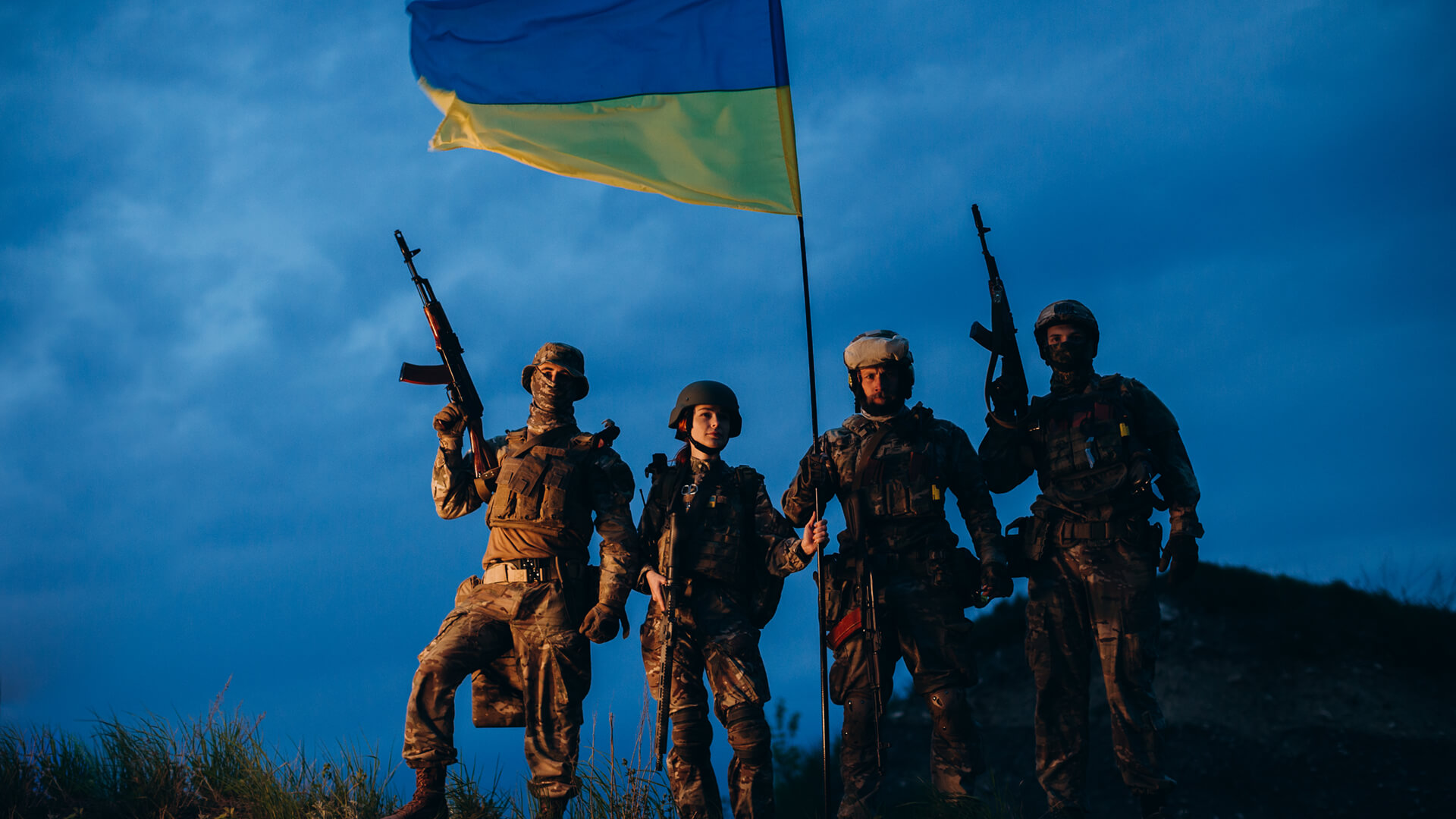
Ukrainian soldiers holding their flag against a dark sky Photo licensed by envato elements: https://app.envato.com/search/photos/1ac20b11-1fac-4c14-9452-b1e5ca99fccc?itemType=photos&term=ukraine+war

Russia’s logistical nightmare in Crimea is just beginning. With Ukrainian strikes ramping up throughout Russian-held Crimea, Russian authorities have suspended civilian fuel sales since new shipments can’t reach the peninsula.

Since many of you have asked, the Kerch Strait Bridge primarily remains open to allow civilians to leave Crimea for Russia. However, Ukraine’s broader strategy for Crimea is to systematically destroy the infrastructure needed to supply it. And with the new drone supplies and capabilities, this is very plausible.

Much of the territory Russia has occupied since 2014 has become increasingly difficult to supply, and without effective countermeasures, Russia’s strategic position is steadily weakening. This isn’t a done deal, but the momentum is shifting in Ukraine’s favor.

Source link: https://arcg.is/09O0OS

Transcript

Hey all, Peter Zeihan here, coming to you from Colorado. Today is the 21st of June. And the new news is that in Russian occupied territory in Crimea, in southern Ukraine, Russian authorities have suspended all fuel purchases for all civilians, whether it’s personal cars or businesses. Short version is that the Ukrainians have now deployed enough drones reliably, enough that can target things like fuel trucks, that there is no more fuel coming in. 

The Russian Navy has long since abandoned the province, and everything has to come in by rail. And those rail bridges have now been damaged or truck. And now the Ukrainians patrolling with dozens of drones at a time over the territory and basically hitting the drugs before they can get anywhere close. So we basically have whatever little fuel is left being hoarded by the military. 

And the only reason that the Kurt Strait Bridge remains operational, that’s a that’s a bridge that comes from Russia proper over straight at the Sea of Azov into Crimea, is so that civilians in Crimea can flee to Russia. It’s not that the Ukrainians are planning a final push or anything to take over the territory, but they have systematically damaged all of the infrastructure that allows the Russians to supply Crimea. 

And as big of a deal as that is, and it is, and there will be more of it in the future. It’s just the first start of a broader Ukrainian offensive. Most of these attacks are coming from places like Kherson, which are just on the other side of the Dnieper River. But there are a couple of towns further up Nikopol and Dnipro, where the Ukrainians are starting to launch attacks as well, not interrupting logistics going to Crimea, per say, but logistics going to other parts of the occupied territories. 

Keep in mind, in the early days of the war, the Russians came in from the north, the east and the south and Crimeans in the south. The stuff in the north was eventually purged. It’s the stuff in the east that is now in question and in the southeast, because we have multiple provinces, that includes Donetsk and Luhansk that are hard up on the Russian border, and that provides a lot of backstop for the Russians. 

Ukrainians can’t dislodge those further. But as you move south and along the coast by cities like Mariposa and Meteor Pol, that does not apply. They can only be supplied by road or rail, just like Crimea or by sea, just like Crimea. And the sea link has already effectively been cut, and the Ukrainians have already been going aggressively after the ports in that region. 

And so the next stop is to do basically what they’ve done to Crimea, further to the northeast and east and east and east, until they get hard up to the Russian border, or at least into the Donetsk region, where the Russians have a few more geographic advantages. Basically, what we’re looking at here is roughly two thirds of the territory that the Russians have captured since the first war, going back to 2014, is now becoming a sandbag that the Russians cannot reliably resupply. 

And while Crimea might be the literal bridge too far because it’s just too far away, you can imagine a situation where the Russians lose access to that entire southern zone, or the ability to supply it, and the Ukrainians start crossing the river, or coming across at, say, Dnipro further north, and punching through and basically excising the Russians from the entire area. 

Not suggesting it. It’ll be quick, not suggesting to be easy. There’s still lots of minefields and this is still Russia we’re talking about here. But the balance of forces in this entire region is now shift. And the question isn’t will the Russian strategic position collapse? It’s how and what will the Russians do in reaction to that? There’s still a lot of options in the table. 

There’s still a lot of ways where this can go horribly, horribly wrong. But the Russians have yet to come up with a way to counter the Ukrainian memory drones that are capable of selecting their own targets, which makes them. And now that those are being produced in the hundreds per day, the Russian position across the entire southern parts of the occupied territories is really falling apart.
Nukes for All! (But Finland First)

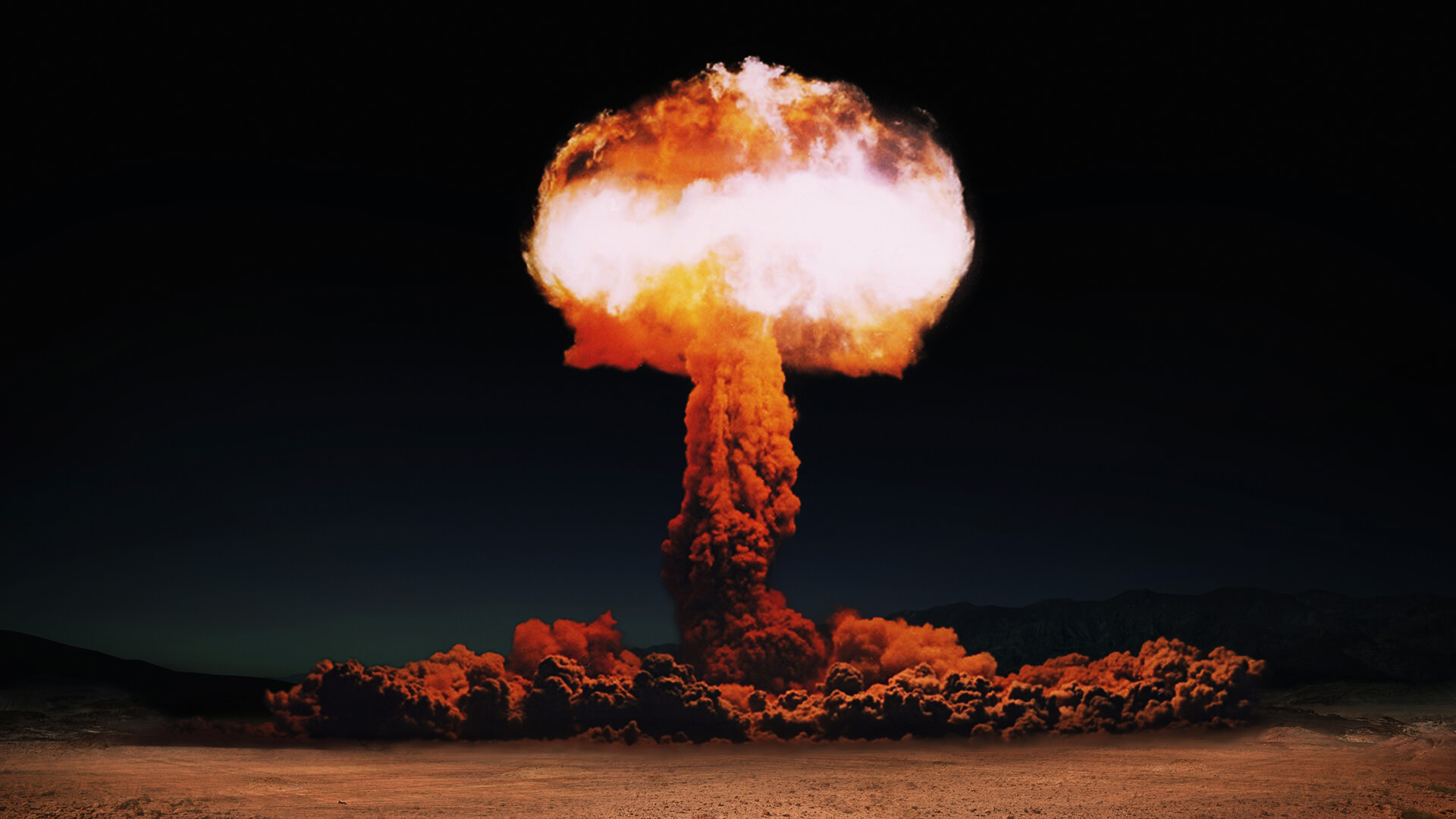
nuclear bomb with a mushroom in the desert

Finland knows all too well what a confrontation with Russia would mean. So, the Finns are preparing…

As traditional security guarantees begin to fall apart (i.e., the U.S. signaling reduced willingness to provide military support in future European conflicts), it won’t just be Finland looking for a nuclear deterrent. Other countries near Russia will likely follow suit, and then nations in East Asia will jump on the train, and then everyone will have nukes!

Transcript

Hey everybody. Peter Zeihan here. No fancy backdrop today. Sorry. The news we need to discuss happened last week on the 18th of June. And it’s that the finished parliament, with a two thirds majority, voted to basically legalized nukes. The transport of them, the storage of them and the production of them. Finland has always been in a difficult position vis AV1 country, Russia. 

They only have a few million people in Finland. They’re all concentrated basically on the southern coast and in and around the capital of Helsinki. They’ve always faced down the Russians, who outnumber them in any meaningful fight, several to one. The last big fight was the Winter War of 1942 1941, where in some of the battles, the Finns inflicted 40 to 1 casualty ratios on the Russians, which is crazy. 

But eventually they knew they would have to suffer some sort of peace deal, and in the peace deal, they gave up territory where almost a quarter of their population lived. There is no version of any future in which Russia exists, where another war is not inevitable. And when the Ukraine war started back in 2022, the current phase of the Ukraine war started back in 2022. 

Sorry, the Finns knew that eventually that fight was going to be coming for them from the Russian point of view. There is no version of their western periphery that doesn’t include, among other things, a big chunk of Poland, all of Estonia, Latvia, Lithuania, and another big chunk of Finland 

The Russians feel they need to occupy all of that in order to have a better cordon in a defensive manner. That’s great for the Russians, but it’s bad if you happen to live in Poland, Estonia, Latvia, Lithuania or Finland. And so the fins are rearming and they’re getting ready for that fight. And they know at the end of the day, there is no guarantee that they can win. Because just like the Winter War in 1940 and 1941, they are massively outnumbered, even if they can get allies to come to their aid. 

Well, in just the last week, the United States said that if there is a war with the Russians, they’re not sending any appreciable hardware to assist. And that absolutely colored the decision making in Finland. So the Finns will not simply be hosting somebody else’s nukes, they’re going to develop their own deterrent, and they will not be alone, because the Finns aren’t the only ones in this situation. 

We’re also going to see nuclear programs expanding in Sweden and Poland and Germany and Romania, all countries that already have the technical skills necessary to make a nuclear program a reality. We’re also probably going to see something like this in East Asia, where the United States is equally odd these days, and that means you should expect to see meaningful nuclear programs in Japan, in Korea, South Korea and Taiwan as well. 

The only way you can convince the Finns and the Japanese and the rest that this is not necessary, is for a robust multilateral alliance guaranteed by the United States. But that is exactly the circumstances that the Trump administration is unraveling. So instead, we’re going to get at least another half a dozen nuclear powers in the broader world.

The End of NATO

Flag of NATO

The Trump administration has said that it is now policy to not send meaningful reinforcements to Europe in case of a military conflict. Most notably, super carriers, carrier aviation, extra fighter jets, aerial refueling, airlift capacity, air defense, and precision munitions. 

It guarantees a divergence in training, doctrine, and the ability of the various countries of the alliance to function as a unit. For all intents and purposes, NATO is now gone.

Transcript

Hey all, Peter Zeihan here, coming to you from Colorado. Today we’re talking about NATO, specifically. The US Defense Secretary, Pete Hegseth, just changed the mechanics of what the United States might send to might send to NATO in case of a military emergency. You know, a war and the short version is very, very little. No carriers, no carrier aircraft, no precision munitions, no logistical supply, limited satellite support.

In essence, Hegseth says that the United States wants to operate as if a war with China would happen at any time and any assets that we might need to fight. China can never be deployed anywhere else. That’s the official statement. The unofficial statement is after the Iran war, the United States has lost the capability to even pretend to fight more than one war at a time, and the one war that it would fight.

If you’ve chosen to preposition everything for China and China only means that you really can’t intervene anywhere else. We had talked earlier about how the way the Trump administration fought the Iran war would basically excise its power from the Eastern hemisphere. We are seeing that in real time now. And politically, the Trump administration has made the decision that Europe is on its own.

So where does this take us? Well, number one, it means that the US alliance, the NATO alliance might still exist on paper. But if the United States is already saying before conflict even begins it, very little and certainly none of the assets that the Europeans don’t have are coming. That’s that’s pretty much the end of things. The plan for NATO going back to 1949 has been that the United States will develop certain broad area competencies, and then the Europeans won’t.

And we did that in order to make sure that the Europeans were always dependent upon us. And in the case of a fight, we would command all of their militaries. That has now ended. So the United States just lost force projection in Europe. And as the Europeans now retool to do what they can, we’re going to lose interoperability.

You see, the issue is that the United States weapons systems are designed for very, very long range and then durability upon arrival. But that’s not the sort of fight that the Europeans would ever find themselves in. So the Europeans have purchased American weapon systems in order to maintain interoperability with the country that will ultimately be commanding their troops in a hot fight.

If those forces if the American forces are not coming, there’s no point in maintaining interoperability. And if you play that forward into a world where drones are up and rising, the Europeans don’t have the 1015 years it would be necessary to build an American style force with American style weapons that can’t be built that fast. So they’re going to be doing Ukrainian style weapons that can be built in weeks to months, probably backstopped by a multi-state nuclear deterrent.

How that is managed? TBD, which means that in as little as a year from now, the European and the American militaries are not going to be interoperable anymore. And if they do decide, for whatever reason, to operate side by side, they’ll be doing so with different command structures and different doctrine, which means that now, in addition to the political decision in Washington to end the alliance, the Europeans are going to be forced to make procurement decisions that would functionally end the alliance anyway.

So NATO had a great run. We are now entering the great unknown of strategic breakdown and realignment, and the Trump administration has made sure that Europe and the United States are in opposite sides of that.

The Future of Drone Tech: Russian Scale

Photo of a military drone

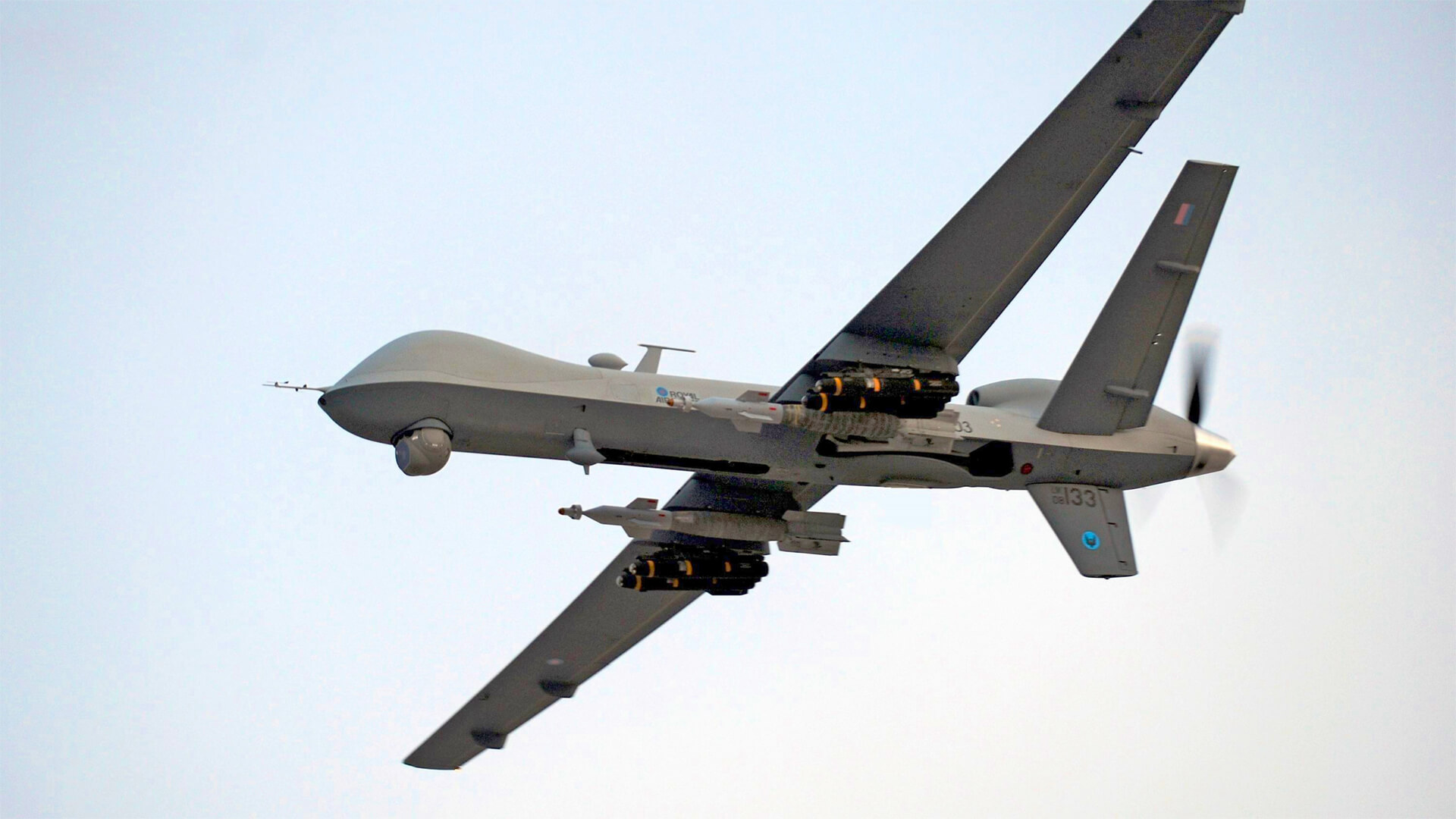
While Ukraine has dominated drone innovation, Russia’s been able to mass-produce proven drone systems at a scale that Ukraine cannot match. The Russians have also been incrementally improving their drone tech.

Russia has been replacing propellers with jet engines and equipping certain drones with air-to-air missiles. So, despite Ukraine’s advantage on the innovation side, the Russians aren’t getting left in the dust.

Up to this point, both sides of the conflict have been able to draw on their strengths to adapt to the new tactics and tech that hit the battlefield.

Transcript

Hey everybody. Peter Zeihan here, coming to you from Colorado. Today, we’re doing another episode in our ongoing series on evolving drone technologies. And today we are specifically looking at the Russians. Most of the breakthroughs that we have seen that have reshaped the battlefield in the Ukraine war since March have been Ukrainian longer range, better targeting, faster assembly, mass manufacturing. Go go go go go go. 

But it’s not like the Russians have just been sitting there. Yes, yes, yes. Most of their parts are coming from the Chinese system and they’re just being assembled in Russia. But that doesn’t mean that the Russians don’t have a military industrial complex. In fact, still today, they easily have the third most powerful one in the world, legacy of the Soviet system, with a few things that have been added here and there. 

But when the Russians really shine, it’s when they take a proven technology and then apply it to a new platform and mass manufacture it. And we are now in the early stages of seeing that with what used to be called the shards. Those are the the dumb drones that they originally brought in from Iran. They now call them Garin if they’re made in Russia, Iran, and we’re now into the third and even the fourth generation. 

And the single biggest difference is that the Russians are taking the propeller off as method of propulsion and slapping on a jet engine. So the original shards travel at about 100 miles an hour, maybe 120 if they’re pretty zippy. The new ones coming out of Russia are traveling at pushing 400 miles an hour. So that’s problem number one, because there just aren’t very many interceptors that the Ukrainians have access to that can catch one of these drones. 

Usually what happens is you fire a bunch of interceptors and anything that doesn’t hit on the first pass as the penetrate turns around and chases it, that doesn’t work when your interceptor can’t catch up. And with the Garin four starting to come online now, we’re seeing more and more of these relatively cheap drones punching through air defenses because you only get one shot. 

That’s problem number one. Problem number two is as much advances as the Ukrainians have made in interception and long range strike. They still just don’t have control of their own airspace. Yes, they’ve got decent anti-aircraft capabilities. And yes, that has kept the Russians at arm’s length, where they launch glide bombs, then take 20 miles to glide down, hit their target. 

But the Ukrainians have lacked the ability so far to impose a degree of air superiority that would allow them to actually go after where the fighter jets are. So their solution has been longer range, bigger payloads go after the bases that these things launch from. That’s been working, but it’s not enough. 

And now the Russians are about to do something else. They have started putting something called an AR 60. That’s an infrared driven anti-aircraft missile on top of a Garand, and then sending that in so it doesn’t go as fast as, say, a MiG would go into a thousand miles an hour roughly. So the drones are going about half that speed, but then they launch an anti-air missile. 

So any F-16s or Griffins or Rafael’s or any other vessels, any other aircraft that the Ukrainians actually are able to get in the sky are going to start facing wave after wave of cheap, disposable drone firing a single missile. About the only good news news is that the missile itself weighs enough that that Garand cannot then also carry a warhead. 

So it’s just a one shot deal, not a two shot deal. But you throw a few dozen of those on the front every day, and it’s almost impossible for the Ukrainians to get anything up in the air, much less provide any sort of screen, much less project power into Russian territory to prevent those glide bombs from coming. 

So, yes, most of the breakthroughs, most of the changes, most of this really impressive stuff that we’ve seen in the last three months has been from Ukraine. It has been hurting Russia. It has been causing a lot of damage. But it doesn’t mean that the Russians are just lying there. They’ve basically taken steps to ensure that they can still hit nearly any target they want in Ukraine. 

They just have to send a few more of these jet powered drones after it. And there is no way that Ukrainians are anywhere close, getting any degree of control over their airspace. And as long as that happens, then if they do, the Ukrainians do manage to launch a ground assault, they’re going to be doing so under a hail of glide bombs, because they can’t really do much about it.

France and Germany’s Fighter Jet Program (FCAS) Is Dead

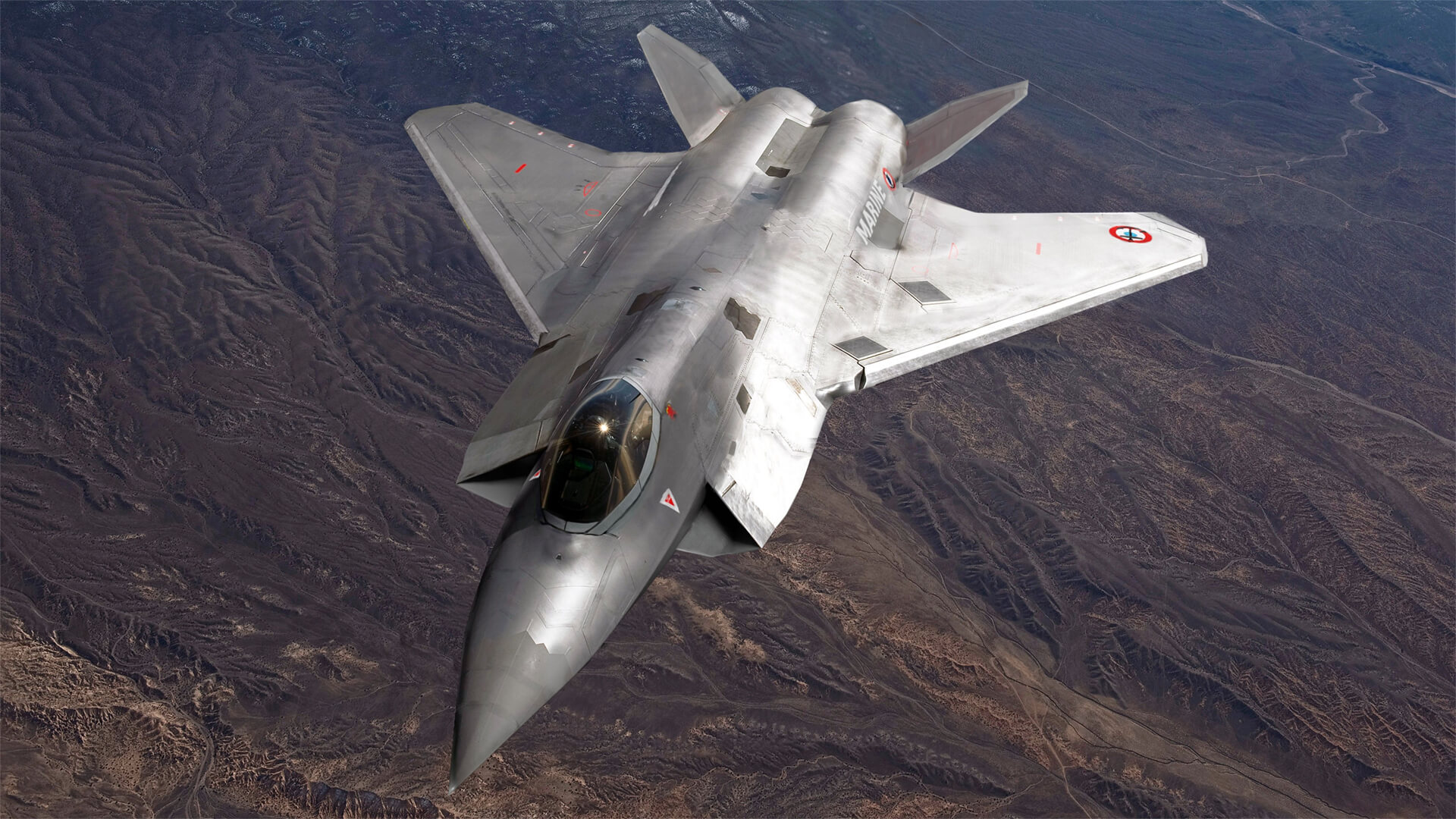
Artist's illustration of the FCAS aircraft in flight, after the project as of 2022 | Photo by Wikimeda Commons: https://en.wikipedia.org/wiki/Future_Combat_Air_System#/media/File:SCAF_NGF-523616-P-BEF36-987.jpg

The joint French and German Future Combat Air System (FCAS), a next-generation fighter jet project, has collapsed. Between conflicting national priorities and countless disagreements, the two countries opted to abandon the project.

Transcript

Hey everybody. Peter Zeihan here, coming to you from Colorado. The news is that in early June, the Germans and the French abandoned their effort to build a joint new fighter program. Fifth generation. It’s called the FCS Future Combat Air System. They started working on this, I believe, nine years ago, and it hasn’t gone far. The very short version is that you’ve got a company or a country like France that is very into state control of certain specific types of economic activities and security activities. 

And the Germans, who are really good at producing things at scale. It was always going to lead to a bit of a friction. In fact, the Dassault CEO dissolved, being the French aerospace company said, you know, I don’t know why everyone thinks that we might need to work with the Germans, build a fighter jet. We already have the Rafael, which is one of the world’s best fourth generation fighter jets, which is true. 

Anyway, they couldn’t decide what to build, where and how to do it. There are some fun stories with Airbus about how they had to build specific kinds of barges to transport wings from one facility in Germany to another facility in Spain, to a third facility in England. It was stupid. 

Anyway, doing high and avionics is difficult and expensive and there’s a lot of pieces, but if you have it spread among multiple companies, it becomes a real disaster. 

Anyway, they ultimately decided to pull the plug on it last week. Two things that come from this. Number one, this really does put the Europeans behind when it comes to developing a fifth generation fighter jet. Right now, the only real option is the USSf 35, which is not a good match for a number of reasons, most notably range. 

And that’s before you consider that the American government, from the European point of view, has really gone off the reservation and has become, if anything, more of a security threat than a guarantor. Put that to the side for the moment. This suggests, with the possible exception of the next generation of Swedish Griffon or the next generation of French Rafael, there really isn’t going to be an indigenous European fifth generation jet. 

And that’s either good or bad based who you’re talking to. So much has changed in the world of defense technology with drones in just the last six months, that it’s unclear whether a fifth generation jet is really worth the cost anymore. So yes, this is bad for European integration. Yes, this is bad. If your goal is to have a fifth generation jet at all costs. 

But let’s consider the second issue here. If Germany is ever going to be an independent power, it has to have a completely indigenous defense industry. And if this latest operation with the French has now failed, that’s not going to happen soon. Or at least it’s not going to happen with the conventional technologies that we understand. And if the Germans can’t build their own fighter jet, even in partnership with the French, well, then anyone who has a strong air force can prevent the Germans from getting to uppity. 

Countries that fall into that category include, are not limited to France, Poland, Sweden, the United Kingdom and Italy. So one of my concerns as the globalization gives away, as populism rises and the supply chains breaks, is that the most powerful economic country in Europe? Germany will eventually become the most powerful military in Europe and start to act like a powerful country with a powerful military. 

And every time that’s happened in the past, things have kind of gotten spicy in Europe. Well, if they don’t have an air force that has functional independence, that can only go so far. So it doesn’t mean that Germany is immune to the political ebb and flow that we’re seeing all over the world as a result around economic nationalism, populism. 

They certainly still are vulnerable to that. And their political system at the moment is deeply fractured and has a lot of unsavory characters in it. But if they can’t act on it effectively, then all of a sudden I sleep a little bit better. Keep in mind that Germany is in the heart of Europe. 

There is no version of a strong Germany that insists in such a way that the neighbors it has are not concerned. But if we can have an economically viable Germany without power projection, that’s a very different discussion. And now, for once, it seems that we’re moving in that direction. 

So I applaud this decision, mostly because it helps me sleep a little bit better.

Will Ukraine Make a Play on Crimea?

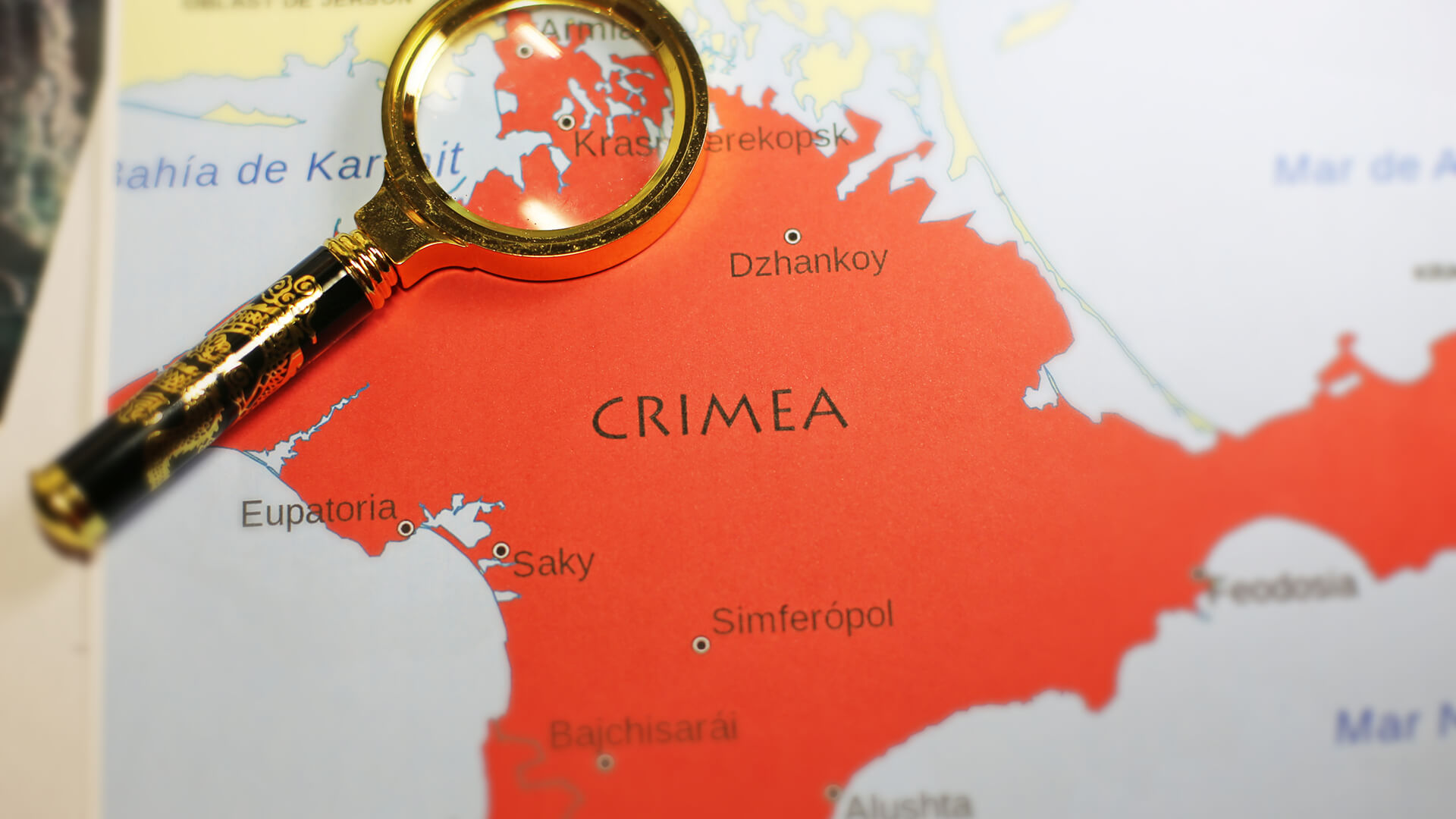
A magnifying glass on a map of Crimea | Licensed by Envato Elements

Crimea has become one of the most important fronts in the war in Ukraine. Both the Russians and Ukrainians see Crimea as strategically essential, and neither side is willing to let it go.

Ukraine isn’t quite ready to reclaim Crimea yet, but they are making it as difficult as possible for the Russians to continue operations there. From continuous strikes targeting transportation checkpoints, Ukraine has forced Russian convoys onto predictable routes where drones and artillery can more easily attack.

Transcript

Hey everybody. Peter Zeihan here. Coming to you from Colorado. Today is the 12th of June, and we’re going to take a look at what’s going on in the Ukraine war, specifically on the Crimean front. Now, the Crimean peninsula is a chunk of territory that juts out into the Black Sea, about midway down the Ukrainian coast. 

Historically speaking, it’s been a strong Russian outpost and one of the few places where the Russians have been able to project naval power. 

But during Soviet times, Khrushchev, who was Ukrainian, transferred the Crimea peninsula to the Ukrainian unit of the Soviet Union, which is something that pissed off all the Russians. And the Russians have been wanting it back ever since, especially in the post-Cold War environment. Well, in 2014, in the first phase of the Ukrainian war, the Russians did manage to capture it and have been using it as a military springboard to attack southern Ukraine ever since. 

The issue for the Ukrainians is that the very definition of Ukraine is the Dnieper River, which flows down through Kyiv and enters the Black Sea of the vicinity of the Crimean Peninsula. So if you control Crimea, you can threaten that opening as well as Odessa, which is, for all practical purposes, Ukraine’s second city in its window on the world. 

So there is no version of a Russia that fails to get Crimean, has any sort of naval strength or power in the Black Sea. And for Ukraine, there is no version of Ukraine in which it doesn’t control the Crimean peninsula, or can have any sort of economic integration with the rest of the world in a meaningful way. So it really is one or the other. 

Anyway, at the moment the Russians are controlling it, but at the moment the Ukrainians new drones, which have better range and better targeting, the ability to even themselves, have been pummeling all of the logistical lines that supply the Crimean peninsula. There’s really only two sorts of routes. In one is the Crimean bridge over the strait, which has been hit enough that it can’t handle large vehicles or trains, just light traffic. 

Or you can come on land through southern Ukraine in occupied territory, hugging the coast of the Black Sea, and then go into a series of bridges that cross into the peninsula. That way, at its narrowest point, the connection is only about nine kilometers wide. 

And so, while there are a number of routes through those nine kilometers, none of them are great. With all the new drones, though, Ukraine now has the range to hit all of those bridges, and in the last few days they’ve been hitting all of them almost at the same time. And so we’ve seen sustained pressure by the Ukrainians on the entire logistical system that allows Crimea to function. And remember that now, naval drones are a big thing in the Black Sea. 

So the Russians have evacuated most of their naval forces from Crimea and can no longer reliably supply the peninsula that I see. So everything has to come by truck or by train. And now that entire backup transport system has been put under huge threat. So what we’re seeing is fuel shortages, ammo shortages and manpower shortages in Crimea and large scale the end of Crimea as a military springboard to attack southern Ukraine, because they just can’t get the gear and the material that they need. 

Now, does this mean that a Ukrainian attack on crime is imminent? No. There’s still the very real issue of this transport problem working both ways. If the Ukrainians decided to surge across. They’d first have to cross the Dnieper, get into occupied southern Ukraine, and then go to Crimea. What the Ukrainians are doing is making it so that Crimea is a strategic loss for the Russians, and a drain on the resources, rather than anything that can gain that, that they can take over themselves. 

And that seems to be working very well. I just don’t want to oversell this. Yes, the Kerch Strait, for all practical purposes, is out of commission from a military point of view. Just can’t handle the cargo. But all of these bridges north south that go from Ukraine proper into Crimea, a little different. Most of them are not going over large bodies of water that are deep. 

Some of them are like rail bed and you can’t really blow up a rail bed. Others are crossing dikes that separate some of the marshes and the saltwater lakes that dot its area so they can attack the road bed, and in doing so, put in a crater that makes it so that has to be repaired. But those repairs can take just a week or two and a real problem. 

The real issue of what the Ukrainians are after here is to try to destroy as many of the crossing points that are close to Crimea, especially in the eastern part of the isthmus, as they can to force the Russians to go further north and route around the entire area and come into the peninsula from the west, where the infrastructure is more difficult to destroy, because if they can do that, then the Russians are bringing their forces far enough north that the Ukrainians can attack them with more conventional weapons like, say, artillery. 

And anything that slows down the trucks makes it that much easier for a drone to hit it. Keep in mind we now have memory drones hunting at volume in Russian occupied territories of Ukraine where Ukrainians can get a drone into the general area and then release it, and the drone will pick its own target and fly in and hit the target. 

And jamming no longer works. And so for the first time of the war, we’re seeing the Russians large scale about abandoning their attempts to resupply Crimea. But they have to run a gantlet every single time. And if the Ukrainians put up giant pothole in the middle of the bridge, all of a sudden the 50 odd trucks that were about to cross it have to stop. 

And if you’re a drone hunter, that’s exactly the sort of environment that you want. So we’re seeing a sort of highway of death situation. If you remember Desert Storm from 92 getting set up here, where it’s probably only a matter of time, where until the Ukrainians are able to basically bottle up a series of Russian convoys in areas where they can’t really maneuver and then just wipe out the whole thing. 

You do that a few times, and the entire Russian logistical effort for the southern front crumbles. Keep in mind that two years ago, the Russians had almost run out of military supply trucks, and if not for huge shipments from China, they would have. Now we’re in a situation where the Ukrainians have set up kill zones, where they’re probably going to be able to wipe out those supply trucks faster than the Chinese can make them. 

And that is a serious volume issue that the Russians are going to have a hard time dealing with.

We Have a Peace Deal! Sort of…

Flags of the United States and Iran blending. Licensed by Envato Elements

It looks like we finally have a peace deal between Iran and the U.S. (and maybe Israel). Neither side can agree on the terms, so it’s really more of a tentative agreement to stop shooting at each other…at least for now.

Transcript

Hey everybody. Peter Zeihan here, coming to you from the San Luis Valley in southern Colorado. I’m on my way to New Mexico, and I just heard on the radio that we have a peace deal between the United States and Iran. So I went till I get a blip of data and. Yeah, no we don’t. Okay, let me outline the five big things that supposedly there’s agreement not agreement on. 

Number one, the Strait of Hormuz itself, the idea both sides say that it’s going to be open. The Americans say there’s going to be no charge whatsoever for anyone passing through. Iran is confirmed that there will not be tolls. There will be a service fee that is higher than the tolls they’ve been charging. So air. Number two, Israel’s included, according to the Iranians, and not included according to the United States. 

In fact, in the time it took me to get my blip, the Israelis have carried out several strikes throughout the country. 

number three, the nuclear program. The United States has said that the Iranians will close the entire thing down, and that all the enriched uranium in the country will be removed and spun down to what you would use for power, fuel. 

The Iranians have said no, not even remotely. It’s never leaving the country. We might spin it down to 30% enrichment. By the way, you need 95% for a bomb and only 3.5% for nuclear power. But that’s it, then. Sanctions. Iran says that they’re all lifted immediately in the United States. This says they’ll be lifted in stages, with the first phase being lifted maybe in 60 days, assuming the Iranians behave. 

And then, number five, restitution. The Iranians say that the Americans have agreed to $300 billion of investment to compensate for launching the war. The Americans made no mention of that. The Iranians also said that $25 billion of frozen assets will be freed immediately. And the United States has said, you know, in bits and pieces over the next decade, maybe. 

Why so far apart? I mean, actually, these positions are further apart than we were back in February, the day before the war started. The key thing to remember about all of this is number one. The Iranians are always bastards when it comes to negotiating. Everyone has been trying to hold talks with them in some form for over 40 years. 

And so the idea that this time it was going to be quick, please. Second, there’s not a single American involved in these talks. It’s not just that we have a Pakistani field marshal doing the negotiating. It’s being moderated by Qatar and Saudis. However, the United States does not have an ambassador in Pakistan or Saudi Arabia or gutter or Kuwait for that matter. 

So everything is happening like a game of telephone, three steps removed from any American. And then the State Department isn’t involved because there are no ambassadors. So it’s not a surprise to me that this isn’t going anywhere. What’s the surprise to me is that anyone else thinks it might be going somewhere. Markets, of course, have exploded and all is down, but there’s no reason to think that this is going to be any different. 

If you just need something to underline that, the documents will be signed in Switzerland on Friday remotely, the Americans and the Iranians can’t be bothered to show up. So no, this is not the end. All they’ve agreed is they would prefer to stop shooting at one another. We’ll see how long that lasts.

DHS Gets Funding… A Lot of Funding

DHS building in Washington DC | Photo by Wikimedia COmmons: https://en.wikipedia.org/wiki/United_States_Department_of_Homeland_Security#/media/File:DHS_St_Elizabeth's_Building_1.jpg

ICE and DHS just got approved for a new funding package that expands resources for immigration enforcement and border security. My primary concern is the economic impact of this new funding, rather than the politics of it all.

The U.S. workforce is already under immense demographic pressure, and introducing stricter immigration policies will only worsen labor shortages (especially in sectors that are heavily reliant on immigrant workers). This means higher costs, reduced service levels, and baked-in inflation for the remainder of the decade.

The political side is concerning as well, but Trump’s attempts to limit congressional leverage are nothing new. Just another signal that U.S. power dynamics and party structures are in flux, as more decision-making power is falling into the hands of the executive branch.

Transcript

Hey all, Peter Zeihan here. Coming to you from Colorado. Today is the 11th of June, and the news is that the US House of Representatives has given final approval to the new Department of Homeland Security budget. What can I say about this? It will go to the president’s desk. Now. He’s expected to sign it. It includes within it a rough quadrupling of funding for immigration, Customs Enforcement and border control. 

That’s on top of the $75 billion that was part of the big, beautiful bill from last year. And this is for an agency that normally has a total budget of about $10 billion. So over the four year term, this is about a quadrupling of the budget. Now, lots of people are going to say lots of things about immigration and human rights and thuggery in general. 

I’m going to leave those topics to them. Not that they’re pointless, but they’re just not mine. I want to hit this from the point of view where everyone is going to feel it. The United States now is seeing more of its population dying than being born, and the largest generation in American history. The baby boomers are mostly retired, and by the end of this decade, they will all be retired. 

Which means that if you want a growing labor market and the growing economy that goes with it, you need to get the people from somewhere other than natural birth. And the only option until we have cloning, like really good cloning, is immigration. And with this sort of system, at least for the rest of this decade, that’s functionally impossible. 

So that means that every pressure you’re feeling in the economy on the affordability question is about to get significantly worse, because there just isn’t going to be enough people to make everything function. Industries that’ll be hurt hardest. Our agriculture services and health care and construction. Those are the places where people who are not born in the United States tend to carry a disproportionate load. 

So for those of you who are older, look forward to spending lots of long hours and hospitals in a bedpan that hasn’t been changed. For those of you who like to move into new homes, get used to those being significantly more expensive because we won’t have the labor to build them. And for those of you who are used to going to things like restaurants, expect those tables to not turn around because there’s nobody cleaning the dishes. 

And in agriculture, we’ll still be able to do row crop pretty well. But as you get into, say, meats where people are, the animals have to be herded. That’s usually done by immigrant later. And when you’re dealing with fruits and vegetables, where that has to be handpicked immigrant labor as well. So everything gets more expensive on a secular basis now. 

And even if the day Donald Trump leaves office or this term ends and Ice is more reformed, if that’s the right term, and all of a sudden immigration picks back up to something that’s closer to the half century average, it will take another ten years for that to feed into the system. So we are guaranteed now to have significantly higher inflation than we needed to. 

That’s piece one. Piece two is that this is not an annual budget. This is a budget that is designed to fund these agencies through the remainder of Trump’s term, outside of the normal budgeting process. Now, under normal circumstances, Congress would never agree to this because that takes all of the power away from Congress. Congress has the power of the purse, the House specifically, and transfers it to the executive for the remainder of the term by the time Trump signs this, it’ll be codified into law. A couple things from that. Number one, the executive now has full authority to use this however he wants. Congressional check is gone. We’ve been talking on and off for the last few years about how the United States is going through a political transition, with both the Republican and the Democratic Party basically breaking down. 

This basically completes that process for the Republican Party. Trump has ejected a number of high ranking senators and House members via primaries. They’ll be gone in November, and the number that remain are going to be so isolated that they really can’t do anything. They’ve had this last stand, this last two weeks, where they’ve stood up to Trump on a number of issues, and now that is effectively over because they’ve lost their leverage. 

That means that the Republican Party is gone. It’s no longer the party of business or national security or rule of law, certainly not a fiscal conservatism. And this will accelerate what’s next, because we’re not going to have several years of the political right in the United States being completely nonfunctional outside of the person of Donald Trump personally, from a Democratic point of view, from an organizational point of view, this is generally pretty bad. 

It also means that whatever his whim is, is now state policy. And there are really no checks in the congressional branch of government. And so we’ve been seeing these cavalcade and compounding mistakes by Trump, whether it’s in negotiations with Iran or with Russia or domestic regulation or with the tariff policies. All of that is going to accelerate now, because the last of the folks who might have provided some ballast are gone now. 

And this law means that he doesn’t even have to consult anybody. Which means it really doesn’t matter to me what happens in the midterms. Because Trump has barely gone to Congress at all in his first year and a half in office. And now that he’s gutted what’s left of the Republican Party, and even if the Democrats managed to retake both houses of Congress, why would he go to Congress again when the priorities he has have already been funded for the rest of this term? The only way you could change that is if Congress decided to rescind this funding. But that would have to overcome a presidential veto, which requires a two thirds majority. 

So that’s just not going to happen. So all hail the King. He’s got what he needs to do, whatever he wants on the issues that he cares about as long as he’s alive or in office. And yes, there is some gray area between those two.

Screwworms Take a Bite Out of Texas’ Beef Industry

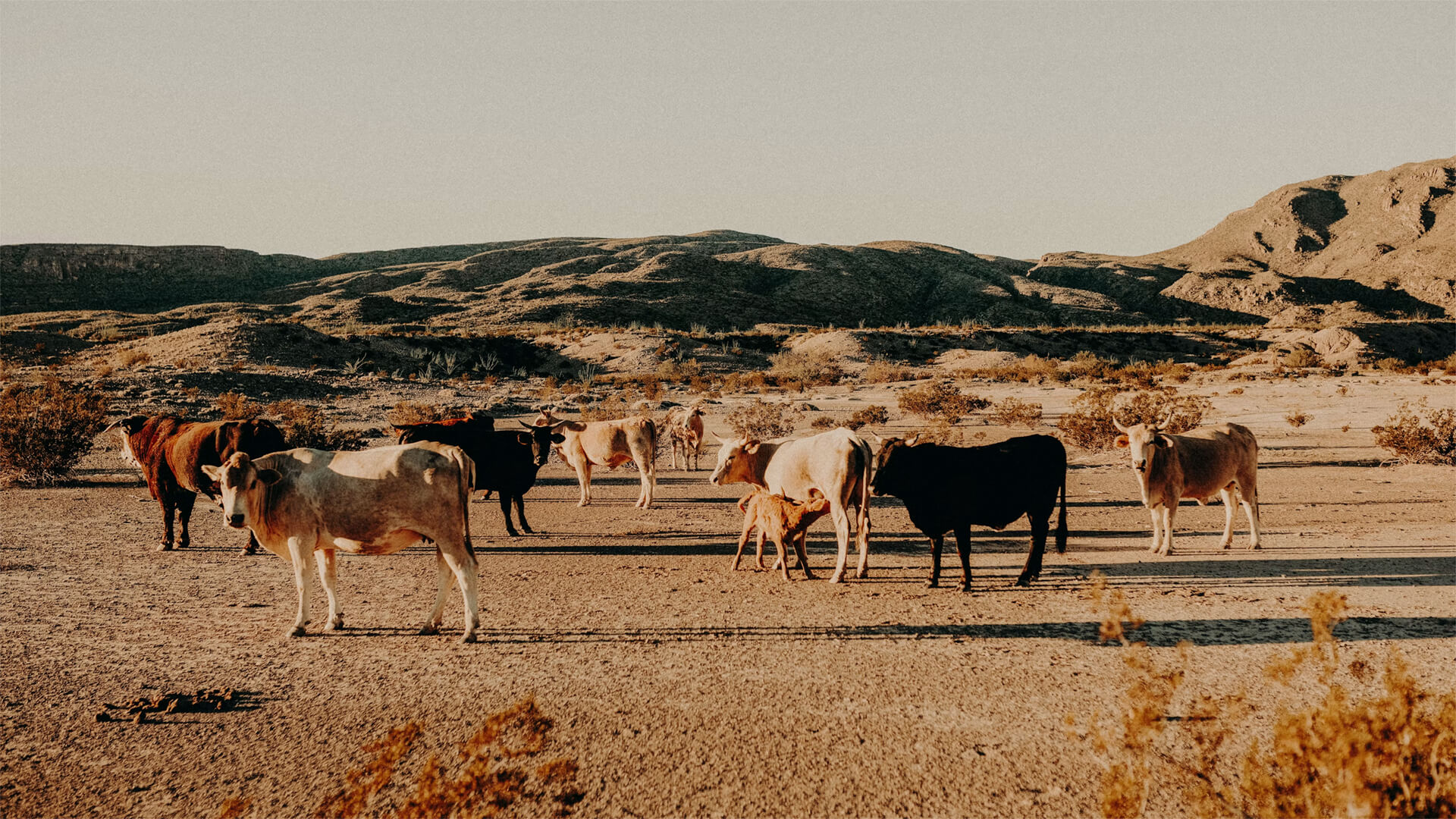
Cattle in Texas grazing

The return of the New World screwworm is threatening the U.S. cattle industry, especially in Texas. Typically, this would have been detected early on by agricultural monitoring and disease-detection programs, but those are now gone due to cuts made by the Trump Administration.

The screwworm is a parasitic blowfly whose larvae burrow into living animals. It can rapidly spread through livestock herds and requires a costly, large-scale treatment once detected in an area.

Livestock producers will incur higher costs and lose portions of their herds, meaning beef prices will continue to rise. If you’re looking for a silver lining, while this will be economically straining, it’s not inherently a food safety issue.

Transcript

Hey everybody. Peter Zeihan here, coming to you from Colorado today. We’re talking about an agricultural item that is hot screw worm. It is a blowfly that exists in tropic zones. It’s endemic in places in South America and the Caribbean. But from time to time, it manages to follow people and animals north. And we now have multiple cases reported in Texas. 

from the beef industry’s point of view, this is one of the worst things that could have happened at the worst possible time. So screw worm, it’s basically the the female lays eggs in a scratch or a cut on a calf, a cow, a sheep, goat, even a dog. And then when the eggs hatch, the maggots burrow into the flesh. a lot of blow flies. Like necrotic flesh. Dead animals. These guys, they want. They want them warm and wet. Anyway. Incredibly painful for the animal. And soon as the maggots turn into flies, they’ve got a wound right there. So they tend to stick around and the whole herd can get infected very quickly. 

And you can kill an animal in as little as 2 to 3 weeks. Treatment is external with a spray internal with some sort of anti bug thing. It involves information, if you remember that from the Covid days when we had so many, so many, so many, so many, so many very, very stupid people taking deworming agents because they thought it would help against the virus. 

Anyway, this is what it’s actually used for. And if you have a single case in an area, that means that the blowfly is already in the environment. And so you have to treat internally and externally every single sheep, goat and cow in the entire area. Otherwise you will have explosive growth. And that’s unfortunate. Probably what we’re going to be seen in the next couple of months is explosive growth throughout the Texas cattle herd. 

The only to fight it is to prevent it. So when you find an area where there are screw worms, you breed millions, billions, trillions of irradiated male screw worms or the flies and release them in the area. So when they meet with the females, the eggs can’t hatch, they’re sterile. And the last time the United States face a really, really big incidence of this, it was the 1960s. 

And in current dollars that cost about a half $1 billion to fix. We’re already seeing the Texas alone has spent more than that just to address the situation as it is today, attempting to get ahead of the preventative work. But it really they’ve they’ve failed and now it is local in multiple places across South Texas. And it’s going to be spreading like wildfire in the weeks and months to come. 

There’s really no good side of this, but that doesn’t mean that all effects are equal. So, for example, the Texas beef herd is primarily for consumption in the South, specifically in Texas. So while it’s really, really bad for Texas producers in Texas, consumers doesn’t really hit the export market. Most American beef exports originate in places like Nebraska or Oklahoma, where the population is lower. 

It really is, though, disrupting the North American beef trade because the United States is the world’s biggest producer of a number of agricultural products, most notably including things like feed corn. And so what happens is cattle from Canada and Mexico are shipped to the United States for finishing, fattening and slaughter. That has gone to zero. When this started to boil up in Mexico as a problem, the United States closed the border to all cattle. 

And now that the United States has cases itself, Canada has closed the border to all cattle transfers. So the feedlots that used to absorb all of that beef are no longer getting imports. And now because we have screw room locally, we’re going to see the beef industry producing less beef because of the cost required to treat everything. And then, of course, the preventative effort. 

You put all that together. And we already have ground beef in Texas of all places. That is over $8 a pound. That is an ugly situation for a lot of people for a lot of reasons. For most Americans, beef is their primary protein. Longer term, any effort to rebuild the herd is going to have to wait until the other side of this. 

That is not going to happen this year. If we are lucky, it will happen next year. And from the point that you start building out a herd now, it’s 36 months before you get an adult cow that can do adult cow things. So we’re looking at not until maybe the end of this decade, before the U.S. beef herd is back to where it might need to be, and even that requires a lot to go. 

Right? So how did we get in this situation? I mean, this is a disease or infestation that we beat back in the 60s. How to get back? Well, in a word, Doge, the first thing that Doge did when it came in as it went, looking around for things that they called a waste. And if you were monitoring infestation or disease that had been wiped out 50 years ago, they’re like, we don’t need that anymore. 

So in the US Department of Agriculture, all the labs who did things seasonally were cut because they could be cut and all the built in expertise on things like agricultural diseases and infestations that were not active were cut because they weren’t being used at the moment. And so our entire front line of detection for this entire topic went to zero. 

And Secretary Rollins, Secretary of Agriculture, isn’t stupid, but she doesn’t have a background in the nuts and bolts of agriculture. No one on her team does, because everyone on her team is somebody who has to be politically palatable to the white House. And so there’s no skill set in USDA to deal with this. They are consulting with private sector in order to build up that capacity. 

But everyone in the United States who dealt with this at volume is, you know, in their 80s. Now, there aren’t a lot of people left, and that means you have to go abroad and all of those connections reduce to zero as well. So in the best case scenario, the United States now has two of those facilities that deal with screw rooms. 

One is a small one in Panama, which is a legacy from the last big infestation, and one is a new one that just came online in South Texas that can make like a million of these things a week. That needs to get up to a billion of these things per week to really have any hope of driving this back. 

And so, best case scenario, this is going to spread very, very aggressively in Texas and beyond for at least the remainder of this year and probably well into the next. And then if everything absolutely goes perfectly, we’ll have it under control at some point in 2028. That’s a lot of ifs. In the meantime, America’s favorite protein, Texas’s favorite protein is only getting more expensive as the cost of keeping this at bay when it’s now endemic in parts of Texas is only going to go up. 

This is going to be something that is going to be eating into literally the system for months and years to come. About the only bright spot is while these things can infect a cow, you can still eat the cow. So it’s not like it’s wiping out the herds directly. And while it can infect a person, when a maggot is chewing at your flesh, you notice. 

And so it’s not like this. You’re going to die from this. You just go to the doctor and get treated and not with information. Just to be clear. there’s no direct threat to human health because the stuff is not subtle. All right. That’s it bye.