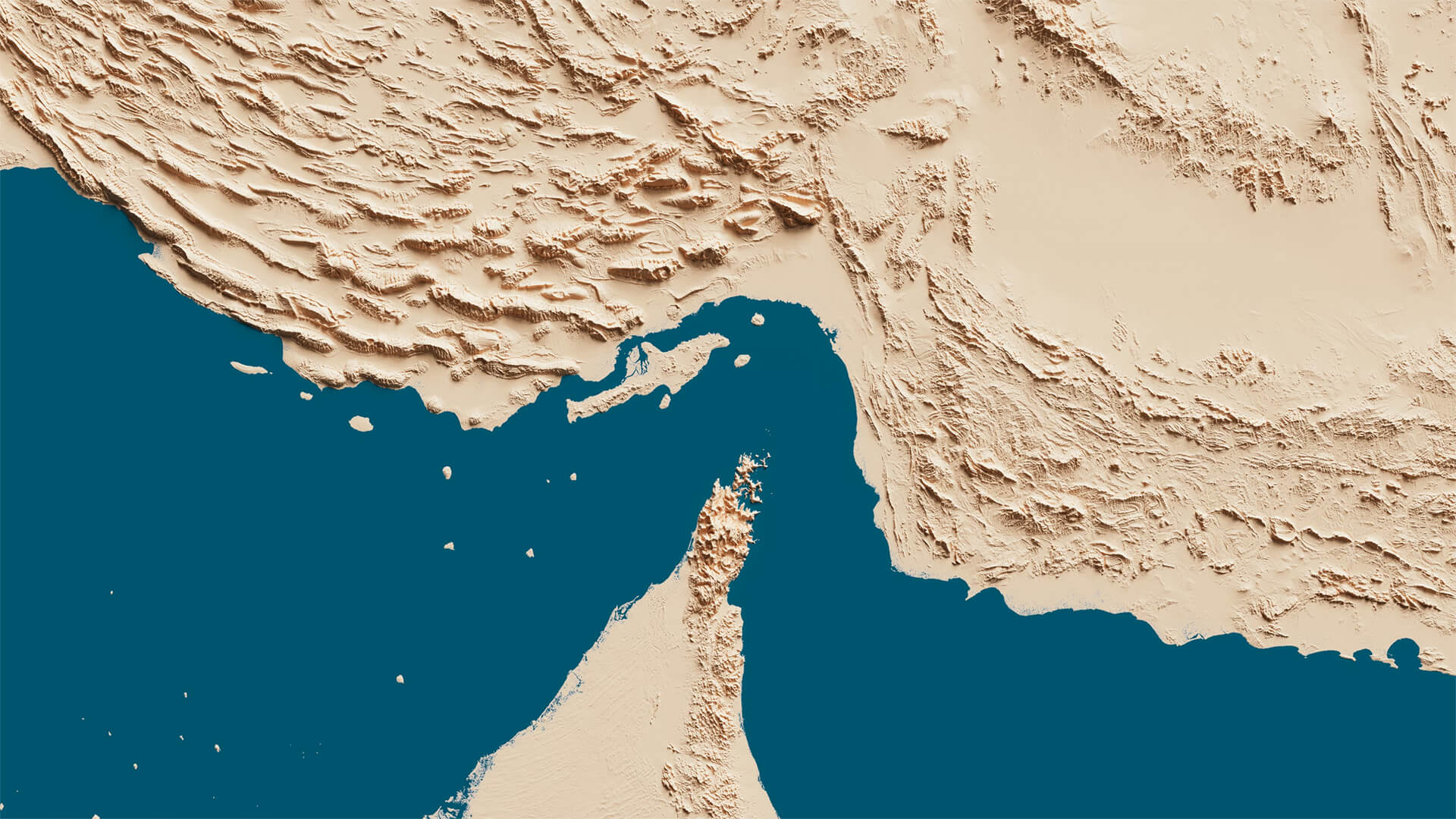

The blockade of the Strait of Hormuz has forced Iran to get creative with its oil storage.
Iran hasn’t been able to get its oil out of the Gulf, so they’ve started using available shadow fleet tankers as floating storage near Kharg Island. But as the other tankers begin to return from their delivery routes from before the blockade, dozens could get stuck waiting to get home.
Now, I’m not one to give targeting advice, but if the U.S. needed to do something that would force Iran to the negotiating table…I can think of a couple of really appealing targets.
Transcript
Hey, all. Peter Zeihan here. Coming to you from Utah today. Today we’re going to talk about an aspect of the energy crisis is going on in the Middle East and a possible partial solution. I don’t want to oversell. It has to do with what you go after. Now, I don’t provide military targeting data. Oh my God, no. But if I were to, this is where I would nudge things.
It has to do with tankers. We know that with the double blockade in place, the Iranians are losing access to places to put crude. Normally they export about 2 million barrels a day, mostly on shadow tankers, mostly in violation of sanctions. That goes out of the Strait of Hormuz to India, around India, around the Strait of Malacca and up into Northeast Asia, primarily China, but also a little bit to Taiwan, Korean time and Japan.
Anyway, that is currently blocked for them. So they’re pulling tankers out of mothballs, parking them near Kharg Island, which is their primary export point in the northern extremes of the Persian Gulf, and loading them up to use as floating storage. They can do this until they run out of tankers. Here’s part two. The type of tankers that the Iranians use are very large.
You either have the literally VCs, very large crude tankers that can carry up to 2 million barrels, or even a few ultra large crude carriers. It can carry up to 4 million barrels. Now, when those things take this trip, they can’t go through Malacca, especially the ulcers, because the strait isn’t deep enough. And the draft of these ships, when fully loaded, makes them detour further east around a place called Lombok.
Well, getting from Cargo Island out of the strait around the subcontinent, through Lombok and up to Northeast Asia, that takes about 28 to 30 days and then about five days for them to kind of turn around and queue into port, unload everything, and then come back, usually come back through Malacca because they’re not as heavy then. You do that time frame and you look at the point where the US really started the, blockade, and next week is when the last of those tankers comes back.
So what we’re seeing is the development of a tanker parking lot off the coast of Iranian parts in the Indian Ocean, which means there’s already about 20 there. We’ll probably have another ten there next week, and then that’ll be all of them. Well, these are all Iranian government owned. These are all shadow tankers. And if something were to happen to them, then the Iranians, even if the sanctions were lessened, couldn’t export without using unsanctioned tankers.
So if you’re looking for a way to force the Iranians to accept a deal that also closes down the shadow fleet, this is probably the way to go. And since these tankers are being held out in the Indian Ocean well away from population centers in Iran, you also wouldn’t face the same degree of damage or threat from Iranian military capabilities if they were to all be seized and relocated.
So again, I don’t provide targeting information, but if you’re looking for an economic way to force Iran to the table in a more serious way, going after the royal production is probably not the right way. But if you take away their transport options, then they really don’t have another choice.