

The U.S. is relatively insulated from the conflict in Iran and the closure of the Strait of Hormuz, since it’s a net exporter of nearly every major energy source. Most other countries aren’t so lucky…
However, there are plenty of indirect risks for the U.S. Global energy shortages could spike commodity prices (like coal) and disrupt supply chains; this would affect key U.S. imports like aluminum, copper, and transformers.
So, the U.S. power grid is likely safe in the near-term, but secondary effects on infrastructure and manufacturing could complicate things down the line.
Transcript
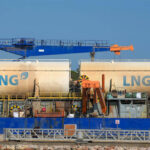
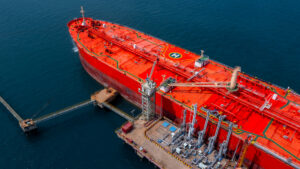
Hey everybody. Peter Zeihan here, coming to you from Colorado. Today, we’re taking a question from the Patreon page. Specifically, it’s whether or not I think that there are any parts of the US power grid that are particularly vulnerable to what’s going on in Iran right now, because of the closure of the Strait of Hormuz, for example, 20% of global liquefied natural gas is locked in.
And if you happen to be an importer of that, that’s a bit of a problem in any number of ways, because you can’t keep the lights on. Nothing else really matters. This is something where I’ve got some good Not only is the United States insulated because it’s in a different hemisphere, but the United States is a net exporter of every type of energy, whether that is raw electricity that’s already been generated, natural gas or jet fuel, naphtha, coal, all of it.
Which means that unless there is a direct price link back to the United States through something that is used to make electricity, you’re kind of in the clear. The only fuel out there that really has that sort of link is liquefied natural gas. And the United States is the world’s largest exporter of that now. So there’s at the moment, no direct link.
Now there’s plenty of indirect links. So for example, if you use coal in the United States and the United States is a coal exporter and the price of coal goes up on a global basis because of energy shortages related to other countries having power problems, and you might feel indirectly, or if you want to take a longer step in something, we’re all going to feel probably by the end of the year, the sort of rolling energy crisis that we’re starting to see in East Asia and to a lesser degree in is absolutely going to hit manufacturers markets.
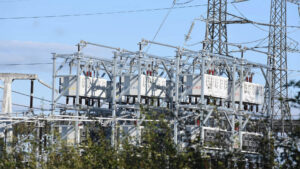
And the United States imports. A lot of the things that we use to stabilize our own power grid, whether that’s aluminum cabling for things like power lines, copper for anything that goes into electronics, and more advanced pieces of equipment like transformers, which take over a year to build. Because of the complexity, we will be feeling that in our power grid, but that is very indirect.
That is not this month. That is a problem for probably the fourth quarter of this year. So for what it’s worth. I do have a little bit of good news from time to time.