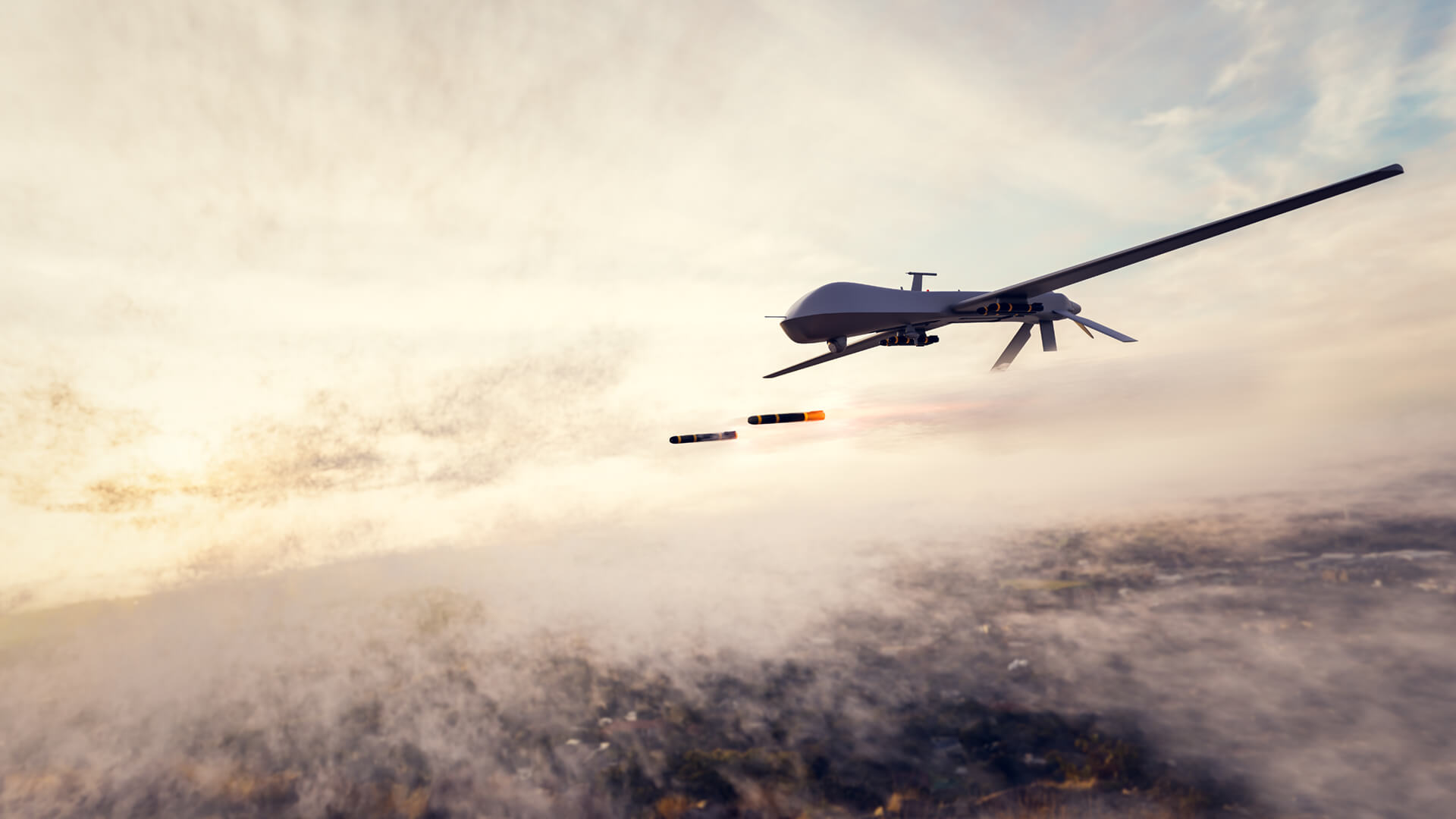
Marines, Uranium, and a Symbolic Win?

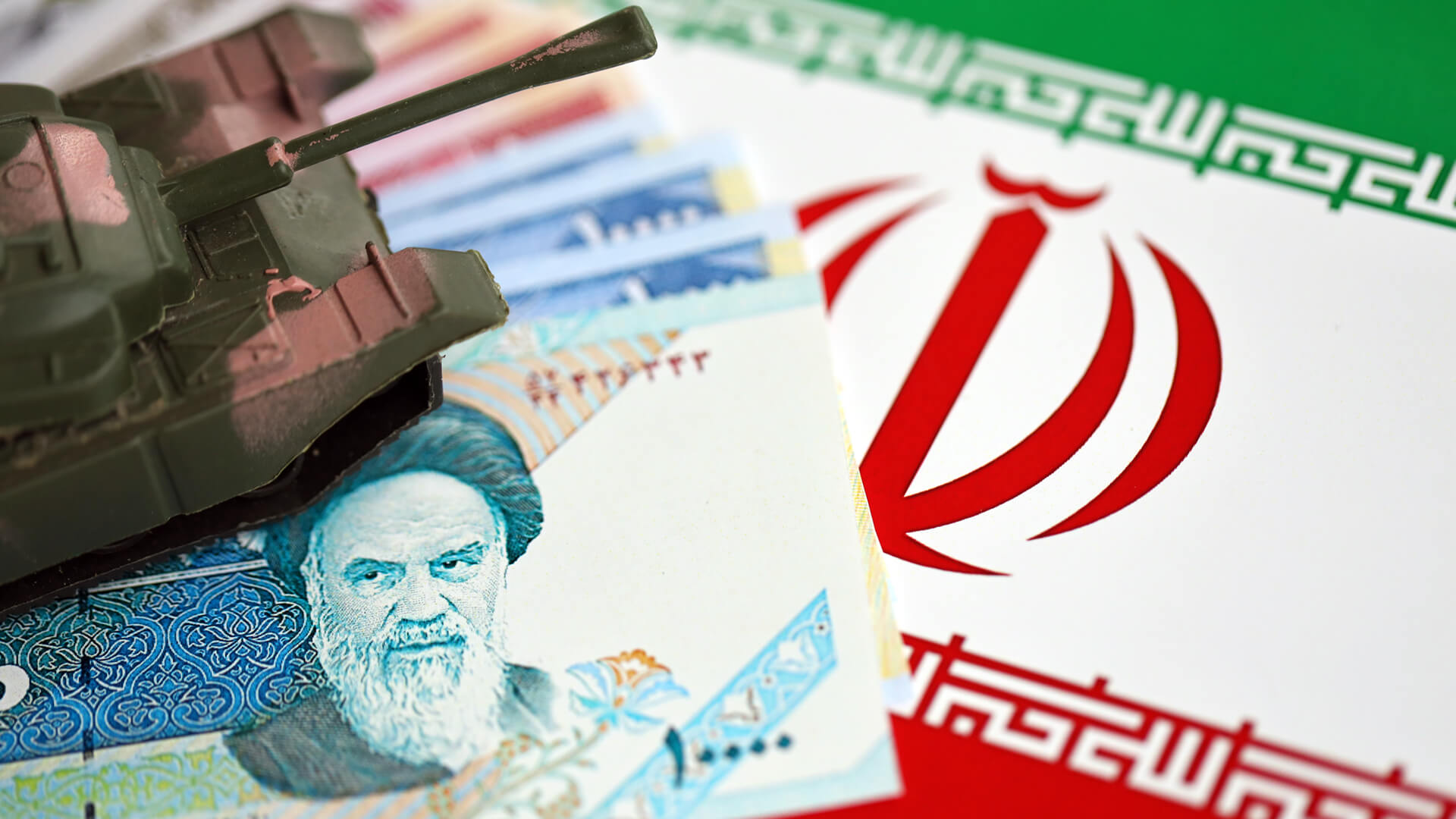
Claims that the U.S. will end the war by seizing Iranian assets make no strategic sense. Targeting Kharg Island or removing the uranium from Isfahan with ground operations is just too risky.

These narratives are likely just a reflection of the U.S. searching for a symbolic win, rather than a practical military plan. But this conflict could be pushing Iran closer to nuclear armament. Iran’s ability to quickly build a bomb wasn’t enough deterrence, so building a bomb appears to be the only option left.

As the war escalates and moderates are sidelined (or killed), the Iran war will grow less coherent and much more dangerous.

Transcript

Hey, everybody. Peter Zeihan here coming to you from the San Antonio airport. Today it’s the 17th of March, and there’s a lot of stuff going on in the news related to the Iran war that I find a little concerning. So I wanted to lay out what a few things are and are not, and hopefully some clarity will come out of this. 

So there’s a lot of talk in US media, especially, being leaked out of the administration deliberately, like straight from the white House, that, in order to conclude the war, they need to remove the enriched uranium from the equation. And the idea is that this meu that’s a marine expeditionary unit with the USS Tripoli that is currently enroute from East Asia to the Persian Gulf, is doing so in order to participate with that. 

So the two dominant theories are that the United States wants to put boots on the ground in a place called Kharg Island, which serves as the destination point for about 90% of the crude that Iran produces. It’s the sole loading facility that they have for super tankers. 

It’s on the northern part of the Gulf, about 30km off the coast. The second theory is that they want to remove they being the United States government, wants to remove the enriched uranium that Iran has from contention. That stuff is in a place called Isfahan, which is about 40 miles inland. Neither of these really match the facts. In the case of Kharg Island, there’s a single pipeline. 

There’s no bridge. So actually, if you wanted to take this out of the equation, you dropped one bomb on one pumping station on shore, and you cut it down with minimal damage, and it would be easy repair later. So there’s no need to put boots on the ground and car gets off. All that would do would be to open you up to potential counterattacks from the shore. 

Now, the Iranians couldn’t, like, surge across the street then with ground troops, but they could continually attack any American forces there with drones, for example. And if you were going to have a ship supporting Marines on card, all of a sudden you’ve given them a big, fat, easy to shoot target. That was stupid, just monumentally stupid. But so would going after for harm because it’s behind one is one of the first places that we hit during the war. 

We also hit them in July or sorry, June of last year. Sorry. It’s angry that time. I guess it is. You have been, This farm is under hundreds of tons of rubble, and it’s 400 miles inland. So the 2500 Marines that are with the Tripoli, there’s no way that they could land moved to his farm, somehow, magically excavate hundreds of tons of debris and then move the canisters of enriched uranium back to the coast. 

That’s assuming that the canisters are over 90% purified already, which is highly unlikely. so the hardware that is now moving in, the conversations that are being deliberately had publicly just don’t match the facts on the ground. I wish I had a clearer idea of what was going on here, but it’s pretty obvious that the administration is looking for a way out and looking for a way to manufacture a success. 

Just keep in mind that the position of this administration, and by this I mean the Iranian administration going back 35 years, has always been that if we get a new goal, we will be attacked. So we want a nuclear program that can create a nuke in a short period of time. You know, six months, but we don’t actually want to get the bomb. 

So the idea is that the deterrent is the program, not an actual weapon, or at least that’s what they believed. Until June of last year and in June of last year, Israel, the United States attacked anyway. And so the conversation then was basically, do we now need to have the bomb? So we have an actual turn? 

And regardless of how that conversation worked out over the last several months, this month with the new attack that killed, among other people, the Supreme leader and the conversation has changed. And now it’s like, of course we need a nuke. And everyone that the United States has are so far coming. I as assistance most recently Larijani all of these people by Iranian standards were moderates who favored negotiation with the United States as opposed to nuke. 

So pieces in motion, not a lot of it makes a huge amount of sense strategically right now, but not a lot of how God makes a lot of strategic sense either.

Trump Gets Introduced to Section 301

US Supreme Court Building

The Supreme Court ruled Trump’s tariffs were illegal, forcing the administration to do things…the right way. Welcome to Section 301 investigations.

This is the slower and more legally structured process of issuing tariffs run by the Office of the United States Trade Representative. Reminder that the USTR has been gutted, so they lack the staff to juggle multiple investigations. Especially since NAFTA renegotiations are just kicking off.

Transcript

Hey all. Peter Zeihan here, coming to you from Tulsa. It’s way too windy outside to record there, so we’re into it right here by the coffee machine, which is keeping me alive today. All right. Today we’re talking about the next step of Donald Trump’s trade policy. As I’m sure you guys all knew, the Supreme Court recently ruled, six three that Trump’s tariffs, which he labeled as an emergency situation, putting tariffs on literally every country in the world were a gross abuse of the law that he cited that it was illegal and unconstitutional for him to do so, that, tariffs are the province of the Congress, unless the Congress has expressly granted authority to the executive. Now, there are laws where that has happened, and that is what brings us to today. There’s something called 301 tariffs where the president can say, hey, this country is not being fair. It’s violating American trade laws and any agreements that we have. Therefore, we will investigate this violation. We will open up the situation to public comment. 

So any consumers or American businesses can testify, will put it on record. We will pull all the information together, we will make a finding, and then we will use that as ammo in negotiations with the country on the other side. And if those negotiations do not go the way that we like, we will then impose some sort of punitive system that might include tariffs. 

That’s just one of many options. It’s very adult, it’s very constitutional, follows the letter of the law. Now that he has been unable to convince the courts that what he was doing before was legal, it also takes time. There are two problems that Donald Trump is going to face with the 301 approach. The first one is that it can’t be arbitrary. 

So something that Trump did over and over and over again last year is whatever happened in the international system that annoyed him. He threw a tariff on it. You’re trading with the country. I don’t like tariff. I don’t like you personally. Tariff. You say something about the military. I don’t like tariff. You seem to really like steel tariff. 

It didn’t matter what it was. You throw a tariff on anything and that is now been proven shockingly so. To be unconstitutional. Not what Congress intended. 

The problem, however, with this new approach is that there is a process and you have to start it and there’s negotiations and there’s a comment period. And you actually have to build your case. 

Now, I have no doubt that at the end of the day, the Trump administration will just say, oh yeah, of course we’ve now proven our case and we tariff, but that takes months. Second problem, all of this, all of it, every little bit of it is handled up by the US Trade Representative Office. Now the USTR run by a guy by the name of Jamison Greer, who knows what he’s doing. 

He was trained by one of the best in the industry, Bob Lighthizer. 

The problem with USTR is it can only do so many things at a time. And under Joe Biden, who did not push a single free trade deal, it was kind of hollowed out of its staff. And then when Trump came in and Dogecoin, Elon Musk and all that, it lost some more of its stuff. 

And that was never been rebuilt. So Greer and the USTR office in general, simply doesn’t have the capacity to really do more than one of these 3 or 1 investigations at a time. And Trump has already initiated 301 investigations on Canada, Japan, Korea, the European Union, Mexico, and, of course, China. And I’m sure there’s going to be many, many, many, many more. 

And because this is a process and you have to document and get comments and make findings, you can’t just wave a pen and make it happen. The US simply doesn’t have the staffing. That’s necessary to do that. And then third, on top of all of that, USTR is responsible for negotiating or renegotiating every other trade deal. 

Remember that when this all started in April of last year, tariff day, Liberation day, based on your politics, we put tariffs on every country on the planet. And Trump feels that that is necessary for every country on the planet. And now we’re doing 300 ones for all the big ones and probably many of the small ones in the weeks and months to come. 

But that ignores what else is going on, because the U.S. does have trade deals separate from all this. 301 stuff. So, for example, over the weekend, the United States, Canada and Mexico formally started the process of negotiating for what NAFTA is supposed to look like a year to five years from now, that until this moment was the US primary job, because Mexico and Canada or the United States is top and second largest trading partners. 

And whatever the future of American manufacturing happens to look like, or American agriculture, American energy or American population workforce, it’s going to be bound up and with whatever happens with NAFTA. But now the USTR has to do at least a dozen, three, oh ones, probably several 301 negotiations and investigations at the same time. Bottom line, this is like the hard, frustrating way to do it. 

Yes, but it should have started this way a year ago. The only alternative would have been to go to Congress and say that I need some sort of trade negotiation authority. Now, this is something that presidents in the past used to do. You’d have to go back to George W Bush for the last time this was done. It was called trade Acceleration or Trade Promotion Authority, where Congress grants the president the ability to do negotiations outside of the normal back and forth. 

Of the legalities. If you want to do that, you have to get congressional approval. The thing is, Trump really hates going to Congress because then he actually has to say out loud what he wants to do and put it up for a vote. Yay or nay. That was hard enough last year when he had a meaningful majority in the House and the Senate. 

But since then, Donald Trump has had a hard time staffing his government with people from the private sector, because there aren’t a lot of them that believe what he believes. And so he’s had to reach into his ideological allies, people who owe their political careers to him in Congress and in doing so, has whittled down the majority he has in the House, in the Senate to work with. 

And there are enough remaining trade based, business based, Republicans in the party that it’s unclear that he would get the sort of support that he would need in order to make the changes he wants to make. So that kind of leaves us in this stall where Trump is kind of forced to let the system be the system, but he’s unwilling to challenge the system legally. 

And so far in this administration, where that has ended has been with a Supreme Court case that tells him the thing that he never wants to hear. No.

The U.S. and Mexico Kick Off NAFTA Talks

US, Mexico, and Canada flags with a hole in the Canadian flag

The U.S. has kicked off renegotiating NAFTA, but Canada was left out of the first round between Mexico and the U.S.

The U.S. is likely prioritizing a relationship with Mexico because of its healthier demographics and growing consumer base; therefore, Mexico is a more strategic long-term economic partner. Canada, however, has been getting the cold shoulder from this administration.

Leaving Canada high and dry could backfire, as the U.S. benefits greatly from Canadian manufacturing. We’ll see how the strategy changes throughout these negotiations.

Transcript

Hey, everybody. Peter Zeihan here. Coming to you from Colorado. You’re going to see this on the 16th of March. Meaning that formal trade talks on the relaunching of the North American Free Trade Agreement have begun. And the first round is specifically between the Americans and the Mexicans, and the Canadians have not been invited. Quite on purpose. 

We’ve got three things going on here. First of all, in the long term, the more important trading partner is Mexico. They’ve got a younger population. On a worker productivity basis, it’s actually a more productive and efficient workforce than what the Canadians have. And when the two countries come head to head in competition, the Mexicans typically win. 

But most importantly, it’s a larger population, over 100 million people. And they are at the stage of their life, under age 45, 20 to 45, where they’re buying a lot of things. So it’s a consumption base that has a lot of upside growth potential. So from a purely macroeconomic point of view, it does make sense for the United States to prioritize Mexico over Canada. 

That’s piece one. That makes some sense. Piece two makes less sense. Trump personally and the advisors around him and the MAGA movement in general have a real bone to pick with Canada for any number of reasons, which I’m not going to go into because a lot of them are made up. But the degree of almost hatred that this branch of the American political system feels towards our northern neighbor really is robust, and it is definitely affecting policy. 

To that end, not only is Canada being denigrated at any number of opportunities, but there’s actually a significant move within this move it to break up Canada as a country. Specifically. MAGA is doing a lot to reach out to separatists in the province of Alberta. Now, for those of you who have been following me for a while, you know that she’s 13 years ago now. 

Yeah, 13 years ago. I wrote a book called The Accidental Superpower. And in it, I listed five major international crises that Americans would be aware of and participate in. And one of them was called the Alberta Question. The idea is that Alberta has a fundamentally different culture, economy, infrastructure and approach to all things in the world that is very, very different from the rest of Canada. 

It’s younger, it’s more highly skilled. It’s an energy, an agricultural economy, and most importantly, all of their major economic links go south to the United States rather than laterally to the rest of Canada. So the idea, that Alberta will eventually seek something else makes a lot of sense to me. But a lot of things have changed in the last 13 years. 

For the most part, we’ve seen the Canadian system through immigration actually kind of get past some of their more urban demographics or at least mitigate them a little bit. So the risk that I had seen 13 years ago, basically Alberta paying for the entirety of the existence of Canada is no longer the case. 

They’re still the biggest contributor in per capita terms by far. It’s the richest province by a significant margin. But Ontario is no longer aging into obsolescence at the pace that it was because of the influx of immigrants that has generated its own set of problems. But that specific problem has been mitigated somewhat. 

The problem is, is that if Alberta were to achieve independence, it would very rapidly become a failed state. It would be a one trick pony with its energy economy. The currency would probably go through the roof because of it, and the place would become vastly unaffordable. The only real long term solution would then be for Alberta to join the United States. 

Now, no one in MAGA is talking about that. Very few people in Alberta are talking about that. But that’s really the only long term solution here from an economic inflation, a population of skills and an infrastructure point of view. There’s just that little cultural issue about whether you want to actually join the United States. So we have MAGA, basically stirring the pot to see the kind of problems they can generate in Alberta, specifically in Canada in general. 

But no one’s really thought about what’s the next step, should they actually win? That’s a problem anyway. Third piece impact on the United States for not having Canada in NAFTA. One of the beautiful things, from my point of view about NAFTA is we get access to the workers in the industrial plant of our neighbors, but we don’t have to pay for their education or their social welfare system, or their health care or the law enforcement. 

We just get all the benefits. So when I look at Canada, I basically see a country of 35, 38 million people, whatever the number is now, but it’s actually more tightly. Each of the provinces is more tightly integrated in the United States than ever with one another. And we get the benefit of that in our industrial base to serve our domestic needs, to serve our export markets, whatever it happens to be. 

And we don’t have to pay for any of it. So we know that the Trump administration is deeply hostile to, Canada’s presence in specifically aerospace and automotive, which are two big, big ticket items when it comes to manufacturing and trade. And it’s been very, very blunt and saying that Canada, you’re going to lose all of that. It’s all going to come back to the United States. 

But that would mean then that we need to train up a replacement workforce and build replacement infrastructure for stuff that already exists north of the border. And considering we’re just a few years from the Chinese breakdown and the breakdown in global trade in general, I would honestly say we don’t have the time to mess around with something like that. 

And even more importantly, we need to take the energy that we would have to build out that industrial plant to build up other industrial plant that we need even more. We’re already an environment of a labor market that is going to be shrinking for the next decade for demographic reasons, two decades, actually, and we just don’t have the labor or the capital, to be perfectly honest. 

That the green space in the industrial parks right now and do all of this at the same time. And so if the Canadians want to continue paying for their health care and their infrastructure and their training in order to help our industrial plant, I say let them, well, go that way. You know, we’ll see. 

NAFTA is the most complicated trade deal on the planet because it deals with all the technical details of 10,000 different product steps. The person who is handling the negotiations is the US TR who is Jamison Greer? He’s seen this before. This is not the first time that Donald Trump has pushed trade negotiations into a different direction. 

If you go back to Trump won the US, TR was a guy by the name of Robert Lighthizer famous for playing hardball. Very good negotiator. Jamison Greer is his protege. So Greer has seen the inside of this process already, even if his name wasn’t on it. And last time around, Lighthizer talked with the Mexicans quite a bit before forcing a deal on the Canadians. 

So whatever deal comes out of this is one that the Canadians, while very, very little leverage and independently of the fact that the current administration really doesn’t like Canada, that’s just the nature of the beast. It’s the nature of the people. It’s the nature of the future of Mexico. And while there are certainly things that we absolutely can do more easily with Canada as part of the process, that doesn’t necessarily mean that’s the way it’s going to go, because if there’s one thing you know about Americans in general and this administration specifically, we don’t always do the obvious thing.

Russia’s Ukraine War Lessons Are Hitting the Gulf

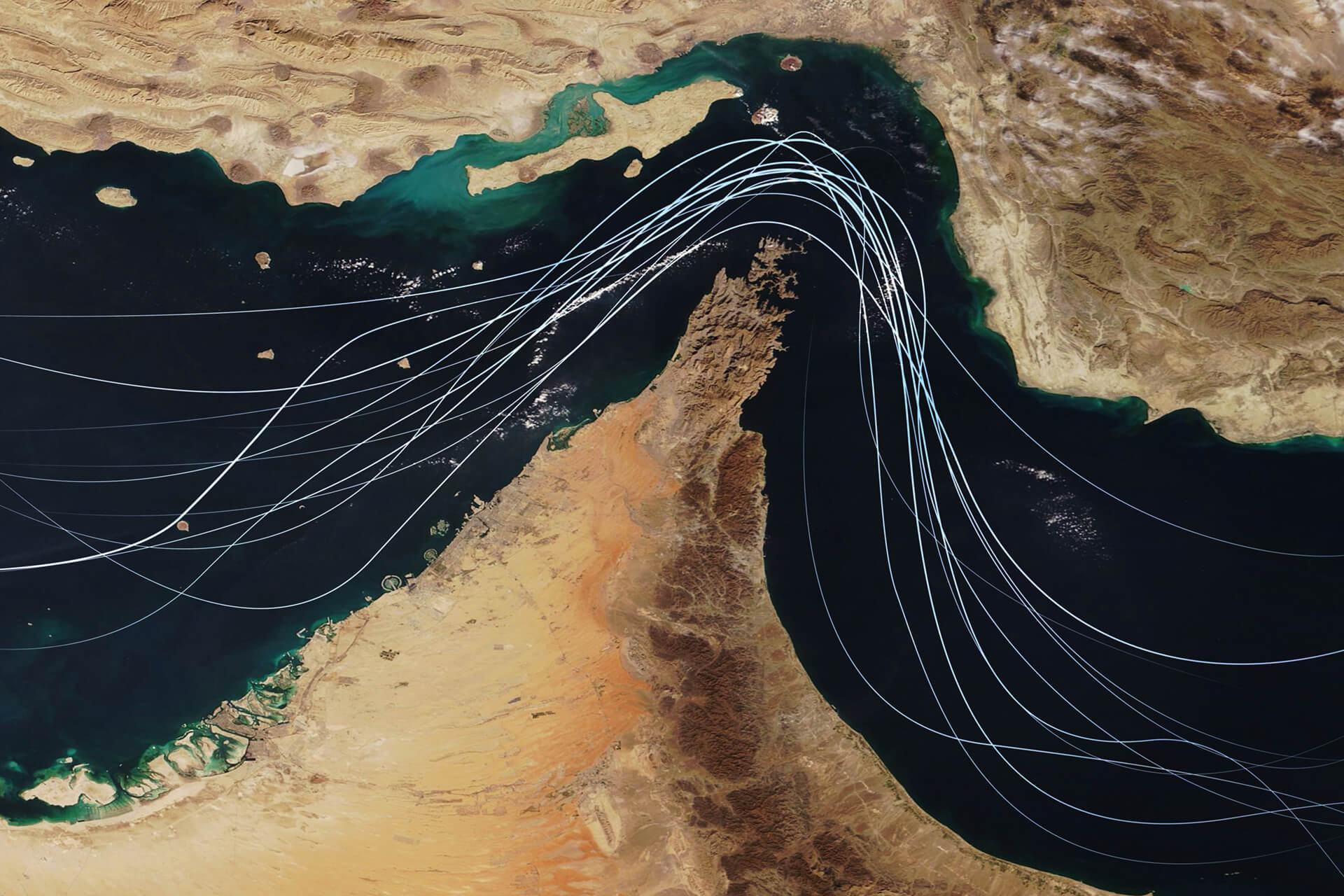
Qatar and Persian Gulf Region on a Map | Photo licensed by Envato Elements

Russia is taking what they’ve learned on the battlefield in the Ukraine War and sharing that with Iran. This is not a new strategy for the Russians, but it is already spelling trouble for the US.

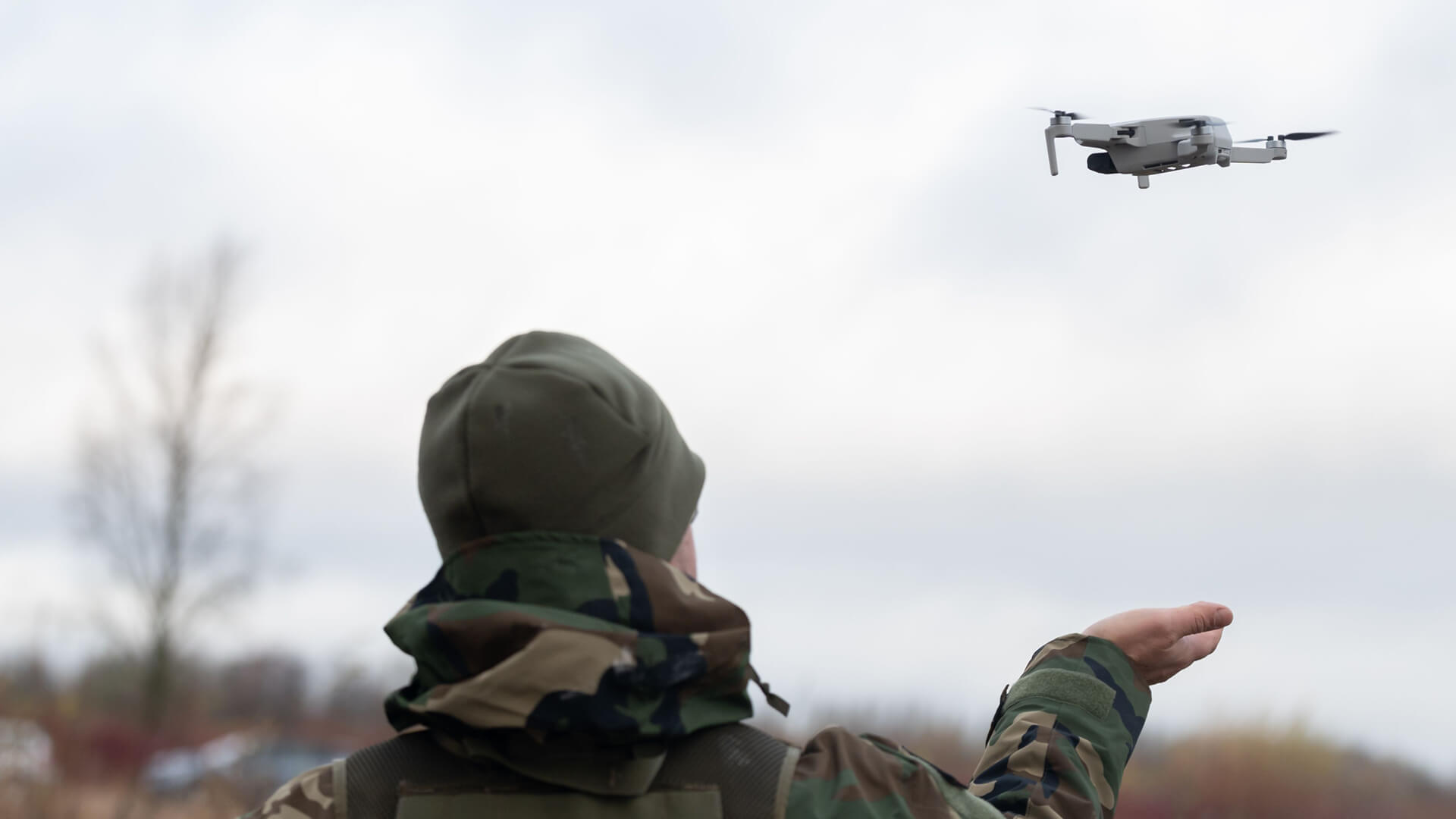
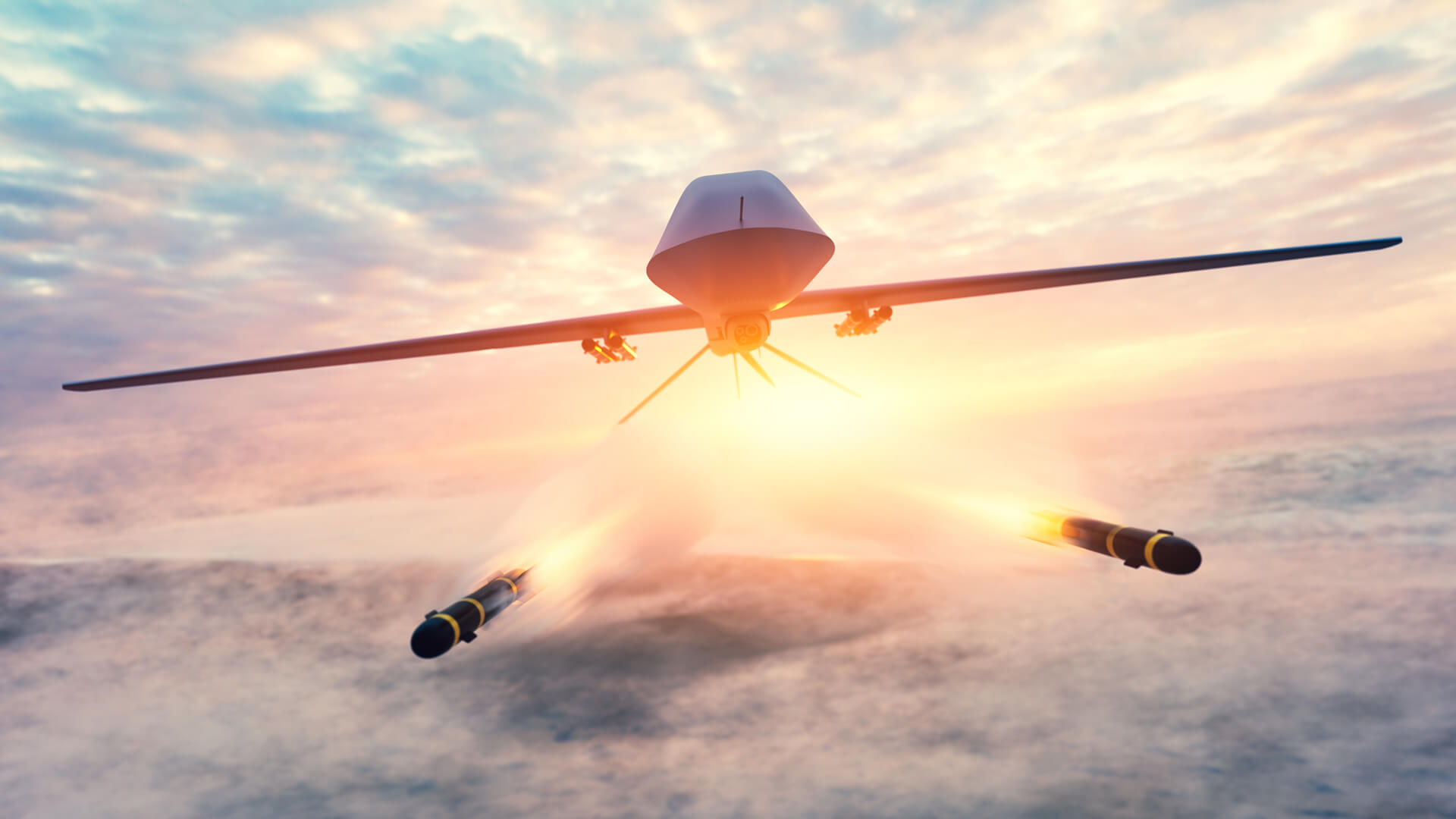
Iran’s Shahed deployment and targeting are improving, thanks to tactics like launching swarms of drones with varying flight paths. These strategies are rapidly exhausting missile defenses in the Persian Gulf.

Transcript

Okay. Today we’re going to talk about drone targeting specifically in the context of Iran. And there Shaheed. So last week we learned, you know, shocked anyone who’s been paying attention that the Russians have been providing the Iranians with targeting information since the beginning of the war. The Russians have been providing all of America’s foes with targeting information, going back to the early days of the war on terror. 

That’s not a surprise. But what’s come out in the last 24 hours, roughly, is the degree to which the Russians are sharing their war lessons that they’ve learned at the expense of the Ukrainians in the Ukraine war. So the weapons system in play is an Iranian shaheed. It’s a really stupid drone where you have a small Nand chip that’s a slow memory chip that doesn’t necessarily require power to hold on to its memory. 

You program in a preset parameter preset flight route and it flies from A to B following the course you’ve identified. And then if it’s a really advanced shithead and most of them are at it, then can execute a very limited decision tree. Like is this a car or is that a boat? Is that a tree or do I want to hit and it’ll try to hit one of those things. 

Otherwise it just kind of angles down and crashes into something. Well, what the Russians have learned is that if they take their heads and fly them in groups in batches, that, not only ensures that one of them will get through air defense, it makes it actually harder for the air defense to pick out an individual target. So oftentimes you have to fire more interceptors than you would if they just came at you one at a time. 

The additional thing that the Russians are sharing is kind of a weave strategy, because you can preprogram in the route. What you do is you preprogram in a slightly different route for each head. So they kind of weave in and out of formation up, down, left, right, whatever it happens to be. That makes it much harder for air defense to kind of get a lock. 

And you have to use even more interceptors. And we now know that that specific strategy that they developed for dealing with Ukrainians has now been applied to Iranian showerheads that are being used against American and allied targets in the Persian Gulf. The issue here, of course, is pretty straightforward and short term. The western Gulf is running out of interceptors, and anything that forces the defenders to use more and more of them while the shitheads just keep coming, means that the time where they actually run out of Anti-drone weaponry is coming upon us very, very quickly, perhaps as little as a week or two. 

We don’t know the specific number because the Western Gulf is are consider the number of interceptors they have used and the number they have left to be national security secrets. So it’s kind of a just a guessing game. But there were only about 2000 of them total at the beginning of the war. Or it’s been going on for two weeks. 

And we know that the Iranians have fired at least 2000 shitheads at this point, probably closer to 3000. And they just keep coming. So we’re very close to the point where the Western Gulf is going to run out of defensive firepower and courtesy of the Russians, they’re going to have pretty good targeting information. Just come on in and hit whatever they want.

The U.S. Dollar: Short vs. Long Term

Photo of US dollar

Before anybody asks, no, the following is NOT financial advice. The U.S. dollar is constantly in the spotlight, so where is it heading?

Over the long term, the U.S. dollar is well-positioned to rise. Four main factors are driving this: U.S. naval dominance to secure global trade, favorable demographics, abundant food and energy resources, and the need to expand manufacturing. Each of these suggests durable economic strength.

But in the short term, current policy is driving the dollar downward. Before the Iran war, things like immigration limits, tariffs, regulatory uncertainty, and eroding business confidence all weakened the dollar. The Iran war has brought a temporary lift, albeit a marginal one, as investors seek safety.

Transcript

Hey all, Peter Zeihan here coming to you from Colorado. Today we’re going to talk about the US dollar and where it’s going to go short and long term. Again this is not not not investment advice. This is just where the geopolitics say that we’re going. First let’s talk long term because it’s a really simple story. As a rule, a country’s currency tracks its economic strength and its durability. 

And by that measure, the United States dollar really has nowhere to go but up for the next several decades. The big factor is, number one, the US military is the one that rules the seas. And even if everybody else were to put their militaries together, their navies together, and sail them against the United States, we’d probably only need two, maybe three aircraft carrier battle groups to take the whole thing down. 

Also, with very, very, very few exceptions, single digit exceptions, there are no ships, frigate navies, ships out there that have the capacity to even reach the United States. So the United States can go there, do whatever it wants, but nobody can come here. And that allows us to be the arbiter of really whatever it wants to be. Number two, demographics. 

As much as we are facing a demographic crunch at the moment, specifically is the baby boomers, which are the largest generation we’ve ever had, are now almost entirely retired. Our boomers had kids. We call them millennials, and they are now in the height of their consumption years. And then for the next 20 years, they’ll be at the height of their production years. 

And so we know we still have a relatively strong, stable and balanced economy moving forward that doesn’t exist in very many places elsewhere in the world. So whether you’re in Germany or China or Japan or Korea or Spain or Italy or Poland, we’re looking at a country where they basically already aged out. 

And there aren’t a lot of people under 50 relative to those over 50. So you know that the United States is really the only first world country of size, with the possible exception of New Zealand, where there really is a demographic story for normal economics going forward for the next several decades. Number three, resources. The United States is the only first world country with the exceptions of Australia and Norway and Canada, that are massive, not just producers, but exporters of food and energy products, which without those you can’t have a modern system. 

That doesn’t simply mean that cash is constantly flowing into the American network. It means that the United States never really has to worry about the building blocks of what it takes to make a modern economy functional. All right, what else? 

the last item is kind of, strength from weakness. Because of globalization, the United States is hollowed out a little bit when it comes to manufacturing. We still produce the most value out of manufacturing of any country in the world. But as the Chinese are facing demographic and geopolitical pressures and eventually will fade away, the United States needs to expand its manufacturing footprint massively, at least double it in order to prepare for that circumstance. 

That’s an inflationary story, but it’s also a massive growth story. So those four things together, the need to expand the manufacturing plant, the commodities position, the military position, the demographic position. This tells me that the US dollar has nowhere to go but up for decades. But that’s then, we all live in the now, and we have a lot of problems in the short term that are taking us absolutely the opposite direction. 

And all of those are caused by policy. So first up, the Trump administration’s decision to basically make immigration into the United States impossible. We have gone in the last 12 months from the first world country with the fastest growing population to something near the bottom. And for the first time in American history, 2025, we actually saw the US population drop. 

That is putting huge pressure on labor markets, especially when it comes to things like construction and health care that are slowing American growth, raising costs and pushing the dollar down. Second, the tariff policy, despite what it claims, it’s actually making manufacturing a lot more difficult in the United States. You see, there’s kind of two broad categories of manufacturing. 

Your relatively simple value add, like things like, say, furniture or making glue where there are only a half a dozen steps. And if you have a high flat tariff, you try to then move those steps into your country and consolidate. But then you have more complex manufacturing, like cars and computers and airplanes that have hundreds, if not thousands, if not tens of thousands of steps. 

And there is no country in the world where those are all under one roof. So if you put a high tariff in, then every intermediate good has to pay the tariff and it just makes more sense to move as many of those steps outside of the tariff umbrella as you possibly can, and then just import the finished product at the end, because then you only have to pay the tariff once. 

So what we’ve been seeing over the last year is industrial construction spending in the United States. Drop drop drop drop drop drop drop drop drop. And the only reason it hasn’t plunge is people are hoping, praying against all odds, that the Trump administration will eventually back down and these tariffs will go away. We’re now coming up on a year since they were put in place. 

We’ll hit that anniversary in the first week of April and we’ll probably see the drop off accelerate. So that boom, I was talking about where we needed to double our industrial plant. We’re actually going in the opposite direction right now, and that is forcing the United States to import to cover everything. And so we see the dollar going down. 

The third issue is how easy is it to do business in your country? The Republicans have traditionally been the pro-business, low regulation crowd, and the Trump administration has said that it’s not going to enforce the regulations that are on the book. It’s basically asking companies to lie on their tax forms and ignore the government’s policies as they currently stand. 

You see, there’s a big difference between Trump two and Trump one. In Trump one, they brought in people who knew about deregulation, and they had this idea that for every new regulation that came in, five had to be removed. And so we actually saw meaningful deregulation. But with this new administration, they haven’t brought in those people. 

They’re just not allowing new regulations to go in. So the old regulations from previous administrations are still there. And the people who would go through and winnow them out are not there. And we no longer have the capacity to implement new ones. So the regulatory structure is becoming slowly ever more divorced from the economic realities of the country. 

And there’s no one in place to fix that. So companies are being asked to just ignore the whole thing and saying that there won’t be any legal repercussions for that. At the same time as the, the legal structure becomes almost irrelevant to where we are now. On top of that, with the tariffs, we’ve now had over 5000 tariff changes since April 2nd of last year. 

The the game board is changing every day and companies literally don’t know what to do. And the collective decision is to try to do as little as possible. So while the rhetoric may say one thing, this is actually the most anti-business administration that the United States has had in my life. And business confidence and business activity and business expansion are all dropping instead of rising. All of those are bad for the dollar. 

And finally, there is a rule of law problem. The Republican Party is not what it once was. Donald Trump has exercised a number of factions national security securities, fiscal conservatives, business conservatives from the coalition and has actively campaigned against their champions in Congress. And what’s going on with Immigration and Customs Enforcement is a real big issue. 

Seeing Ice in places like Minneapolis has really jarred the business community, because they’ve always counted on the US government to enforce rule of law. We don’t have that anymore. In fact, Ice is operating in a way that every police chief has always told his or her officers to never do. You know, you’re never supposed to argue with the judge. 

You’re never supposed to argue with the prosecutors. You’re never supposed to recruit from gangs. You’re never supposed to wear a mask. You’re never supposed to draw a gun first. And no one really knows where federal law enforcement is going to be unless you’re looking at the FBI under a guy by the name of Cash Patel, who’s basically a conspiracy theorist. 

So the idea that there’s this stable structure undergirding everything that the federal government does is now gone, and businesses just don’t know how to react at all. You add in record deficit spending and the implications for the dollar are down, down, down, down, down. So we kind of have this perfect storm in the short run that is pushing the U.S. dollar down, even against the overarching long term trends that are pushing the dollar up. 

So I have no doubt that over decades, the dollar will rise and continue to. But I also have no doubt that over months the dollar will drop because the federal government is now actively, loudly declaring that that is their express goal. Now, the idea behind what the Trump administration is saying about dollar policy is their idea is that if the dollar gets weaker, then U.S. exports will increase. 

And ultimately, that’s one of the metrics that Donald Trump is obsessed with. But that also means for a country that imports manufactured products, it also means that we are looking at significantly higher inflation as a result of that policy in the short run. So short run, if you’re a dollar bull, it’s going to be a really rough ride if you’re a consumer. 

Things look a little rough because we’re seeing fewer products produced in the United States, and we’re seeing a hollowing out of the high end employment base that does the high end manufacturing that we’ve always excelled at. That might make good for exporters a little bit, but in the long run, we’re looking at a very different economic structure. And of course, as with everything, the challenge of getting from here to there is where we all live. 

And now an update. We’ve recorded this video before the Iran war started, and if you want to talk about something that threw a shock into the system to underline that there really wasn’t an option out there for financial investment. Outside the United States, this is what did it. And so we’ve seen the United States dollar rise over the last couple of weeks versus every major currency except for, I think, one, I think Canada is holding in there because it’s basically integrated with the U.S. system. 

However, I will underline that, markets are behaving grudgingly in this regard. They really don’t want to put their money in the U.S. dollar because of some of the policies that we have out of the Trump administration right now. So while, yes, the US dollar is rising versus pretty much everybody, only at a moderate pace, in most countries it’s 2% or less over two weeks of war. 

And now the Persian Gulf being shut for the entire time, it should be double digits. But there’s really only three markets where you’re seeing more than this 2% change. You’ve got Korea, which is uniquely exposed, South Africa, whose economy has always been really, wild and, erratic. And Indonesia, where the markets are relatively illiquid for a market of its size. 

So, yes, we are definitely looking at the long term effect here of the US dollar having nowhere to go but up. But also we’re seeing the damaging effects of the short term of no one really trusting to put their money in the United States system and showing that it has nowhere to go but down. The result is, at the moment, in a moment of global crisis, surprisingly small gains for the US dollar. 

I would love to say that the surprises me. It does not.

The Shield of the Americas

Silhouetted soldier against a black background

Trump has launched a new regional security initiative called the Shield of the Americas. This partners with several Latin American leaders that Trump likes to target drug cartels throughout LATAM.

The U.S. would utilize special forces and intelligence teams to carry this out. While they could target cartel leaders, labs, and trafficking nodes, as long as there is demand in the North, the drug trade will persist.

Eliminating the industry would require massive troop commitments, resulting in significant political consequences. And even then, the drugs would find a way to keep flowing.

Transcript

Hey, everybody, Peter Zeihan here. Coming to you from Colorado. And today we’re going to talk about what went down to the white House over the weekend. 

Specifically, there’s this new grouping called shield of the Americas that Donald Trump has initiated between the United States and a number of Latin American countries that he considers ideological allies. So, by the way, that the Latin Americans use the term further to the right, so not including Colombia or Brazil, but concluding places like El Salvador or Trinidad and Tobago or Argentina. 

Keep in mind that what means left and right in Latin America is a little bit different from what it means here in the United States, but the Trump administration has not picked up on that. Bygones. Second that to all of these governments, just like any other democracy, switch back and forth. So this is an alliance, an alignment of the moment. 

And first thing, you should not count on the current roster of countries being what is there tomorrow or the next day, or much less the day after. There are always elections going on. We won Columbia this summer. That is probably going to be quite significant. 

And so the roster moves. But what is more important about the Shield of Americas, is not so much the Secretariat or any idea of policy. There’s no talk of trade deals. It’s all all about security cooperation. And the idea is that the Trump administration has decided it wants to take the U.S. military, push it into Latin America specifically to go after drug smuggling organizations. Now, back story. Historically speaking, the United States involvement in Latin America has been somewhat limited unless there is a third party from out of hemisphere operating the whole concept of the Monroe Doctrine is it’s not so much that this is our hemisphere, but it’s certainly not your hemisphere. 

So whether it was the Germans or the Soviets or the Chinese or whatever, there’s always been a degree of built in American hostility to anyone on the outside pushing in here. That doesn’t necessarily mean that the United States is dominant economically, although there are periods in the history where that has happened. Second, with the United States is in the process, independent of Trump, exemplified by Trump of contracting its footprint and its interests in the Eastern Hemisphere. 

Now we can have a conversation of whether that’s smart or not, but politically, it’s very popular on both sides of the aisle to bring the boys home and to be less involved in trade on a global basis. I would argue that’s mostly self-defeating, and guarantees will get drawn into something bigger later. But, you know, I’m only one guy. 

If 330 million of us, my vote isn’t all that big. What it does mean, however, is that if you take the United States military and all of a sudden it’s not obsessed with the Eastern Hemisphere, and a lot of the forces come home, and of course, it’s going to be used more aggressively in the Western Hemisphere. And since there’s no country in the Western Hemisphere that’s even remotely capable of fielding a force that is of any conventional threat to the United States, then the question is, what are you going to use the tools for? 

They may have been designed for Islamic fundamentalism or the Chinese army or whatever it happened to be, but if they’re here, they’re going to be applied to different threats. And the threat of international drug trafficking organizations is obviously a significant one that everyone agrees is a problem. We just all agree on what to do with it. I would argue that the simple way to destroy all of these organizations overnight is just just not do cocaine. 

But again, I’m only one vote of 330 million. So we now have the Trump administration and at least 14 other governments, at least on the surface, agreeing to deploy American forces throughout the hemisphere to combat these cartels. Now, two things. Number one, as I said originally, the roster is going to change. And so you’re going to see a lot of small bases and coordination facilities popping up and then going away after an election and then popping up again after the next election. 

And that means we’re not talking about a regular army, and probably not even the Marines, because the type of permanent footprint that’s necessary for those two institutions is in the billions of dollars of investment. And you can’t just come and go and come and go and expect it to be useful at all. It takes months to deploy the Army in a meaningful way. 

Marines a little bit faster, but not by a lot. This is not a job for the Navy and aircraft carriers. This is much more specific. Once you limit what you can do with bases, and that means facilities that are small. And then if they get folded up tomorrow, it’s no big deal. Which means that the entire American deployment for this sort of thing is going to be special forces, whether it is the Green Berets or the Rangers or the Seals or the CIA. 

Now that community, the Special Forces community, has more than doubled the number of operators they’ve had as an outcome of the war on terror, because you never knew where you needed to drop in a small team of a dozen people. Now that the war on terror is over, I don’t want to say that the Special Forces Command has nothing to do, but they’ve gone from having a long grading war where they’ve been working in tandem with over 100,000 Americans deployed in combat situations, throughout the Middle East to all of a sudden that’s gone. 

And so they have become the premier force for the American president, whoever that happens to be, to address whatever issue happens to be coming up in the world or to a degree, deniable, they’re small, they’re agile, they’re lethal, they’re very skilled. They have a long logistical tail. But that means that at the point of the spear is a lot of force behind it. 

So when you look at things like Latin America, you think of drug cartels. This is really the perfect tool for the job, independent of the fact that it’s twice as big as it used to be. It depends on the fact that they’re actually very good at what they do. The only problem, and it’s not a really big one from my point of view, is that they’ve been training for something else for 25 years now. 

There’s not a lot of desert territory in Latin America where there’s drug trafficking. You’re talking primarily mountains. You’re talking primarily jungle or jungle mountains. That means we’re probably going to be seeing the teams deployed throughout the length and the breadth of the region. The question and only Donald Trump can answer this question right now is whether or not you’re going to deploy them exclusively in places where you have a degree of political cover and agreement with the host country. 

In a place like El Salvador, pretty easy. El Salvador is not a major drug trafficking location in places like Colombia, where the government is currently kind of hostile. That’s a different question. As a rule, when Latin American countries realize they have a cartel problem, they’re usually pretty enthusiastic about working with the United States on security matters. But it’s always been a step of remove. 

So, for example, if you look at Plan Colombia, which was the deal we cut with the Colombians in the early 2000, we shipped a lot of equipment, we provided a lot of Intel work. We provided some naval support, but it was always Colombian boots on the ground doing the actual grunt work. And in doing so, it ended their Civil War and led to a collapse in cocaine production. 

You’re not going to do that with ten special forces teams. You can go after specific nodes. You can go after specific production sites, you can go after specific people. But we’re talking about an industry here. The drug industry gets tens of billions of dollars. And as long as there’s demand north of the border in the United States for these products, special forces are not going to be able to change the math to a huge degree. 

That’s the second problem. The third problem is really much bigger. And that’s Mexico, in Mexico, with the current government in Colombia. Shame bomb. We have a government that is much more willing to work with the United States, even in the United States, as being a bully. But you’re talking about where the cartels, the big ones, originated. 

And while they are in the process of fracturing because their leaderships have been removed, all of the economics that are still pushing the cocaine north are still there. And so you’re talking about having to do something like not special forces, but actually deploying tens of thousands of troops in order to impose a security reality. Here’s the thing. We’ve tried that if you go back to the Afghan war, at its height, we had 90,000 troops there. 

And while they were trying to hold the country together to fight the war on terror, heroin production increased. Because you can only be so many places once Mexico is over twice the size of Afghanistan, Mexico has over twice the population of Afghanistan. And so even if we were to put a couple hundred thousand troops in Mexico, I really doubt it would be enough to change the overall economics of drugs. 

Anyway, bottom line of all of this is, while the United States can’t solve these problems, as long as there is an insatiable source of narcotics demand, it does have some tools that allow it to interfere in the region in a really deep piercing, meaningful way. The question is whether or not the political and economic side effects of that are worth the perceived benefits. 

Mild disruption of cocaine production, transiting versus breaking the political relationship that allows, say, the trade relationship to happen. Because Mexico is by far our largest trading partner and will be for the remainder of my life, and without them in the American trading network, everything we need to do gets a lot more difficult.

Sweden Grabs Its First Shadow Fleet Vessel

Swedish flag on a boat

Sweden has seized its first shadow fleet vessel. They even went after a bulk carrier rather than a tanker. As more countries join in on the crackdown on Russia’s shadow fleet, the dominoes are beginning to fall.

There’s a good chance that the entire shadow fleet could be dismantled within the next weeks and months. However, there are over 1,000 ships, so there isn’t enough port space to bring them all in. Expect to see these aging vessels parked off the coast before they can be shipped off to India or Bangladesh to be scrapped.

Beyond the obvious impact on Russian, Iranian, and other oil supplies, global shipping could shift into a shortage as the vessels are retired.

Transcript

Hey everybody. Peter Zeihan here coming to you from Colorado. Today we have to take a break from what’s going on in Iran and look further north to Sweden, of all places. The Swedes over the weekend have brought in a Russian shadow fleet vessel into their ports and basically have arrested the crew. This is interesting for a number of reasons. 

For number one, we’ve had a couple of dozen shadow vessels be captured by various powers the United States, India, France, Belgium. This is the first for Sweden. And so we’re seeing a broadening net, of countries going after the shadow fleet, which is basically what the Russians have been depending upon in order to ferry things that are under sanctions around the world. 

Second, beyond this being Sweden’s first one, this is the first shadow vessel that wasn’t a tanker. It’s a bulkier. And it’s unclear whether it was carrying cargo from the Middle East to Russia or stolen Ukrainian grain from Ukraine to Russia to somewhere else. Really? Doesn’t matter specifically. The point is, is that the entire shadow fleet, not just the tankers, everything that the Russians have been relying upon to maintain their reach beyond their own territory is now under direct threat. 

We will probably see a complete dismemberment of the Shadow Fleet over the course of the next several weeks. And now that we have countries as minor as Belgium and countries as well placed as Sweden going after them, because Sweden basically controls the Baltic Sea if it wants to. This should wrap up pretty quick. We’re now in a weird little situation, though, where there’s going to be a logistical issue that’s really big. 

The shadow fleet is over a thousand ships, and there are not enough port facilities in the world to take them all. What will probably happen at the end of the day is they’ll all end up eventually in a place like Bangladesh or India. Well, they will be broken down for their steel. All of the Shadow fleet vessels are old. Most of themcould not qualify for a normal insurance policy under normal circumstances. And it’s only because they’re operating functionally illegal under the Russian banner, that they are still afloat. But as logistical problems go, that’s a really good problem to have. So in the meantime, they’ll probably dropping anchor off places until they can be unloaded, but that will absolutely take weeks to months. 

So we are at the beginning of the end of the process, and now we can start looking to the other side, where we go from having a surplus of vessels in the world to a shortage of vessels in the world, and where we have Russian crude and Iranian crude and Venezuelan crude, and perhaps Saudi and Emirati and Kuwaiti crude all falling off of the market at the same time. So what was for me really dramatic when this started to happen about a month ago now with the Iran war, who I don’t want to say it’s a rounding error, but this is definitely the lesser of the two big things going on, and it’s all happening at once. So buckle up.

The Iran War: Enter Sting Interceptors

Drone-intercepting Sting drone being prepared for launch | https://commons.wikimedia.org/wiki/File:Sting_drone-interceptor_being_prepared_for_launch.png#/media/File:Sting_drone-interceptor_being_prepared_for_launch.png

Defenses in the Persian Gulf are collapsing as Iran continues large drone attacks, but there’s a country that already has the answer. Enter Ukraine’s Sting interceptor.

Transcript

Hey, everybody. Peter Zeihan here coming to you from Colorado. It is late on the 15th of March, giving you an idea of what’s happened over the weekend in the Iran war. A few big developments. Number one, it’s very clear that Kuwait and the United Arab Emirates are almost entirely out of interceptors. And we’re seeing more and more shots getting through to that. 

And the Iranians have warned citizens of the UAE in the vicinity of military facilities and ports to move, because it is the Iranian intent in the next few days to basically destroy all of them. Judging from the number of drones that are still coming out, I don’t think they can destroy all of them in that kind of timeframe, but they can certainly wreak immense damage, especially to the energy infrastructure. 

So we’re now at the point we’re seeing the act of disassembly, if you want to use a less horrible term, of the physical infrastructure up and down the Gulf. And when they’re done with the UAE and Kuwait, they will obviously focus on gutter. In Saudi Arabia. We’re also seeing reports that Israel is almost completely out of, interceptors as well. 

And the United States does not have a replacement stock to help with any of the countries, the Trump administration, Donald Trump personally, I should say, has, taken to Truth Social to start demanding that other countries start sending warships to attack Iran. Gone is the bluster that, oh, the war is completely over, and it’s just a matter of tying this up. 

I mean, that was always really stupid. Now it’s being peeled back for the ridiculousness that it is. Specifically, Donald Trump has called upon the Japanese and the Koreans to send ships. A few things here. First of all, the Koreans don’t have the range, so it’s going to be very easy for them to ignore that one second. 

Japan does have the range and like the bar for us getting involved in a war that somebody else has started when we don’t have really the military capacity to appreciably, help. It makes it a bit of a stretch. But more to the point, there’s just the time, these are not countries that maintain navies on a wide ranging global patrol like the United States. 

Nobody does. And so if the Japanese did decide to send a meaningful contingent, they would not arrive in the next two, three weeks. That’s assuming they were ready to go right now, which is an open question. So you can just take that little bit of American propaganda and shove it to the side because it’s irrelevant. 

The other big thing is Ukrainian President Zelensky has said that he has provided the United States with definitive proof about how Russia is assisting Iran in the war with the United States. Specifically, he says it’s a combination of Intel programing and hardware, at the moment. 

the white House has been silent about that. And anyone who knows anything about this region of the Russians is going to know that. 

Of course, that was going to happen because the Russians have been doing it for the last 30 years. And just because we’ve had a change in president, that doesn’t mean that the Russians or the Iranians see the United States any different at all. 

What will probably happen is unless we have a significant shift in attitude out of Donald Trump personally, we will probably see the Ukrainians providing that information to the countries in the Persian Gulf that are actually getting hit so that the Kuwaitis, the Qatari, the Saudis, the Emiratis and everybody else understand exactly, how the United States has screwed this up. 

Once that happens, I would expect the Arab states of the Persian Gulf to start spending just immense amounts of cash in Ukraine to massively expand their capacity to build counter, drone weaponry interceptors. There’s something called the Brave One, which is about a foot long. It and its entire launcher fits into a duffel bag. 

According to the Ukrainians and some countries that have bought some, you can make these things for somewhere between 1 and $3000 each, whereas a shithead costs in the 35 to $55,000 range and a Pac three interceptor, the one to the United States is running out of are 4 million a pop. 

In addition, the United States can only make about 700 PAC threes in a year, whereas the Iranians pre-war could make 700 shitheads in a week. And the Ukrainians can probably make several thousand, brave ones a week as well. But they need industrial infrastructure and plant expansion in order to up their production, both for their own defense as well as for any sort of export sales. 

Say what you will about the Kuwaitis, the Qatari, the Emiratis and the Saudis. They’re not particularly good at anything that involves the military, but they have a lot of cash sitting on hand. You got over $2 trillion in sovereign wealth funds, and we will probably now, within days, see a fairly substantial chunks of that dedicated to investing in Ukrainian infrastructure in a way that we just haven’t seen from the Europeans, much less the United States, in the last year. 

That changes a lot of the math of what is possible and impossible in Russia, in Ukraine, in Europe, in Iran, in the Persian Gulf. We’re now in a position where the best chance for preserving the infrastructure to prevent some sort of global calamity, ironically, runs through Kiev, and Riyadh and Doha and Kuwait City. And the rest are going to come to that realization, probably in the next 48 hours. 

One quick correction on today’s video. The name of the drone right here that the Ukrainians are producing that is in high demand is called the sting, not the brave one. Brave one is the tech incubator that Kiev has set up to facilitate innovation across the entire drone and general defense space. So brave one is the institution. The sting is the actual piece of hardware that everybody is after.

The U.S. Helps India and Russia Helps Iran

An oil tanker in the ocean sailing

There have been two major developments involving India, Russia, and the Iran war being conflated. These are two separate issues altogether.

The first involves Trump granting India a temporary waiver to import Russian oil. This was done to prevent a severe energy or economic shock in India. This is a pragmatic move, rather than a pro-Russia policy shift. The second revolves around Russia helping Iran with targeting information. This is a longstanding Russian strategy of undermining the U.S. globally.

Although some U.S. policies toward India appear to be improving, a major shift is unlikely unless and until some of the Russian sympathizers in the current administration are removed.

Transcript

Hey, everybody. Peter Zeihan here, coming from a snowy Colorado, finally got a big storm. Oh. Anyway, today we’re going to talk about something that a lot of people are conflating that deals with Iran and the oil trade and Russia and India and sanctions and terrorism, blah, blah, blah. A lot of people are tying this all together with a nice big bow. 

It’s not quite that neat. So the two big things, number one, the Trump administration has granted India, a series of waivers, right now, courtesy of the Trump administration. We have sanctions on a few Russian oil companies and, Donald Trump managed to cut a deal with the Indians, about how six weeks ago, I think it’s been now, where the Indians would stop, importing Russian crude. 

I definitely had my doubts about that at the beginning, but it seems like it’s actually sticking because, there’s now this waiver, the issue is that the Indians had been grabbing oil in excess of a million barrels a day. Really? Since the Ukraine war got going, and it was one of the big financial lifelines. 

And now that the Trump administration has put sanctions on Russian companies, they have slowed, not stopped, but slowed. But now, with the Persian Gulf being closed for I believe we are in day ten now, the Indians only other source of crude was from the Persian Gulf, and that has functionally gone to zero. So in order to keep the Indians on board, the Trump administration has granted this waiver, allowing the Indians to bring in, temporarily, at least for a month. 

Russian crude. That’s piece one. Piece two is we’ve had a number of leaks from the international community, especially from the American intelligence services and also from Congress, that the Russians are actively assisting the Iranian government with, targeting of American troops. Which is definitely true. The people that are deeply anti-Trump are, conflating the two saying that, Trump is basically Putin’s, sex toy. 

And so therefore, Trump has been looking for any opportunity to, cut the Russians a deal and absolutely anything. While there may be a little bit of truth behind the thrust of that, linking these two events is not correct. Let’s start with the Indians. If you’re going to split the Indians off from the Russians, if you’re going to have a better relationship between American India, causing an economic depression is not a good way to do that. 

So once the United States started the war in Iran and the Persian Gulf got shut off, your choices were either to try to somehow force India to have, an energy induced depression and then still be pro-American, which would have been a very, very tall order or issue these temporary waivers. So the temporary waivers make a lot of sense. 

I’m not a big fan of the Russians having any market, but if you took the Russians out of the equation at the same time you took the Persian Gulf out the equation, you’re talking like 25 million barrels a day of global oil production that has nowhere to go and can’t get anywhere. And that would have been disastrous if it was all focused on India. 

If you want to focus on China, it’s different conversation, different video. Okay. So that makes sense. The second one, the Russians have maintained links to basically any group that has ever targeted the United States, whether that is various derivatives, Al-Qaeda, Iran, or more specifically, the group in Iran that is calling most of the security shots, which is the IRGC. 

And of course, they’re continuing to provide targeting information just like they did for the 20 years of the war on terror. Anything that keeps the Americans bottled down anywhere else in the world gives the Russians the free rein to do whatever they want in their neighborhood. That is a time honored Russian tradition, going back all the way to the czars. 

So of course, of course, of course they’re doing this, which puts, the Trump administration and Donald Trump personally and kind of an awkward spot. The information is coming from so many sources, international domestic, military intelligence, congressional that, there’s a lot of texture and detail to the accusation. Specific cases have been noted. So of course it’s true. 

And that puts Trump in that position because he is basically giving Putin the benefit of the doubt in everything regarding global affairs and the Ukraine war, and specifically. And now we have his most recent, crown jewel in his foreign policy, Iran, that has been actively undermined by the Kremlin and Putin personally. Does this mean that we’re about to see Donald Trump turn over a new leaf? 

That’s a lot more realistic when it comes to the Russians? Let’s not get ahead of ourselves. Remember, that surrounding him, you’ve got Wyckoff, who was maybe the dumbest person Western civilization, who was the prime interface between Putin and Trump. And all he does is regurgitate Putin’s propaganda in Trump’s presence. 

Number two, you’ve got the vice president, JD Vance, who is a not so closeted white supremacist who thinks that the Russians are the great hope for the white race. And third, you’ve got, the director of national security or national intelligence, Tulsi Gabbard, who basically has stood against the United States on any meaningful foreign policy position for the last 15 years and has been very, very pro-Russian from the very, very beginning. 

The key thing about Tulsi Gabbard is that she controls the daily presidential brief that the intelligence community puts together for the president. So I would be shocked if details about what the Russians are doing even made it into the document in the first place. So this basically has to grind on. We’ve already had a half a dozen Republican senators, and a number of Republican House members go public in the last 72 hours screaming at Trump to finally, finally, finally fix this and get rid of people like Tulsi Gabbard and Steve Woodcock and actually have a foreign policy that is worthy of the United States. 

But as we all know, Trump, really doesn’t care what anyone else thinks. And he’s really not even concerned about the midterm elections because, he’s already a lame duck. And even when he controlled both the Senate and the House, he’s really never bothered going to Congress for anything. So why would he care what Congress looks like? 

Anyway, things are slipping. Bit by bit in the right direction for more realistic foreign policy versus the Russians. And things are kudos to Donald Trump slipping in the right direction for more productive relations with the Indians, as well. I was very doubtful that the Indians would abide by any sort of ban of Russian products. But yet here we are, and the market is proving it. 

Russian Urals crude sold on the Indian market has actually now risen above the Brant benchmark. That is kind of the global standard. And the only way that would be happening is if we had a sudden surge in purchases because of the waiver. And that’s exactly what’s going down. So a lot of moving pieces here, and I’m not trying to convince anyone that we’re about to have a dramatic change in foreign policy. 

That would be more realistic. But we do finally have multiple vectors moving in the same direction at the same time. You will not see a meaningful change in policy, however, until Wyckoff and, Gabbard are gone. I don’t see that as imminent. But then again, Kristi Noem finally got let go after six months of horrible mismanagement at DHS. 

And again, the Republicans in Congress are not so quietly celebrating, in media. So, you know, there is hope here. Let’s just not get overexcited until we actually see the backsides of some of these people who functionally work for the Russians.

Iraq, Oil, and a Break for Chevron

Iraq Map With An Oil Sign licensed by Envato Elements: https://app.envato.com/search/photos/c777eb9c-aa98-4f24-b652-fc6ac6385c3c?itemType=photos&term=Iraq+oil

We’ve all heard the claim that the Iraq War was a war for oil, but American energy firms barely wanted to touch Iraq after Saddam fell. Things might be shifting now.

U.S. sanctions on Russian firms, such as Lukoil, forced Iraq to nationalize projects. This opened the door for Chevron. Should they come in, production in the West Qurna 2 oil field could double.

Once Iraq’s parliament gives the green light, Chevron would mark this as a much-needed win, as it would be the largest recent international asset and comes as the firm could be losing ground elsewhere, such as in Kazakhstan.

Transcript

Hey, everybody. Good morning from Colorado today we’re and talking about oil in Iraq. If you guys remember back to Iraqi freedom and the Iraq war in the war on terror, you know, 20, 23 years ago now, there is a lot of argument back then from people who didn’t like the George W Bush administration that this was a war for oil. 

We were pre shale revolution at that point. So the US was the world’s largest importer of crude and natural gas. Now we’re the world’s almost largest exporter of both based on how you’re doing the numbers. But if you remember back to how the war concluded, American oil interests moving into Iraq were thin. There were a few people who moved into Kurdistan in the north, and that was about it. 

The reason was a combination of things. Number one, there was an active insurgency going on. And while oil companies generally have a high tolerance for damage, in this sort of environment, when the 100,000 American troops in the country were like, no, that’s just way too hot for us. Second, the Iraqi government, post-Saddam was wildly disorganized, and sharply sectarian and basically on off in a stage of civil war in parts of the country, parts of the country that had oil. 

So a a few companies did move in, but it didn’t really work out for any of them, and they ended up moving out. That may may be changing now. The Trump administration has sanctioned Russian oil companies, most notably Lukoil, in this conversation, and Lukoil was the manager for a really easy, shallow, huge field called West Qana two, which is in the southern part of the country near the secondary capital of Basra. 

And after 20 years of operating in the country, they were able to get oil production there up to about 450, maybe almost 500,000 barrels a day. But now they’ve been sanctioned and they can’t US dollar markets. And if you’re producing crude for export, it’s all denominated in US dollars. So they have basically had to shut themselves out. 

So the field was nationalized by the Iraqi government. It’s currently being managed by something called the Boss Route Oil Company, which is a state entity, and they have entered into negotiations with America’s Chevron to take over the project. Now, none of this is done. There is no ink to even be dry yet, but, Chevron is in the first position to enter negotiations. 

Take it over. And the current expectation we’ll see is that a year from now, they will be the sole operator, or maybe in league with the Iraqi government. This would be the single largest asset that Chevron has picked up internationally in quite some time. Almost a half a million barrels a day. And unlike Lukoil, which doesn’t have great technology or capital access, Chevron is one of the big five of the world. 

And we would probably see the West kind of two project expand to over a million barrels a day in a very short period of time, probably no more than five years. It’s a technically simple field. It’s large, it’s close enough to a population center to be able to tap labor, but not so close to be a security problem. 

And it already has an existing pipeline going to the coast, and it already has an offloading facility. So in terms of supporting infrastructure, everything that it would need is already there. About the only obstacle at this point is would have to be ratified by the Iraqi parliament, which can be a little snarly, and that will depend upon relations with the United States. 

But one of the things that prevented American companies from getting involved the last time around is that the only real stable part of the country was up north in Kurdistan. And so that’s the first place people went to sniff around. Well, Kurdistan is viewed by the rest of Iraq as secessionist. So if you cut a deal with the Kurds in the north, it was very difficult to get a deal on the south, on top of that, the technical challenges for the fields in the North were really, really sticky. 

And if you wanted to get the crude out, you either had to send it north through Turkey. And the Turks hate the Kurds and the Kurds hate the Turks. Or then you had to send it south through the Arab part of Iraq. And they didn’t like the Kurds anyway. So basically anyone who took the early deals with Kurdistan, lost out on the South, independent of the fact that the South was a difficult operating environment. 

But no longer applies today. And Chevron has no assets in Iraqi Kurdistan. So from a geopolitical point of view, this actually seems to be set up to be a meaningful deal for Chevron, which, considering they’re probably going to lose what they have in Kazakhstan because of the Ukraine war, from them is a fantastic development. They’ve always kind of been second fiddle to Exxon. 

This is one of those situations where they might actually have a significant leg up.