
We’ve all heard the claim that the Iraq War was a war for oil, but American energy firms barely wanted to touch Iraq after Saddam fell. Things might be shifting now.
U.S. sanctions on Russian firms, such as Lukoil, forced Iraq to nationalize projects. This opened the door for Chevron. Should they come in, production in the West Qurna 2 oil field could double.
Once Iraq’s parliament gives the green light, Chevron would mark this as a much-needed win, as it would be the largest recent international asset and comes as the firm could be losing ground elsewhere, such as in Kazakhstan.
Transcript
Hey, everybody. Good morning from Colorado today we’re and talking about oil in Iraq. If you guys remember back to Iraqi freedom and the Iraq war in the war on terror, you know, 20, 23 years ago now, there is a lot of argument back then from people who didn’t like the George W Bush administration that this was a war for oil.
We were pre shale revolution at that point. So the US was the world’s largest importer of crude and natural gas. Now we’re the world’s almost largest exporter of both based on how you’re doing the numbers. But if you remember back to how the war concluded, American oil interests moving into Iraq were thin. There were a few people who moved into Kurdistan in the north, and that was about it.
The reason was a combination of things. Number one, there was an active insurgency going on. And while oil companies generally have a high tolerance for damage, in this sort of environment, when the 100,000 American troops in the country were like, no, that’s just way too hot for us. Second, the Iraqi government, post-Saddam was wildly disorganized, and sharply sectarian and basically on off in a stage of civil war in parts of the country, parts of the country that had oil.
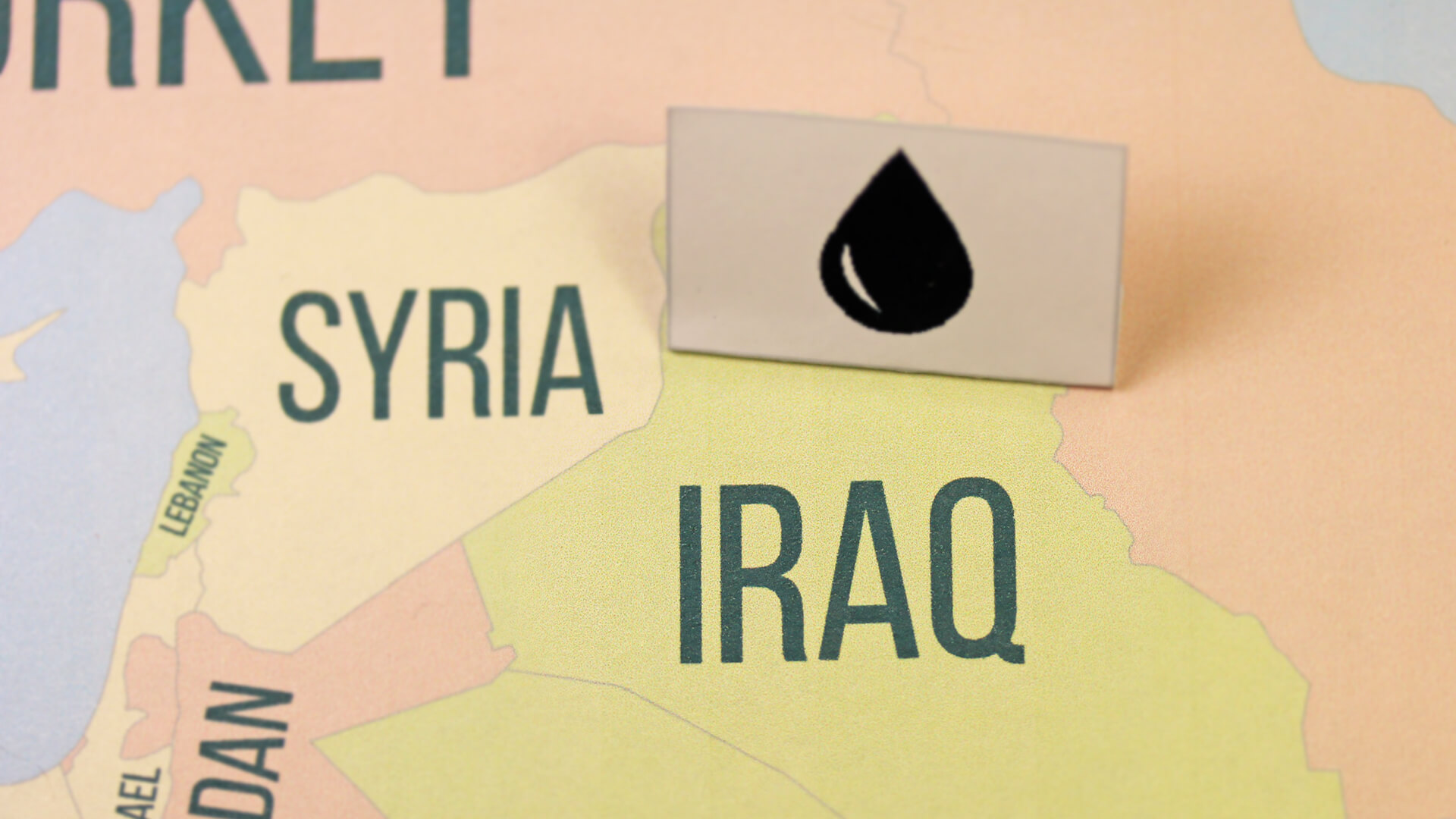
So a a few companies did move in, but it didn’t really work out for any of them, and they ended up moving out. That may may be changing now. The Trump administration has sanctioned Russian oil companies, most notably Lukoil, in this conversation, and Lukoil was the manager for a really easy, shallow, huge field called West Qana two, which is in the southern part of the country near the secondary capital of Basra.
And after 20 years of operating in the country, they were able to get oil production there up to about 450, maybe almost 500,000 barrels a day. But now they’ve been sanctioned and they can’t US dollar markets. And if you’re producing crude for export, it’s all denominated in US dollars. So they have basically had to shut themselves out.
So the field was nationalized by the Iraqi government. It’s currently being managed by something called the Boss Route Oil Company, which is a state entity, and they have entered into negotiations with America’s Chevron to take over the project. Now, none of this is done. There is no ink to even be dry yet, but, Chevron is in the first position to enter negotiations.
Take it over. And the current expectation we’ll see is that a year from now, they will be the sole operator, or maybe in league with the Iraqi government. This would be the single largest asset that Chevron has picked up internationally in quite some time. Almost a half a million barrels a day. And unlike Lukoil, which doesn’t have great technology or capital access, Chevron is one of the big five of the world.
And we would probably see the West kind of two project expand to over a million barrels a day in a very short period of time, probably no more than five years. It’s a technically simple field. It’s large, it’s close enough to a population center to be able to tap labor, but not so close to be a security problem.
And it already has an existing pipeline going to the coast, and it already has an offloading facility. So in terms of supporting infrastructure, everything that it would need is already there. About the only obstacle at this point is would have to be ratified by the Iraqi parliament, which can be a little snarly, and that will depend upon relations with the United States.
But one of the things that prevented American companies from getting involved the last time around is that the only real stable part of the country was up north in Kurdistan. And so that’s the first place people went to sniff around. Well, Kurdistan is viewed by the rest of Iraq as secessionist. So if you cut a deal with the Kurds in the north, it was very difficult to get a deal on the south, on top of that, the technical challenges for the fields in the North were really, really sticky.
And if you wanted to get the crude out, you either had to send it north through Turkey. And the Turks hate the Kurds and the Kurds hate the Turks. Or then you had to send it south through the Arab part of Iraq. And they didn’t like the Kurds anyway. So basically anyone who took the early deals with Kurdistan, lost out on the South, independent of the fact that the South was a difficult operating environment.
But no longer applies today. And Chevron has no assets in Iraqi Kurdistan. So from a geopolitical point of view, this actually seems to be set up to be a meaningful deal for Chevron, which, considering they’re probably going to lose what they have in Kazakhstan because of the Ukraine war, from them is a fantastic development. They’ve always kind of been second fiddle to Exxon.
This is one of those situations where they might actually have a significant leg up.