

I hate to say it, but we still haven’t located the fountain of youth. Unfortunately, that means there’s no current medical breakthrough that will meaningfully reverse the global demographic problem.
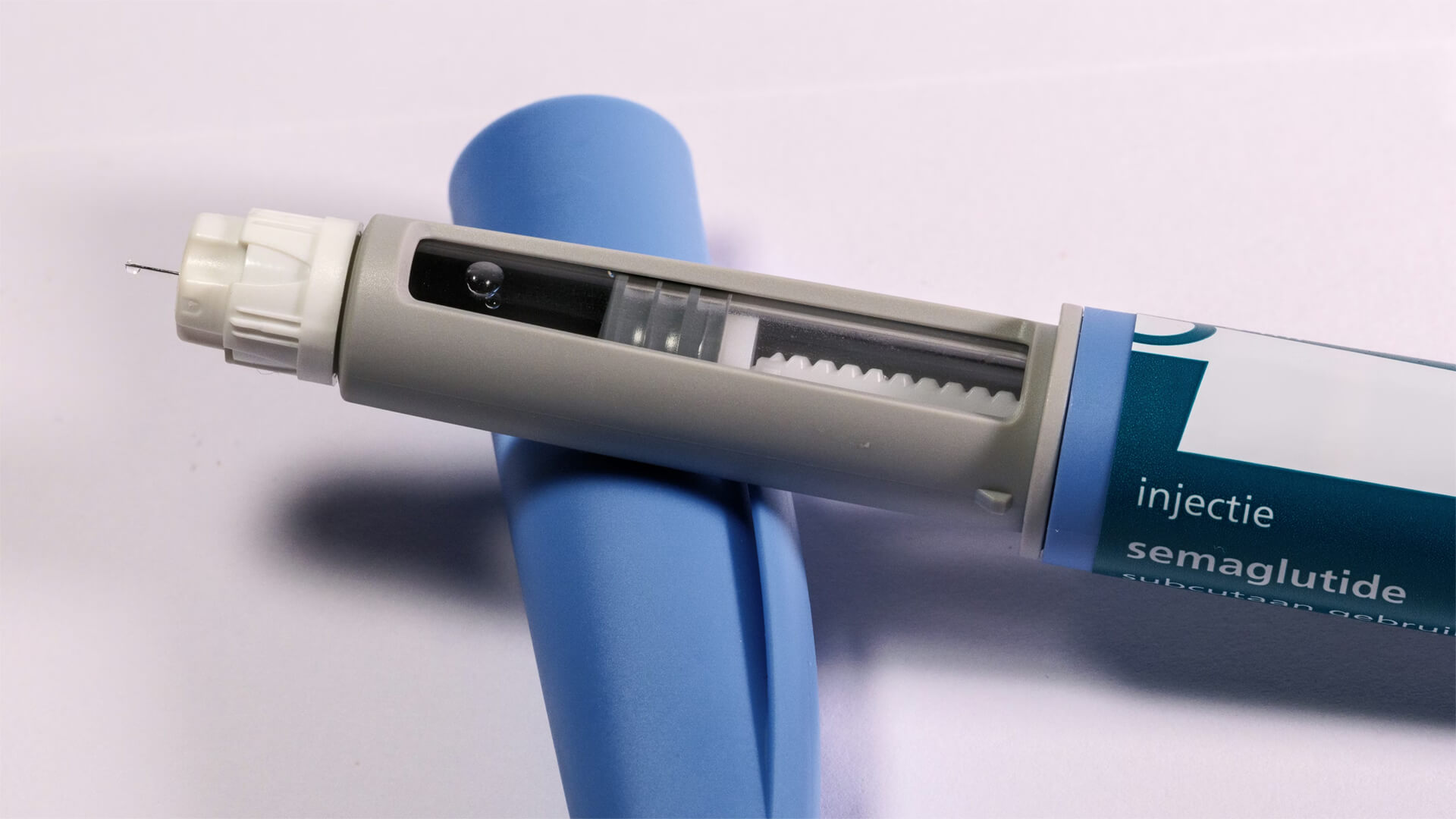
It’s probably too late for all the boomers in our lives, but there is one class of drugs that could potentially improve long-term health: GLP-1s (aka Ozempic). These reduce obesity and inflammation by mimicking the hormone that slows stomach emptying and makes you feel full for longer. However, these drugs are too new and expensive to count as a solution.
Some countries are going to be worse off than others, especially those that lack a large enough young generation to replace retirees. At the end of the day, the only proven way to extend healthy, productive lives is a lifelong investment in health.
Transcript
Hey, all Peter Zeihan here. Coming to you from a slightly chilly Colorado. Today we’re taking a question from the Patreon page. And specifically, are there any medications out there in anti-aging or anti Alzheimer’s that I think are going to change the math when it comes to global aging, specifically in the American and the Chinese context? Short version is no longer version.
There is something called monoclonal antibodies. The idea is it destroys or inhibits the growth of the, the bad cells in the brain, basically, that contribute to dementia and Alzheimer’s specifically. But they are fabulously expensive and they really are do a job of what they say they do. According to the literature, which is all glow, it only reduces cognitive decline by like 30% over an 18 month period, which is not enough, really, to move the needle in any meaningful way.
The problem is, is starting about age 59 or 60, we all start going through a cognitive and physical decline, and it really accelerates at age 62 to 63. And then that’s one of the reasons why we retire at age 65, and why a lot of people take early retirement before that. So if you really want to solve this problem from a demographic issue, a labor force issue, a tax receipt issue, you have to extend the age of retirement well past 65, at least to 70.
And you need a medical treatment that allows people to be productive for all of that extended period. Remember, people are already starting to slip before age 65. There’s also an issue of timing. Remember that the baby boomers, the largest generation in American history, are mostly retired already, and the youngest ones are already 60. So you’re talking about less than one quarter of the cohort.
If the drugs were ready today, could have their working lives extended for a few years. For most of them, it’s already too late. And the next generation down Gen X, it’s my generation. There just aren’t enough of us to really move the needle, even if we all could work an extra five years. And I assure you, we do not plan to.
As for the rest of the world, the situation is actually far worse because in the United States at least, our baby boomers had kids. We know those as the millennials. And maybe these technological leaps, these drugs that don’t yet exist, will exist by the time it’s time for the millennials to retire. That’s another 20 years from now. But for the rest of the world, there really isn’t a millennial cohort.
So the people who are retiring right now in Japan and China and Korea and Taiwan and Germany and Italy and all the rest, you know, this is it. And so if the drugs aren’t ready today, it’s already too late. Now, there is one, one medication out there that may, may make a difference. And that’s this class of drugs that is represented broadly by Ozempic.
The idea that you can have people lose a lot of weight real quickly. Well, you know, being overweight, having cardiovascular disease, having heart congestions, that’s not good for your health. And if these drugs do end up working in the long run, as advertised, they can reduce inflammation throughout your body and keep your body weight down. Well, there might be a conversation to be had there, but these medications are new.
They’ve only been around 2 or 3 years for any practical data, and we just don’t know what the long term impacts, good or bad, will be. So even if they were immediately one tenth the cost that they are right now because they’re very expensive. And even if we could apply them at mass, and even if they were 100% positive with no side effects, very doubtful for all of those things, it’s still only a maybe because we just don’t know yet.
But for the Americans and the Chinese, where their equivalent of the baby boomers already one foot into retirement, no, it’s too late. We don’t even have a drug that’s on the horizon at the moment. That looks like it can solve the problems that we need to. About the only approach you can take is what they’ve been doing in Korea into a lesser degree in, say, Scandinavia, where they focus on human health from birth.
The reason why the Koreans and the Swedes and the rest in that class live so long is they get a lot of exercise, they have a very good diet, and they have a high standard of emotional living writ large. It’s not very sexy, requires a fair amount of elbow grease and you have to start young. But that is still the only and best way to extend life that we’ve figured out so far.