
For the first time in the 2026 conflict, the Iranians have placed limpet mines on ships. This represents a fundamentally different sort of sabotage that is functionally impossible for the US Navy to prevent.
Transcript
Hey everybody. Peter Zeihan here, coming to you from Colorado. It is the 30th of December of Friday. And today we’re going to talk about what’s going on in the Persian Gulf, because we have a new type of attack that is really going to complicate things for everybody. The backstory, of course, is that using hooks and crooks and a little bit of misdirection, there is now a sizable volume of crude coming out of the Persian Gulf on a semi reliable basis. By most reports were above 80% of levels. What’s happening is the major powers in the Arab side of the Persian Gulf, Kuwait, United Arab Emirates, Saudi Arabia are using their own crude carriers to transfer crude outside of the Persian golf. And then they do a sea to sea transfer. And then it goes to another tanker that takes it on to East Asia. That costs anywhere from 20 to $40 a barrel, which is not represented in the price of global crude. So someone’s paying for that. The people who are importing the crude, but it doesn’t show up in the financial markets. That’s piece one. That’s the background. What’s happened today is the Iranians used a speedboat to pull up aside a ship and place what’s called a limpet mine on the side of it and blew a hole in it. The United Kingdom confirmed that. Showed some photos and everything.
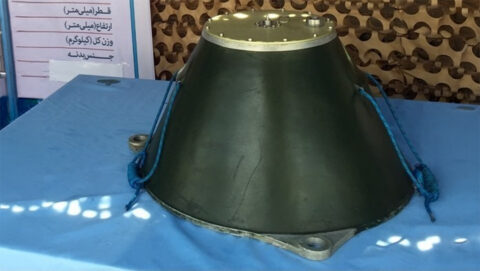
Limpet mines are, by naval standards, a relatively new weapon were first developed in Italy in World War One, really came into their own in World War two and the Cold War. And the idea is you send in a boat or a small subsea device like, say, a modified torpedo with a person in it, a frogman, and then they attach limpet mines below the surface of the water. It’s largely deniable. It’s cheap, it’s effective. It can cause a huge amount of damage. That’s not quite what the Iranians did. The Iranians did something that’s a lot more like what happened during the Iran-Iraq war, back in the 1980s, with the whole motorboat thing. And then you attach it above the waterline, because obviously you would die if you tried to attach it below the water when the ship is underway. Anyway, what does this mean? Iran doesn’t have a navy. Iran, even before the war, didn’t have a navy. What it had was dozens, hundreds, maybe a thousand speedboats and not like militarized speedboats. I mean, sometimes these were just zodiacs, you know, things that you could buy at the aquatic version of Home Depot, whatever that’s called marine stores. Anyway, bottom line is that they have a harassing tactic strategy that lots of people like to be stressed about. You know, I don’t know if they come at us with 50 motorboats. What’s a destroyer going to do? Destroyer is going to shoot the shit out of them. That’s what’s going to happen. But what would never work against a U.S. military asset works really well against a civilian commercial ship with no defenses.
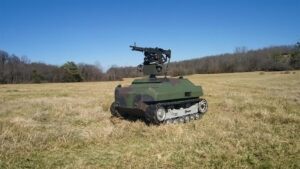
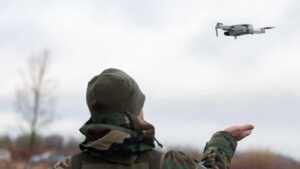
So there’s kind of three things you need to have in your mind as the Iranians are starting to tap into this toolbox. Number one, conventional commercial shipping in the Persian Gulf. It’s probably going to collapse if they do this at all in the next week. Anyone who is not state owned is probably just going to avoid the region completely, because there’s just no real defense against this, unless you’re going to go through a significant change in how you operate. Which brings us to two, a significant change in how you operate. If you’re going to operate in zones like this, you have to have on board and answer to tactics like this. And that means some sort of quasi militarization of commercial shipping. The Ukraine war has shown us that for relatively low cost, you can have a drone network both for detection and for attack, first person drones specifically. So that’s a possibility. But really, at a minimum, you’re going to have to have people on the deck with weapons watching. And since this happened at night at 10:15 p.m. local, that means a degree of equipment that these ships are just not typically going to carry. Keep in mind that global shipping these days, most of the nationals that are running the ships are, say, Filipinos. They’re seafaring people. When it comes to commercial shipping, they are about one third of the total cruise on all commercial shipping globally. These are not people who come with military training. So you’re talking about an added expense for everything, on top of the insurance expense that is going to make a lot of zones very, very, very difficult. And that assumes that countries like Iran don’t. The anti to do more aggressive tactics. Which brings us to number three. There’s nobody there’s nobody nobody no nobody who has the ability to patrol the Persian Gulf in a way that can stop this in any meaningful way. The Strait of Hormuz is not far cross. You can make it there and back on a jet ski with a backpack of these limpet mines. The only way a few pounds each. You don’t even need a speedboat. The United States is spending right now about a half $1 billion a day to kind of keep the ceiling open for one specific sea lane. And that’s when the Iranians are not crossing left and right with speedboats put in on limpet mines. Preventing this is probably beyond the capacity of the United States. Because, remember, we’re not they’re not talking military targets here. They’re talking commercial shipping. It’s also well within the Iranians capabilities to go a little bit further across the Gulf and say, hit ships that are at anchor, and then you can put your limpet mine below the water level.
So how fast this all unravels is really up to the Iranians, because they’re the ones who are introducing the tactic. But there really isn’t a good defense against this at all. And the cost for the civilian shipping sector to try to cope with it is immense and will absolutely change the cost structure of how shipping happens, not just in this part of the world, but in any part of the world where there is a degree of violence, which should be something that you’re at least quietly getting ready for all ready, because we’ve been going in this way, going in this direction for quite some time now. All right. Hopefully it doesn’t all fall apart over the weekend, but until then, see you guys next time.