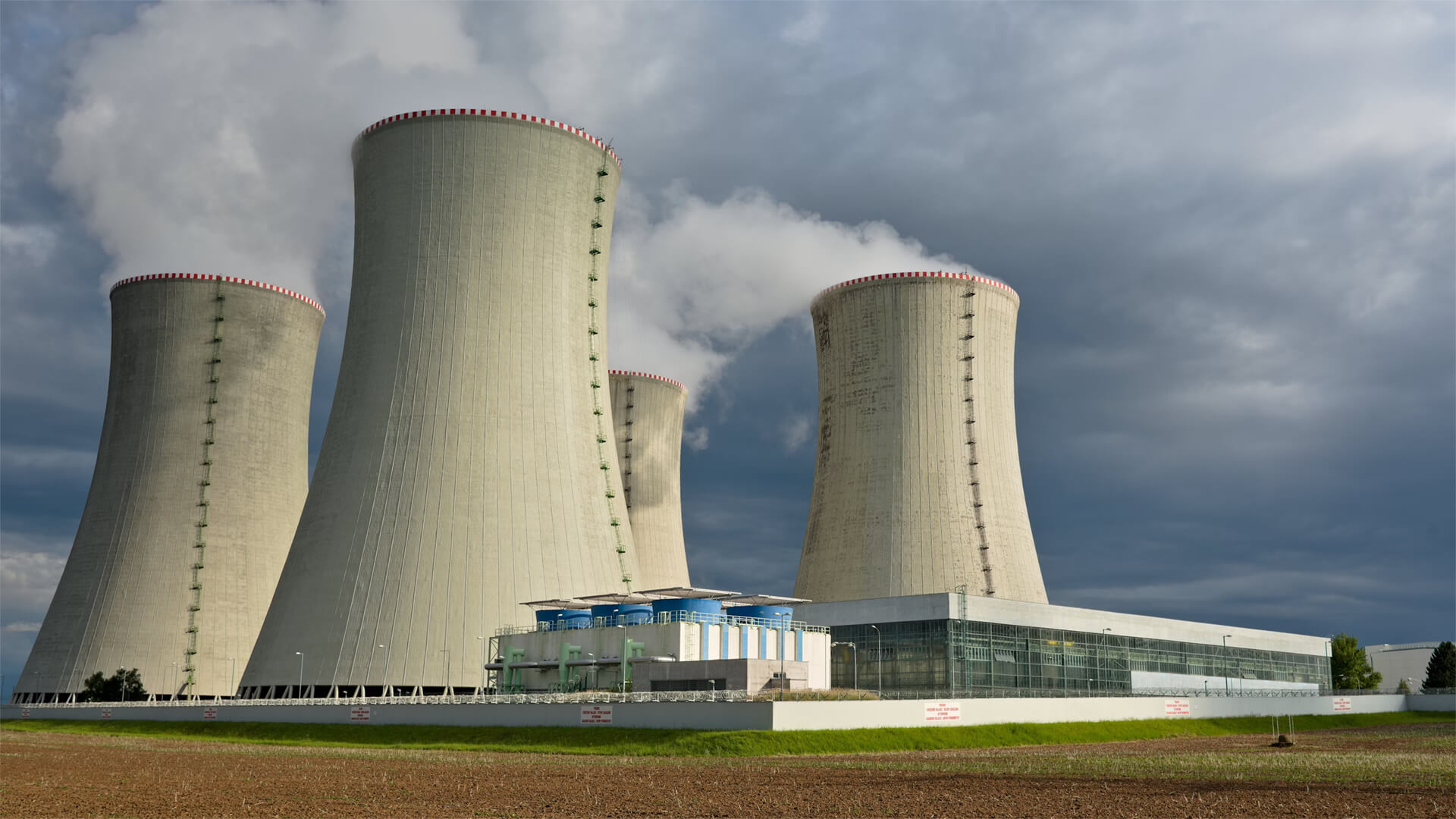

Japan is restarting the world’s largest nuclear power plant, after a 15-year shutdown following the Fukushima disaster. Nuclear power used to account for over 30% of Japan’s national electricity, so seeing these reactors come back online restores a key pillar of Japan’s energy system.
Japan’s mountainous terrain forced each region to establish large, redundant energy systems; therefore, the return of nuclear power gives Japan surplus capacity and flexibility in an otherwise stagnant environment.
With the global energy trade growing more unreliable by the day, Japan is now better positioned than most to weather the storm.
Transcript
Hey all, Peter Zeihan here. Coming to you from Colorado. Windy day. Today we’re and talk about the energy system in Japan because the Japanese just turned back on the world’s largest nuclear power plant. Now, if you remember roughly, what’s it been 15 years ago now? Almost. There was a really bad earthquake in the Sendai region of Japan, which generated a Sunni army which flooded a large power plant that happened to be on the coast.
Note to self, don’t put up nuclear power plant on the coast on a fault line. Anyway, because of the partial meltdown, because of the damage, because of the radiation leak. Because it’s nuclear power. The Japanese shut down every single nuclear reactor they had until they could complete a series of safety tests. And a lot of those power plants didn’t do so well on the first round.
Anyway, fast forward 15 years later, more and more of them are opening back up. And now this new large one is as well. Which means I think it’s a good time to talk about what the power system in Japan looks like, because it is giving the Japanese a lot of options that other countries don’t have. So Japan is an archipelago, lots of islands, some bigger than others.
But what all of their cities have in common is they’re backed up against really, really rugged terrain, mostly mountains, and a pretty steep ones at that. This is shaped the political culture of Japan going back since the emergence of the Japanese, ethnicity well over a millennia ago. And it means that most Japanese, in a manner somewhat similar to Germans, having a local identity more than a national identity, from many points of view, because they’ve basically spent time immemorial competing with one another, but oftentimes having a hard time reaching one another.
So you have a very, very strong local customs, traditions and identities. What that means for the power system is that you can’t link together two prefectures in Japan with power, infrastructure, because the terrain is too difficult. This is not linking Iowa and Minnesota together. You have to go up and over mountains to get from one little enclave on the coast to the next one.
And what that means is each major city in Japan, you shouldn’t think of it as a city. You should think of it as its own thing, its own almost country from an infrastructure point of view. So if you have to do that, you can’t rely on piping in wiring and power from your neighbor. So you need excess supply.
So you build power plants that you expect to never use. You do ones that burn coal or natural gas. You have your nuclear power plants. Maybe you do a little solar, wind or tidal if you’ve got the right environment for it, maybe even put up an oil burner, which is something that usually not even third world countries would do.
But the point is, if one of them goes out, you have a backup plan. Now, since the Sendai earthquake, Japan has taken one of those pillars of its energy security nuclear and just taken it completely offline. It used to be 30 to 35% of national demand. That is now coming back in a very big way. At the same time, the Japanese economy over the course of the last 30 years has been fairly stagnant, so power demand hasn’t moved too much.
So you have this large oversize energy system for each individual part of Japan, and they’re now getting one of their major sources back. So if you fast forward a few months, a few years into a world that is more disconnected, where things like energy trade are not nearly as reliable, all of a sudden the Japanese have a lot more options than other countries.
Yes, they still have to import the vast majority of their energy, but they don’t really care where they get it from, and now they don’t really care what it is. So even in a world where energy supplies break down as long as there’s something that works, the Japanese are going to be okay. And that’s a lot better than what I can say about a lot of the countries out there.