
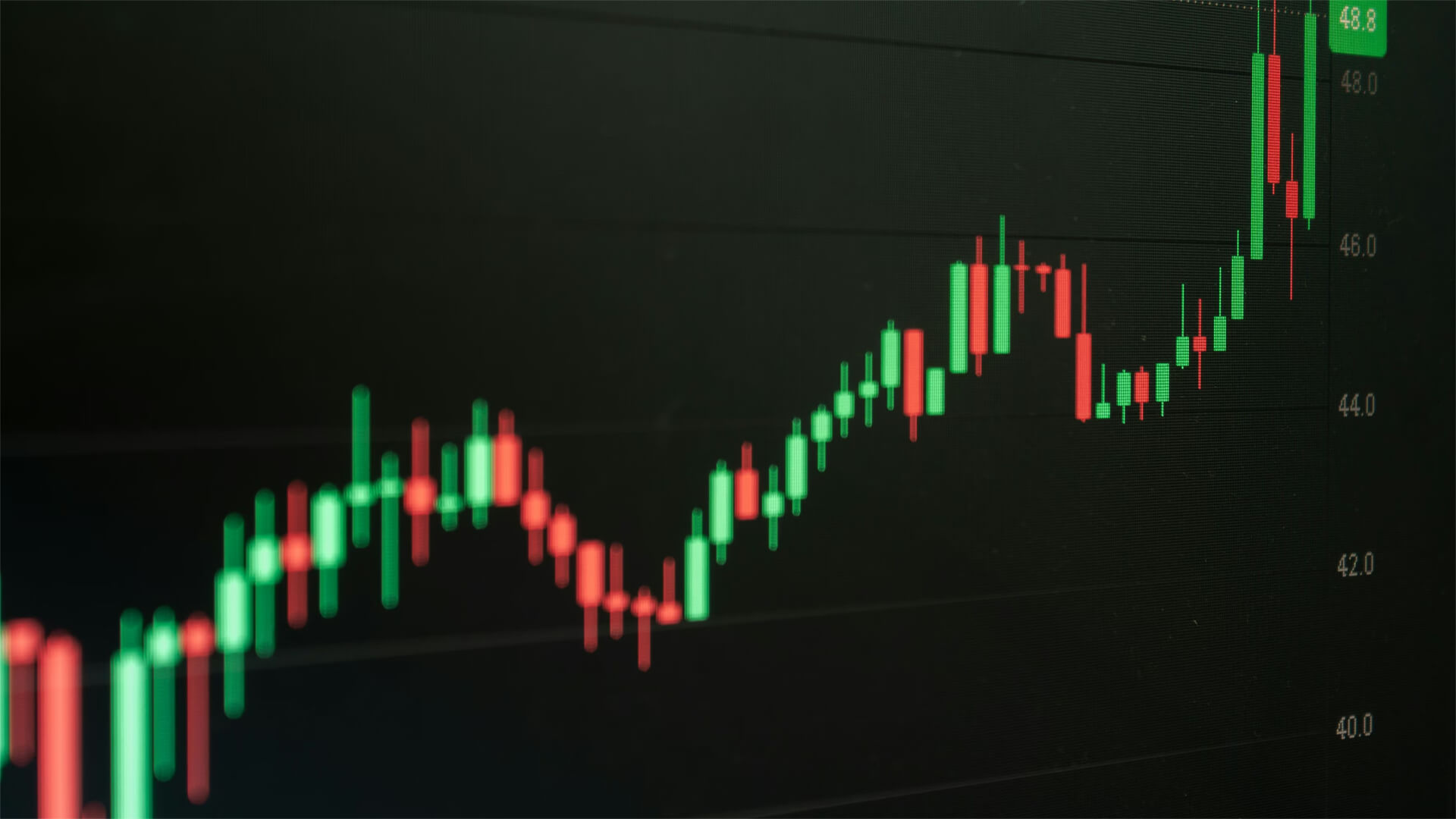

Before you get too excited, NO, I’m not giving away any financial advice. However, whatever the global markets are doing right now doesn’t match the physical reality of the Iran war.
We’re seeing major disruptions, yet prices and trading patterns reflect high confidence that everything is fine. That’s far from the truth. A quarter of globally traded oil is gone. Key industrial inputs are gone. Refineries in Europe and Asia are stuttering due to supply issues. Commercial and strategic inventories have been tapped.
The discrepancy comes from the way markets are designed; they’re meant to respond to marginal changes, not a catastrophic loss in production capacity. Markets just don’t know how to factor that in and price it appropriately. And sooner or later, reality is going to catch up to everyone…
Transcript
Hey, all Peter Zeihan here, coming to you from Colorado. Today we’re going to do something a little different and talk about markets. Don’t worry, there’s no trading advice in this. I don’t do that. But markets have been very, very strange since the Iran wars started. They’ve been gyrating but really have not shown any understanding of the threat that we have been facing.
We have roughly one quarter of all internationally traded oil that floats on the water that has not simply been disrupted, but is gone. Even if the war were to end the second, most of that’s not going to come back on before the end of the year. Some of it will be gone for a couple of years. That’s before you consider natural gas or alumina or aluminum or fertilizer or the various products that come out of gutters, natural gas processing facilities, these things, these things are gone.
We now have a weapon system in place that has a reliable range of 600 miles, which is triple what they need in order to disrupt things on the other side of the Gulf. They are difficult to jam, they are difficult to intercept. And with the technologies in place and in existence at the time, it can’t be done at cost in any sort of reasonable cost.
The markets are pretending to themselves that we are simply hours away from peace and going back to things as they were before, and with every Trump troop social post, we get gyrations up and then something like, say, the United States hijacking a supertanker comes along and we barely get a response. This degree of retardation in the markets makes very little sense to me.
And then I thought about it a little bit more. It is because the markets are being presented with something they’ve never been presented with before. You see, since 1945, we’ve had a globalized system where the United States upholds what makes it all work. And I remember that whenever I walk into a room full of finance people explaining that the world after 1945 is based on American security guarantee, this is something that surprises them.
In the United States, the idea that economics for the US is a subset of security is something that really never gets processed, and the financial crowd is arguably either the top or the second most globalized of America’s industries. So for them, the idea that the entire underpinning of their sector is now gone is something that really takes a while to get their mind around.
And so the money keeps flowing. So stock markets are stable to up all prices despite the gyrations have been trading within a reasonable band. And we haven’t seen anything like the disruptions in oil markets like that we saw back in 2007 at the dawn of that financial crisis, and those disruptions were largely non-existent. The ones now are permanent.
So what is going on here for real, and what should we expect? Well, let me give you a few items. Just kind of file away in the back of your head. Number one, we are seeing reduced refinery runs across Europe and across East and southern Asia. This is not demand destruction. Demand destruction is when prices reach a certain point that people change their economic activity because they can’t afford the energy or what product, whatever it happens to be, that’s not what we’re seeing.
We’re nowhere near those 2007 highs that triggered real demand destruction. And that’s before you consider inflation index terms were barely half of that level. No, the refineries aren’t slowing down operations because there’s no demand. They’re slowing down operations because there’s no feedstock. We’ve had such a deep and ongoing disruption to energy outflows from the Gulf that over half a trillion barrels of crude now have not been produced, have not been shipped to port, have not been loaded on tankers, have not sailed out of the Strait of Hormuz, have not gone to their end destinations.
Which means that if we’re seeing refinery runs reduced, it’s not just that there’s not enough crude making it out of the Gulf, it’s that the crude oil reserves of the various companies and countries are being depleted to the point that it’s affecting refinery operations. We’re also seeing already reductions in things in shipping, most notably diesel. In the case of trucks in places like Australia or China or Europe, and jet fuel pretty much everywhere except for the United States.
That means that these shortages aren’t just a throughput issue. They’re not just a reserve issue. It’s a commercial inventory of refined product issue. And that sort of breakdown is something we have never seen in the post-World War II environment, not once. And markets don’t know how to price that, because how do you price a barrel of crude that is never produced in the first place?
What modern markets do is they look for price signals, slight changes in supply or demand from this market or that market or that subsector, whatever it happens to be. And then the price of crude adjusts around that, and that provides forward price signaling for things like producers. We are not seeing that because that is not happening. We have seen a gross dislocation of the structure of production and transport, and they don’t know how to price that.
Under normal circumstances, higher prices would stimulate more production. But most fields take somewhere between 4 and 11 years to come online. In the United States, that has shrunk down because of the shell revolution to weeks to months. But that just is at the wellhead. If you want to export crude to a world that can’t get enough of it.
Well, then you need export infrastructure. And you don’t do that in a day or in a month or in a year. Which means at some point in this year, we have a fundamental break between the reality of what’s going on in the ground with energy and this facsimile that exists in the financial markets. What we’ll look on the other side of that break, don’t know.
But two things. Number one, it’s coming soon because we’re reaching the point. There just isn’t enough product to carry out normal activity. And number two, I can guarantee you it’s going to involve rationing. And rationing is not something the market does well. That’s something that requires government intervention. And when that happens the question is what our markets what is their purpose then it’s supposed to be about the efficient allocation of capital.
But that’s not the world we’re about to be in. We’re going to be in a world of absolute energy scarcity and the financial markets arguably not going to be a player in that. Now, whether that’s a buy or sell trade, I will leave up to you. I don’t think it really matters at this point. One of the things that most people forget is over the long run of global history and the period before World War two, it was the nature of almost every market in existence to ultimately go to zero, as the foundations that allowed it to exist broke. Well, get ready return to the past later this year.