

The Fed is facing a catch-22. While they would typically lower rates when consumption and growth begin to slow, there are also competing policies that are shrinking the labor force and driving up costs via tariffs. Other countries have faced similar dilemmas due to demographic issues, but the US is in this pickle largely due to policy decisions.
With record deficits and no political will to cut entitlements, cooperation between Trump and the Fed isn’t going to happen. So, the Fed is stuck between a rock and a hard place…
Transcript
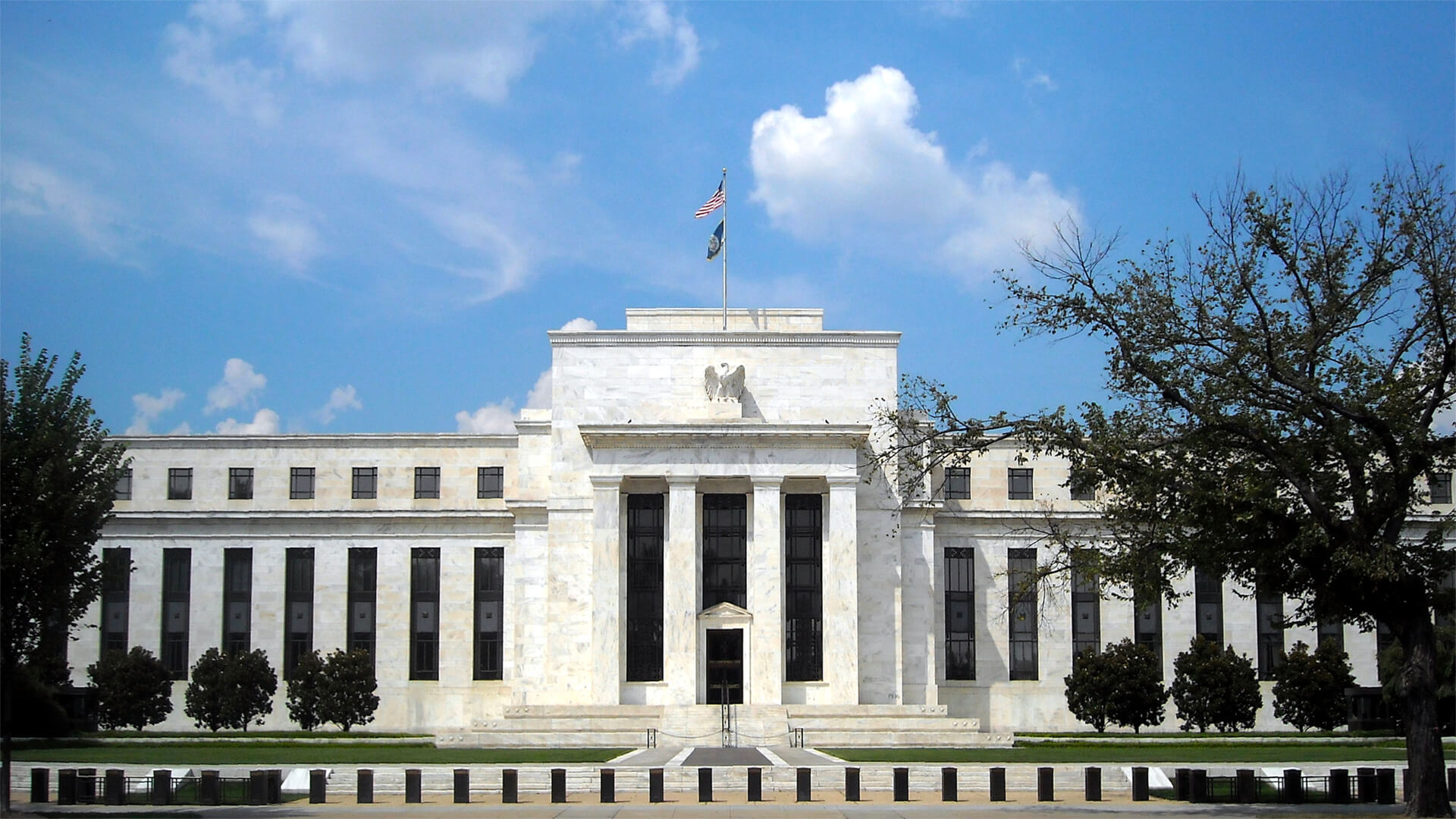
Hey all, Peter Zeihan here. Coming to you from a breezy Colorado. This week we have a Federal Reserve meeting in D.C. where they’re going to decide what to do with interest rates. The idea is, if you lower interest rates, you reduce the cost of capital, which spurs economic growth, whereas if you raise interest rates, you dampen demand, which tends to get inflation under control and balancing growth versus inflation.
That is basically why the Federal Reserve exists and why we have monetary policy in the first place. The real problem the Federal Reserve is facing right now is policy out of the white House. The combination of high and rising tariffs are increasing the cost of operation for American businesses and increasing purchasing costs for American consumers, which is reducing economic growth.
At the same time, anti migration policies the Trump administration has implemented is shrinking the labor pool to the point that the American population is actually expected to shrink this year for the first time in American history. And that is triggering inflationary pressures throughout the supply chain that are complemented by the tariffs. So tariffs like 50% tariffs on steel, aluminum, copper drastically increase the cost of building for, among other things.
And so the fed is kind of in a catch 22. The slower growth caused by the tariffs on the consumption side would seem to indicate that it wants to lower interest rates to spark growth, but the higher inflation, because of the tariffs and the immigration policies are raising the cost of everything or raising inflation, suggesting that the Federal Reserve should, if anything, raise rates in order to keep inflation under control.
And there is no way to win this, there’s no way to make everybody happy and there is no balance to be found. So the Federal Reserve is in a catch 22. Now, this is not a unique situation. If you go back to the last 20 years in Europe and Japan, we’ve had somewhat similar situation, but largely caused by demographic issues as populations age out of the 2030s and 40s and into their 50s, 60s and 70s, consumption naturally goes down and eventually you lose people from the workforce on the tax base altogether.
And when that happens, monetary policy is not nearly as useful tool. And you’re dealing with exactly these same issues, chronically lower demand and consumption because the population is getting poorer and older and ongoing inflationary pressures as the labor force shrinks. The difference between the European and the Japanese experience and the American experience is in the European. In the Japanese experience, it was primarily a demographic issue, whereas in the American experience, at least so far this year, it’s primarily a policy issue.
Now, what has happened in the United States in the past is the Federal Reserve chair has sat down with the American president to discuss priorities and what it takes to get what you want. This was most famously done by Federal Reserve chair, former Federal Reserve Chair Alan Greenspan and former American President Bill Clinton back in the 90s, where the discussion was, if you can keep the budget under control, if you don’t do a lot of deficit spending, then I, the Federal Reserve chair, can keep interest rates low and generate a boom which lasted for the better part of a decade.
Unfortunately, that is not possible this time around, and not just because the president doesn’t like the Federal Reserve chair. The other problem is simply that the fiscal deficit we have today is bigger than we have had at any time in American history, with the exception of a couple of hiccups during war time and getting that deficit under control would require basically eliminating Medicaid and cutting Medicare and Social Security by half.
That’s how overextended we are. So it leaves the fed in a no win situation. Governance is hard, especially when you’re a quasi independent institution like the Federal Reserve.