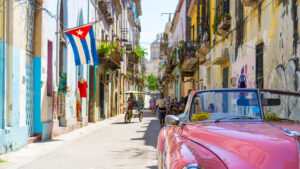

Collapsing fuel supplies have left Cuba with a severe energy and humanitarian crisis. While a single Russian fuel shipment bought them some time, with the lack of Venezuelan oil imports and the U.S. Navy restricting access, things aren’t looking good.
Cuba is now facing severe blackouts, which could spiral into even bigger issues. If nothing changes, food production and basic services could collapse as well. Once those things fall, the whole island goes.
Transcript
Hey, all Peter Zeihan here, coming to you from Umbria in Italy. And that’s the Trevi over there, I think. Anyway, today we’re talking about Cuba. You may recall that a lot has gone down in the American Cuban relationship, especially since the Americans went in and nabbed Nicolas Maduro from Venezuela next door a few months ago. Well, we’re again at a crisis point for the Cubans.
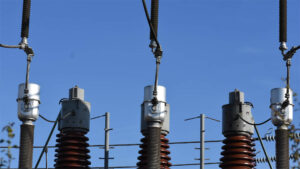
Domestic energy production is very, very, very low. They have a very, very small amount of electricity they can get from alternatives like solar, really only like a megawatt or two, and they need 100 times that. But most importantly, they run on fuel oil. That fuel oil used to come from Venezuela. That has gone to zero. And we now have a functional blockade in place by the US Navy against the island.
For the first time, really since the 60s. And it’s only allowed one vessel to come in in April, a Russian ship to unload fuel that bottom about three weeks. And now they are out. The energy minister has said that we’re completely dry.
They’re now limited to the energy they can boost themselves, which only covers about 10% their needs on a good day. And so we’re seeing rolling blackouts throughout the country that oftentimes last more than 20 hours a day, even in Havana, which is the least bad. They’ve had several days already this month where they’ve had a 22 hour blackouts. And with us starting to move into summer and electricity demand is going through the roof. We are looking at a potential civilizational event in Cuba, and because there’s no fuel, the normal release valve of crossing into Florida is somewhat limited.
You’d have to do it on raft. So we’re going to see two things here. Number one, when the energy goes, everything else goes with it, especially things like food production. So we are nearing a humanitarian catastrophe in Cuba. The hope of the American administration is that will trigger mass protests that will tear down the Cuban government. I don’t want to say that that can’t happen.
But number one, people have to be really desperate to go against a government that will shoot them. And there is not a lot of outside support from the United States coming to help them. And if you are in the leadership of the Cuban government right now, it really is all or nothing for you. There is really no alternative for leaving.
Second problem. Let’s assume that this works and that the Cuban government is overthrown or withdraws. When you break a society by turning off the energy, you can’t just turn back on the energy. You’re talking about a ground up reconstruction of the entire system that will be required because agriculture has failed, an industry has failed, and the United States is setting up itself up for a multiyear, multibillion dollar reconstruction program. Or you simply get a failed state near Florida that just sends spasms of migrants every once in a while as things get really, really, really, really bad
In a pre industrialized Cuba that is optimized for agriculture. You can probably support two, maybe 3 million people. That’s not where they are right now. They’re an industrialized system that is designed to produce a lot of sugar for export. And then they import things like wheat and corn and rice on the rest. And they have a population of 10 million.
So you’re talking about a massive overpopulation. If the lights stay off for any appreciable amount of time, regardless of what happens to the government. Which brings us to the final issue is negotiations with the American government. Trump administration very clearly wants the Cuban government gone, but it really, like everything else that has been doing recently, hasn’t thought about what happens the next day.
And so the tool that they’re using may well break the government, but it’ll break society as well, and not necessarily leave anyone that is willing to have a conversation with the United States, who can also then impose some sort of new order on the country. It’s rapidly setting the system up to be a protectorate. That would require a military intervention to install some sort of replacement system, and then rebuild the country from the ground up.
That best case scenario is a 20 year program. And while you can make the argument that for American security and in the long term, American economic strength, having a partnership with a friendly Cuba is a great idea. Getting from here to there, especially with this intermediate step of smashing the place first, is definitely the harder, more expensive way to do it.