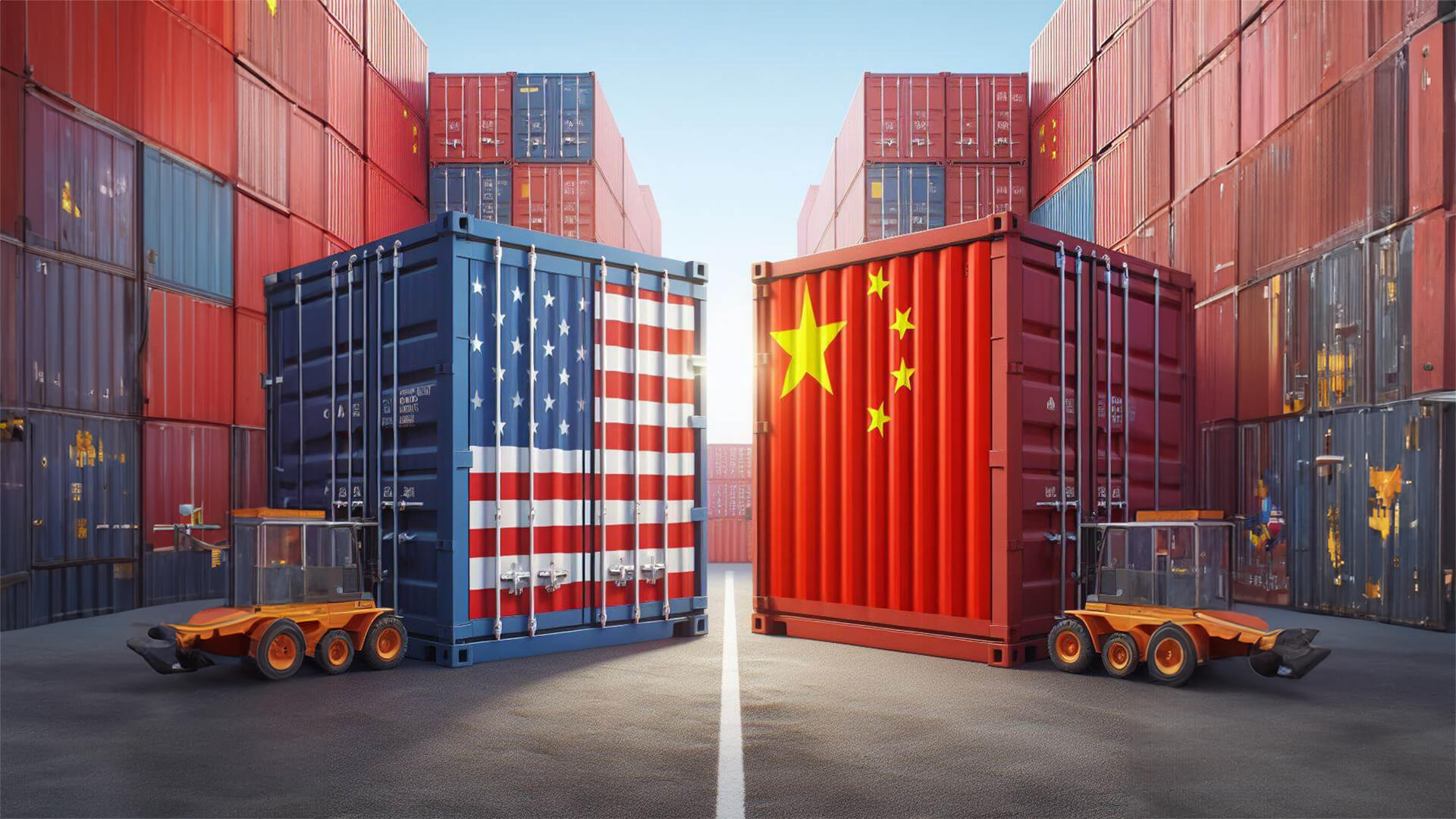
The Biden administration’s moves against China’s semiconductor industry are continuing to have serious consequences, including the largely universal resignation
As a rule I try to stay out of discussions about energy prices. Energy trading is a hectic business with a lot of stress, plagued by fleets of hot-headed issues that have nothing to do with supply or demand or technology. But that’s not the problem today.
As governments in Washington, DC and London and Paris took their time to push their respective populations to shelter in place, the novel coronavirus did what it does best: spread quickly and efficiently through dense populations, the sort of dense communities that define the US Atlantic coast and most of Northwestern Europe.
Before the coronavirus crisis, there were few underlying financial instabilities in the American economic system. There certainly were nothing like the massive bubbles in real estate markets in 2007. Nor was there the sort of broad industrial dislocations that triggered the 1979 and 1983 oil shocks.
I try to avoid US domestic politics in most of my work. In part because domestic politics are a loud and busy space, and it is easy to have your work get lost in the noise and rage. In part because – especially at the primary level – it is mostly fluff that doesn’t move the national needle.
After three years of drama, on midnight Jan 31 the Brits finally left the European Union. The next piece of the Brexit drama will be a decidedly non-European affair, instead being between a family debate between London and Washington.
The Philippine government this week began the formal legal process of ejecting US forces from the country and ending the US-Philippine alliance. Chinese involvement in the decision isn’t so much suspected as assumed. The few pundits who can tear themselves away from the American primary process are bemoaning another American strategic retreat.
Four things have popped up in the past 48 hours that are worth a look. First, we now have enough preliminary data to say some general things about the virus and the news is good: the virus is neither as deadly nor as communicable as the SARS virus from more than 15 years ago.