European efforts to build trade systems that exclude the U.S. are inherently flawed.
Without the U.S. Navy securing global trade routes, Europe will be limited in how far its trade network can extend. Given how protectionist the EU is, especially with agriculture, meaningful trade agreements will be difficult to negotiate. And even if they get through all of that, Europe’s slow and complex ratification process is no walk in the park.
The latest agreement with Australia will likely face a similar fate to the Mercosur and Canada deals, which took decades to finalize. Best case, this deal will take full effect around 2040…
Transcript
Hey, everybody. Peter Zeihan here, coming to you from Colorado. This is Pandora, the other cat. She’s a little louder when it’s meal time. Anyway, on the topic of things that are loud and annoying and sometimes take forever to do anything, let’s talk about trade deals with the European Union, because, wow, those are a shit show. So the big news is that in Europe, they’re trying to come up with non U.S alternatives to the international order.
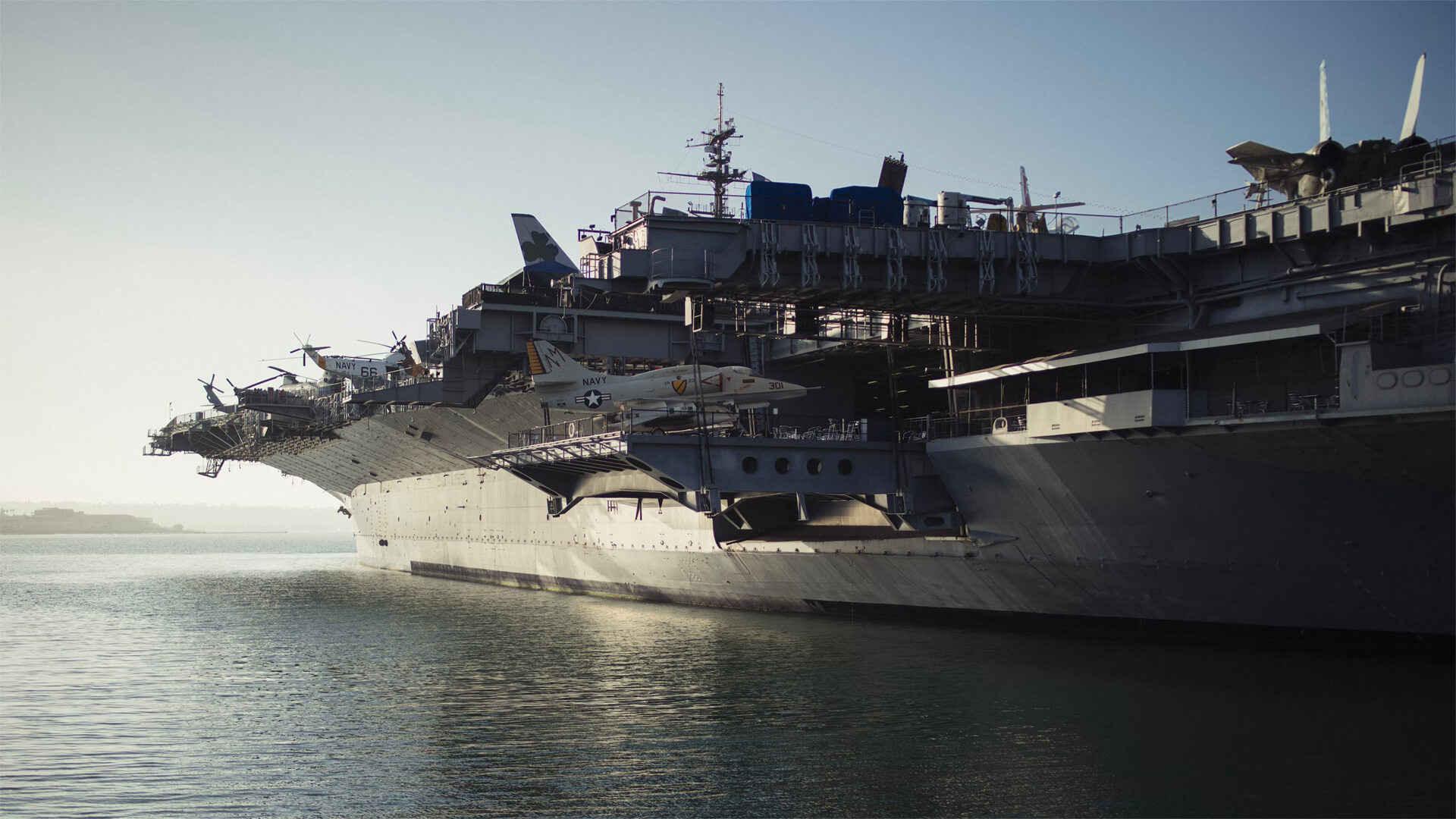
This faces three really big problems. First of all, there is no international trade without the US Navy. The Europeans absolutely do not have the capacity to project naval power very far past their own front yard. So if they want to trade with Turkey or Russia or North Africa, sure. But anything beyond that, they really do need the security that the US Navy granted.
So let’s just put that to the side. Number two, the Europeans are aggressively protectionist, particularly when it comes to agriculture and most trade deals that have been negotiated in the last 30 years have found a way to kind of leave that out of the equation. Which is a way of saying that they really haven’t negotiated many trade deals in the last 30 years.
Which brings us to the track record, the Europeans are so technical and so detail oriented and so emotional about the details. And then there’s a ratification process that we’ll get into here in a minute. That they can’t do anything quickly. So, for example, we now have a trade deal that has been negotiated with the Australians. And that was done in record time less than a year.
That’s really, really good. But the ratification process is a whole different question. So the deal that was recently ratified, with the Brazilians, the Argentinians, you know, the Mercosur bloc that was negotiated back around the year 2001, and they only now finish it. We had a Canada free trade agreement that was negotiated in the early 20 tens.
That took 11 years to get through. The issue is, not only does the European Union have to sign on, deliver the treaty. Each of the member governments and has to sign off, and some of those member governments require plebiscites. Some of them require regional legislatures, signing off. In the case of Canada was Belgium was the real sticker.
And we’re going to have something similar here now for the Australian deal because it’s very heavy on, as you might guess, agriculture. Australia is a massive agricultural producer, an exporter, and they have insisted reasonably that any trade deal that is going to access the raw materials also has to allow access for their trade goods, whether it’s beef or lamb or wheat or whatnot.
And we already have farmers across the European Union, including the trade associations and of course, the French saying that this deal has no chance of getting ratified. So if in the ideal situation, everyone ultimately lines up and teaser cross crossing eyes or dotted noses are counted and it goes through, we can look forward to the first large scale transfer of Australian goods to the European market in the year 2040.
I am not going to be doing this long enough for that to matter.