

The U.S. is pressuring Ukraine to avoid striking specific Russian energy infrastructure. As you could imagine, this all has to do with American economic interests.
Chevron and ExxonMobil have a stake in major Kazakh oil projects, which flow through Russia to be exported. Ukrainian strikes on any related infrastructure risk harming those American energy companies’ bottom line, and that simply will not do (even though Trump stopped providing military aid to Ukraine over a year ago).
Transcript
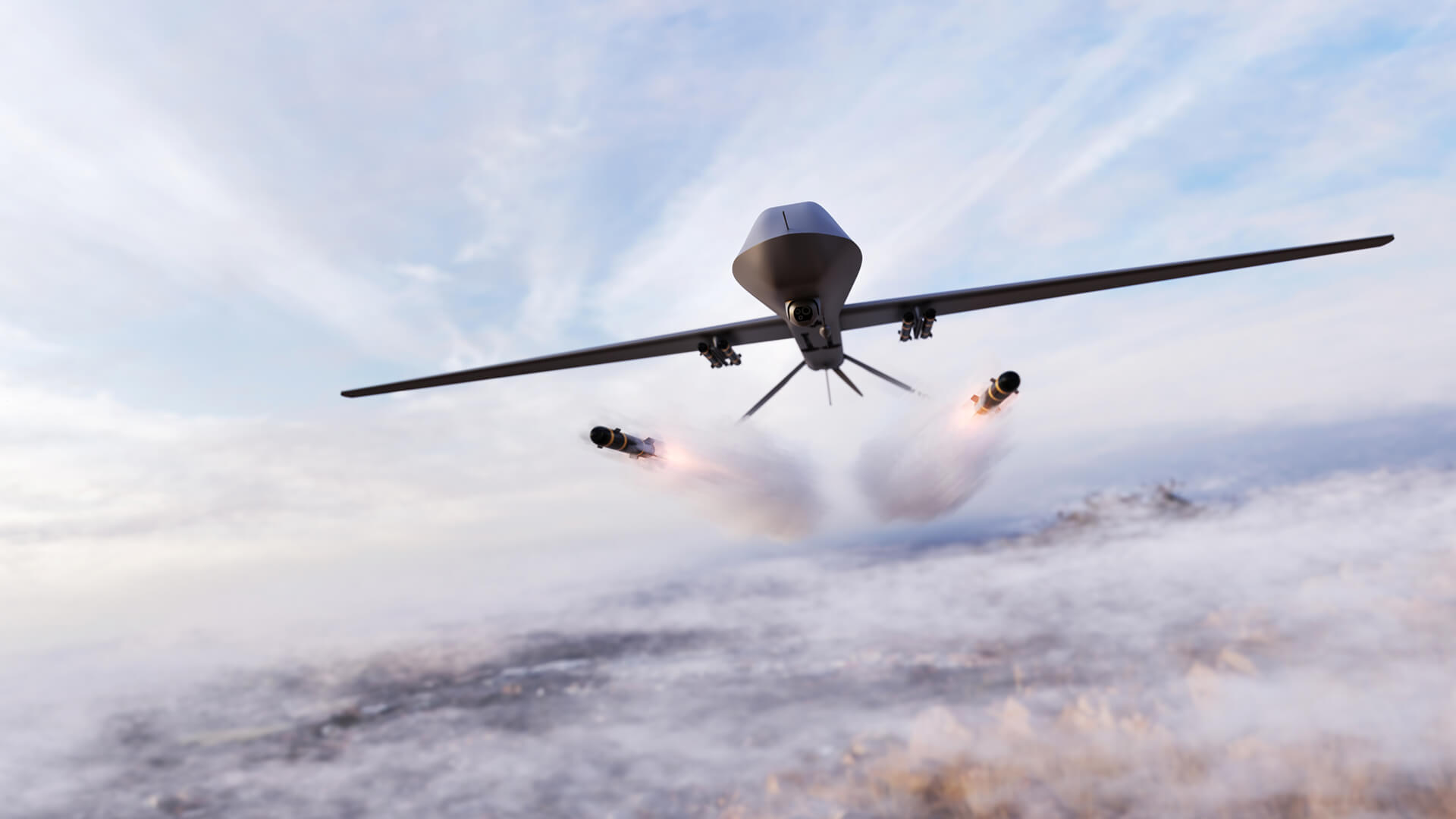
Hey all, Peter Zeihan here. Coming to you from Colorado. The news this week in Kazakhstan, of all places, is that the United States is starting to point its finger at Ukraine about the targets it’s supposed to attack in Russian territory. The issue is that over the last several months, Ukrainian drones have gotten more effective with better range and more explosive capacity and better accuracy.
And they’re now regularly targeting Russian infrastructure, several hundred kilometers. On the other side of the international border. And several of those attacks have struck an area called Novorossiysk, which is an oil loading facility on the Russian part of the Black Sea. The issue that apparently the American government has is upstream of that pipeline on the other side of another international boundary with Kazakhstan.
We have some investments by American super majors, and those super majors have gone to the U.S government and said, hey, hey, hey. And so the U.S government has gone to Ukraine, said no, no, no. The two projects in question are called Tengiz and Cash are gone. Now. Tengiz is the original foreign direct investment project by Western companies into the former Soviet Union.
So old that actually predates the fall of the Soviet Union, was negotiated under Gorbachev. And then Kazakhstan got it and it became a Kazakh project. It is a consortium that involves, Chevron, which has a 50% share. ExxonMobil, which has a 25% share, and then a series of local and Russian firms, it produces about what’s called 700,000 barrels a day.
On a good day, considerably below where it was supposed to be. But the problem with that project is the pipeline. C, the pipeline, comes out from Kazakhstan, goes around the Caspian Sea, crosses into Russia, and then uses a lot of old repurposed Soviet section. So it’s kind of jigsaw together before it gets to another SEC. And so the Russians have insisted that they be able to put their crude into the pipeline as well.
So while you do have a signal field that does produce a large volume, it’s kind of capped at what it can do because the Russians demand access to the pipe for the rest of the capacity. The second project, kasha gone is much more difficult. It’s offshore. It’s in the Caspian Sea. You only have one American company involved.
That’s ExxonMobil. They have about a one sixth share. It’s not doing nearly as well, but even it is getting up over a 400,000 barrels a day. So you put it together. You’re talking over a million barrels a day. This is this is real crude. And the overseas terminal can handle it. And then some. But it’s impossible for the Ukrainians to attack the Russian energy infrastructure that ends in overseas without it also being perceived by American companies that it’s impinging upon their, economic interests.
And so the Ukrainians are basically told, go attack something else. And that is exactly how the Ukrainians have interpreted it, not don’t attack energy infrastructure like the Biden administration used to tell them, don’t attack energy infrastructure for which American interests are involved. How this is going to go is going to get really interesting because when something loads up at an overseas port, you don’t necessarily know what it’s loading up with.
And as soon as Ukraine started going after shadow fleet tankers, more and more tankers are refusing to even go to Novorossiysk. So this is one of those six and one half dozen another. How do you define it? How are you going to enforce it? But the bottom line is, is that the United States is no longer contributor to Ukraine’s military defense.
And in the way it used to be. It used to be that the United States was the majority of the military aid and provided very little economic aid. They left that to Europe after a year of Donald Trump. The United States is still providing no economic aid, but is now providing no military aid at all. So how talks evolve among the Ukrainians, the Americans and the Russians is going to termine how the Ukrainians decide to leverage their military technology here.
There are a number of ways that the Ukrainians could go after pumping stations on different projects for, say, the Druze, the pipeline that used to bring in lots of crude into Germany.
But those attacks target facilities that supply crude to Hungary and Slovakia, which are two countries in Europe that are extraordinarily pro-Russian at the moment, to the point that they’re even shutting off fuel and electricity deliveries to Ukraine because they want to make sure they can still get Russian oil flowing through Ukraine.
So it’s we’re still dealing here with the detritus of the Soviet collapse, because it’s not just one empire anymore.
It’s 25 different countries across Central Europe. In the former Soviet Union proper. All of them have chunks of infrastructure that were designed for a different air and a different political reality. And Ukraine is just in the unfortunate part of being in the middle of it.
While under attack. There’s no such complications. However, further north, there’s another major pipeline system, the Baltic Pipeline network, that terminates near Saint Petersburg, which is just as big as what’s going on in over a sec. And as we’ve seen in recent months, that two is now within range of Ukrainian drones. More importantly, we have the Europeans that are in the process of negotiating how to go after the shadow fleets directly.
So we could actually have a number of NATO countries, ten of them who border this littoral, who could all of a sudden all decide on the same day because they tend to coordinate policies, that no more. And then you’ve got to have Denmark, Britain, Norway, Sweden, Finland, Estonia, Latvia, Lithuania, Germany and Poland all at the same time.
Same. Nope. It’s over and there is no way to redirect that crude somewhere else. And if you want to talk about something that’s going to hit Russia’s bottom line, that’s the way to do it. And now the Ukrainians are in a position where they may be forced to concentrate all of their long range attacks on one specific system.
I would not want to be running that system.