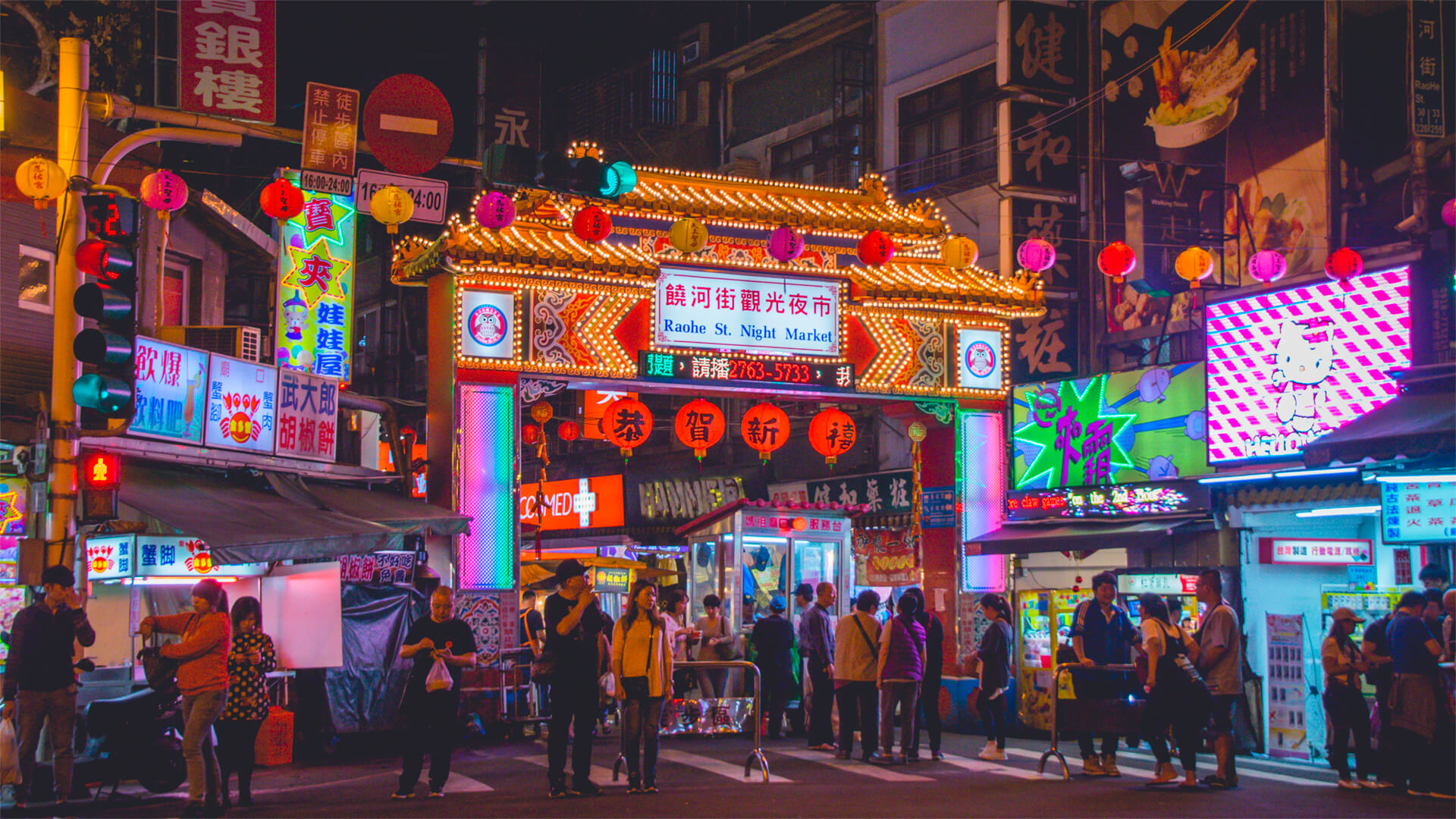
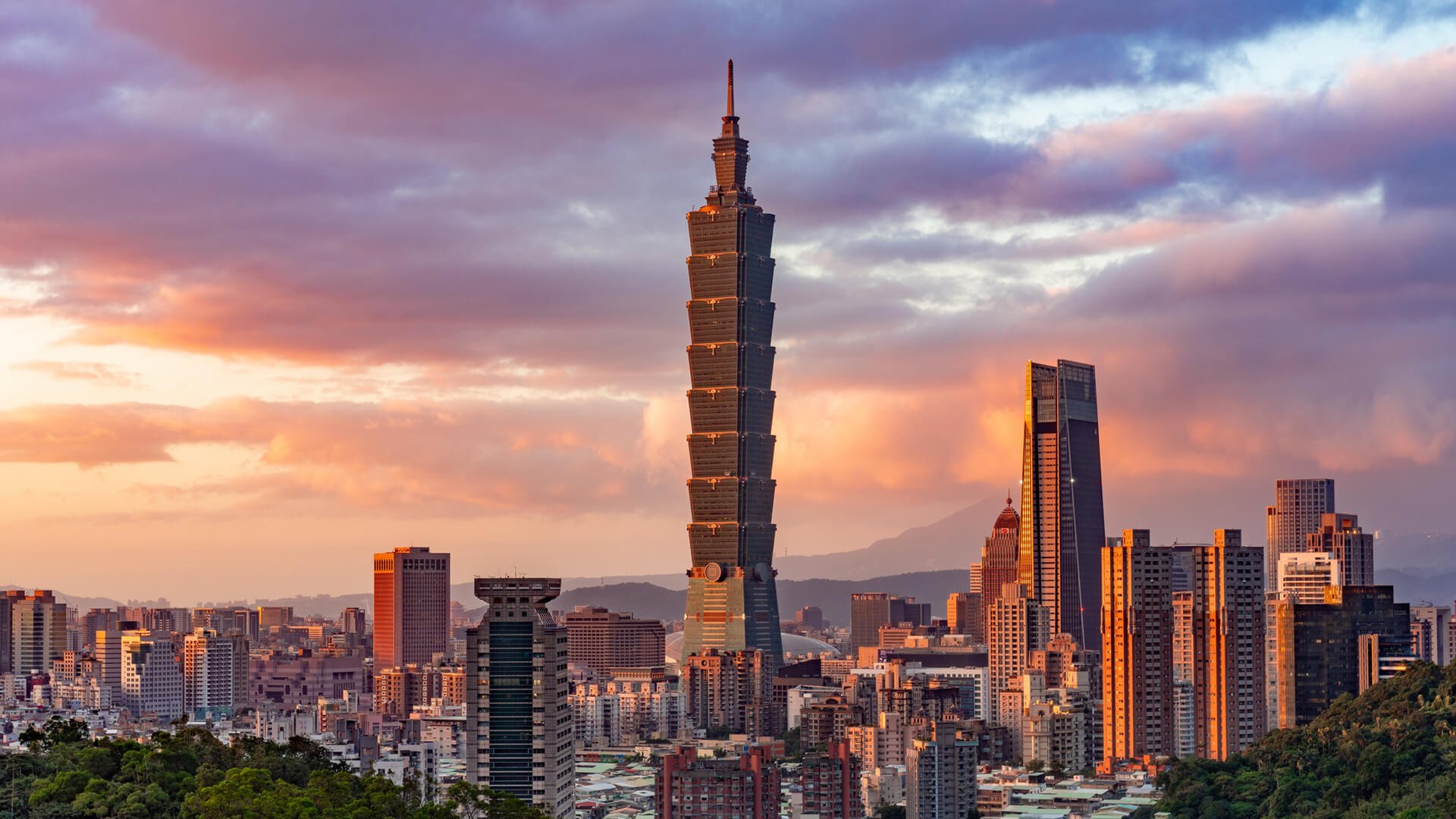
At the outset of the Russian invasion of Ukraine, there was significant concern that China would follow with its own invasion of Taiwan. With both Moscow and Beijing moving to secure what they consider breakaway states within days of each other, the United States–months away from its own messy pull out of Afghanistan–would be too caught in a lurch to react to either.
That obviously didn’t happen.
It’s not that China is not always considering how it can bring Taiwan back into the mainland’s fold. It’s just a question of what the scope of an invasion would look like, and what sort of consequences the Chinese will be brought to bear. The arithmetic and planning for both have changed sharply in recent months.
If anything, Russia’s bungled invasion of Ukraine showed the Chinese that there’s no quick or easy way to overwhelm a fortified and prepared neighboring state. Consider the fact that the Ukrainians have only really existed as a unified, functional post-Soviet country since the Russian’s first invasion of the Donbas in 2014. Taiwan has been preparing for a potential Chinese invasion for over six decades.
There’s also the obvious fact that Taiwan is an island. The Russians attempted to slow-roll a land based invasion from Russia and Belarus into Ukraine. China is going to have to move armor, soldiers, supply chains, etc across the Taiwan Strait or by air. En masse. This is something incredibly difficult and costly to do even for the best equipped air forces and navies. China’s remain largely untested.
And then there is the threat of international reaction. China’s proximity to the world’s most concentrated production hub of high-end semiconductors seems like effective leverage. And to some extent, it is. But China’s workers lack the skillset to design and build the high-end chips Taiwan is known for. And most of the R&D happens in the United States. While Taiwan’s plants would most likely shutter, one should keep in mind that much of China’s most valuable exports–high end electronics, smart phones, etc.–are reliant on these very same chips.
Which brings us to global consequences. The world is not going to take lightly to the Chinese upending the chip supply chain. Nor can China expect to avoid crippling economic consequences. Consider that outside of energy and extracted resources, Russia has not spent most of its post-Cold War life integrating too heavily into the global economy. China is the complete opposite. Whatever difficulties Moscow is facing with Western economic sanctions, China’s pain would undoubtedly be orders of magnitude worse.
We invite those of you who are interested to join us for our upcoming webinar, Inflation: Navigating the New Normal, on June 8th. More information at the sign up link below. Unable to attend the webinar live? No problem. All paid registrants and attendees will be able to access a recording of the presentation as well as a PDF of presentation materials.
Here at Zeihan On Geopolitics we select a single charity to sponsor. We have two criteria:
First, we look across the world and use our skill sets to identify where the needs are most acute. Second, we look for an institution with preexisting networks for both materials gathering and aid distribution. That way we know every cent of our donation is not simply going directly to where help is needed most, but our donations serve as a force multiplier for a system already in existence. Then we give what we can.
Today, our chosen charity is a group called Medshare, which provides emergency medical services to communities in need, with a very heavy emphasis on locations facing acute crises. Medshare operates right in the thick of it. Until future notice, every cent we earn from every book we sell in every format through every retailer is going to Medshare’s Ukraine fund.
And then there’s you.
Our newsletters and videologues are not only free, they will always be free. We also will never share your contact information with anyone. All we ask is that if you find one of our releases in any way useful, that you make a donation to Medshare. Over one third of Ukraine’s pre-war population has either been forced from their homes, kidnapped and shipped to Russia, or is trying to survive in occupied lands. This is our way to help who we can. Please, join us.