
The British-led effort to reopen the Strait of Hormuz by forming a coalition without U.S. involvement is just unrealistic.
Most countries lack the naval power to do this, and even if the coalition could assemble the ships needed, countering Iran’s drones and missiles would be extremely difficult. Protecting shipping and reopening the strait would require naval escorts and control of vast stretches of the Iranian coastline…not something this coalition could achieve.
There’s no path forward without U.S. involvement, and any resolution will inevitably have to be political.
Transcript
Hey, everybody. Peter Zeihan here. Coming to you from Colorado. It’s the what, 2nd or 3rd of April kind of lost track. It’s been a weird year. Anyway, the news we’re going to talk about today is the Brits attempt to build a coalition without the United States to go to the Persian golf and force open the Strait of Hormuz.
I heard that this meeting was happening. The first thing I did was get a good laugh. Problem number one, the way the global system was set up after World War two is the United States basically told everybody that you barely need a military, and you certainly don’t need a long range Navy. We will take care of all that stuff and allow you to trade with wherever you want in the world, which is something that only the major empires had ever been able to do, even in part before. Now everybody could do everywhere. If in exchange, we can write your security policies. And because of that, most countries gave up having navies at all.
And while the Trump policy of basic denigrating all of the allies and now abrogating that deal means that they’re all going to be developing their own navies, developing your own navies and having a navy or two different things. And if they all start right now, it’s going to be before the end of the decade, before any meaningful results are generated.
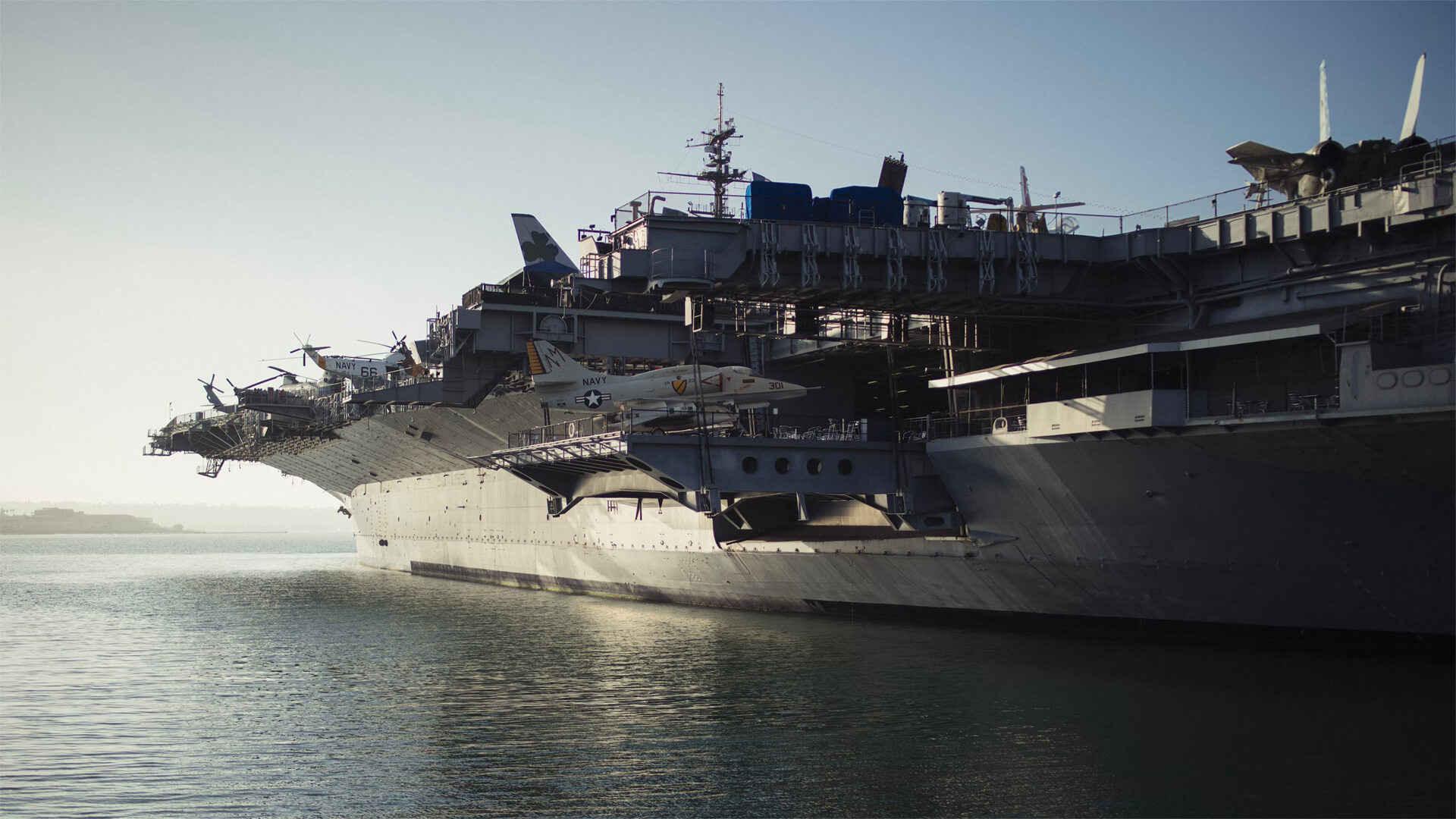
Which means that instead of looking at what people might want to happen, whether that be the Brits, Donald Trump himself or anyone else, we have to look at what hardware actually exists right now. What could it be? Use. And the answer is almost nothing. There are really only five navies in the world that are worthy of the name the United States, the United Kingdom, France, Japan and China. Of those two of them, France and China have very sharply limited range. Really, there are only three countries in the world with meaningful naval production capability that can reach the Persian Gulf from home. The United States, which is already there, Japanese and the French might be able to, but only if they can use Suez. And that introduces some logistical problems that I think would make it difficult.
So, number one, if everyone had a navy magically could transform their strike cruisers or whatever else into deepwater platforms, and if they could all reach the Persian Gulf, even then, all of that combined firepower would probably be less than what the U.S. already has on station. So just the volume of ships, the type of ships, the number of ships, just isn’t appropriate for this specific task.
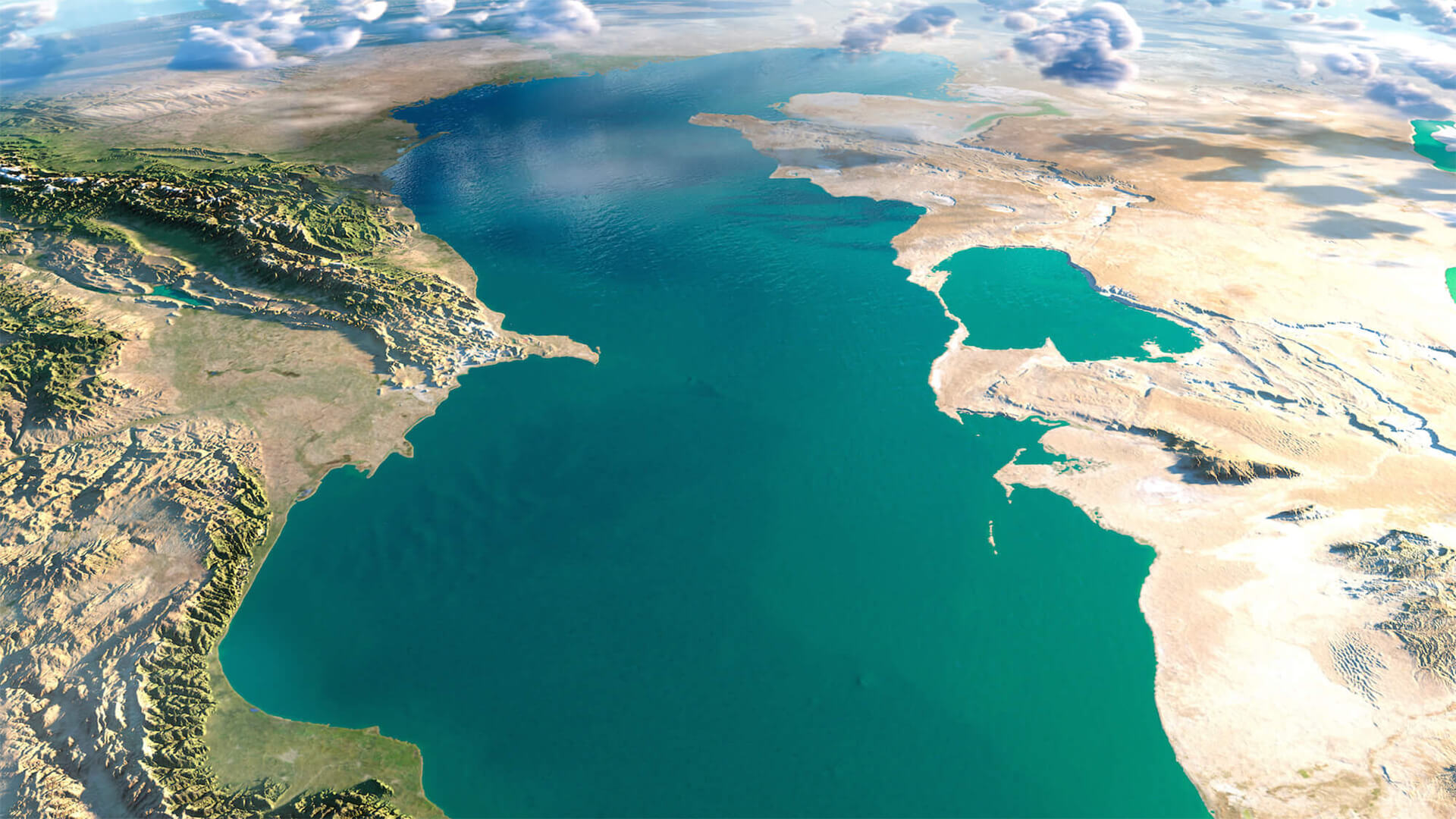
Second problem. What do you do when you get there? The problem is that the Iranians have established a sort of toll system where ships check in, get their paperwork, stamps, pay their money, and then the kind of class escorted by the Iranians through the Iranian sector of the Persian Gulf, instead of using the normal international lanes in the middle of the Gulf.
Ships that don’t do that risk coming under attack, but not by Iranian ships, because the Iranians don’t really have a navy, especially not after a month of war with the United States. So you’re talking about things like missiles and drones. Here’s the problem. A lot of these drones have a range of at least a couple hundred miles, the ones that you can actually micromanage.
The ones that you know, our fire and forget, those are more like 600 miles. So if you’re going to have any sort of meaningful escort in a hot security environment, you don’t simply need to get ships on station to escort, of which there aren’t enough anyway. You also have to be able to either bombard the coastline and most likely occupy it so that there can’t be spotters that could identify potential targets.
And the scale of that, I don’t think a lot of people have really wrap their minds around. Basically, imagine the coastline of the United States from roughly New York City down to Savannah. That is the length of the coastline in question here for the Iranian side of the Persian Gulf, where these ships are going through. The United States was to deploy its entire army to that zone.
Might emphasis on the word might be, are you able to occupy enough of that coastline to prevent spotters and launchers? But even that would be a bit of a toss up. But everyone else? No, there just aren’t a lot of countries that have any sort of meaningful amphibious capacity. That’s, a land assault from the sea, at all.
Much less enough to secure this. So if there is going to be a deal that removes the threat to shipping, it has to be a political deal with Iran. There really is no other option here. And even if there was, the rest of the world combined does not have the naval force to even pretend to enforce it. So we’re in one of those situations where every Joint Chiefs of Staff and every CIA director and every Defense Department secretary has warned every president since 1979 that if you do want to go to war with Iran, there’s a few things that are going to break that there’s really nothing we can do about.
So make sure you’re okay with those consequences. But the Trump administration, Donald Trump, personally chose to ignore all of those warnings. And so we’re here in a situation where I’m laughing at the Brits for even pretending to have a meeting because there is not a military solution to this problem. The best scenario we have now is that Donald Trump decides, okay, we’re all done.
We’re pull out of the region completely. And the Iranians just say bygones and move on. And I think we all know enough about the United States and about the Middle East to know that that’s not a particularly likely outcome.