
Understanding American Success



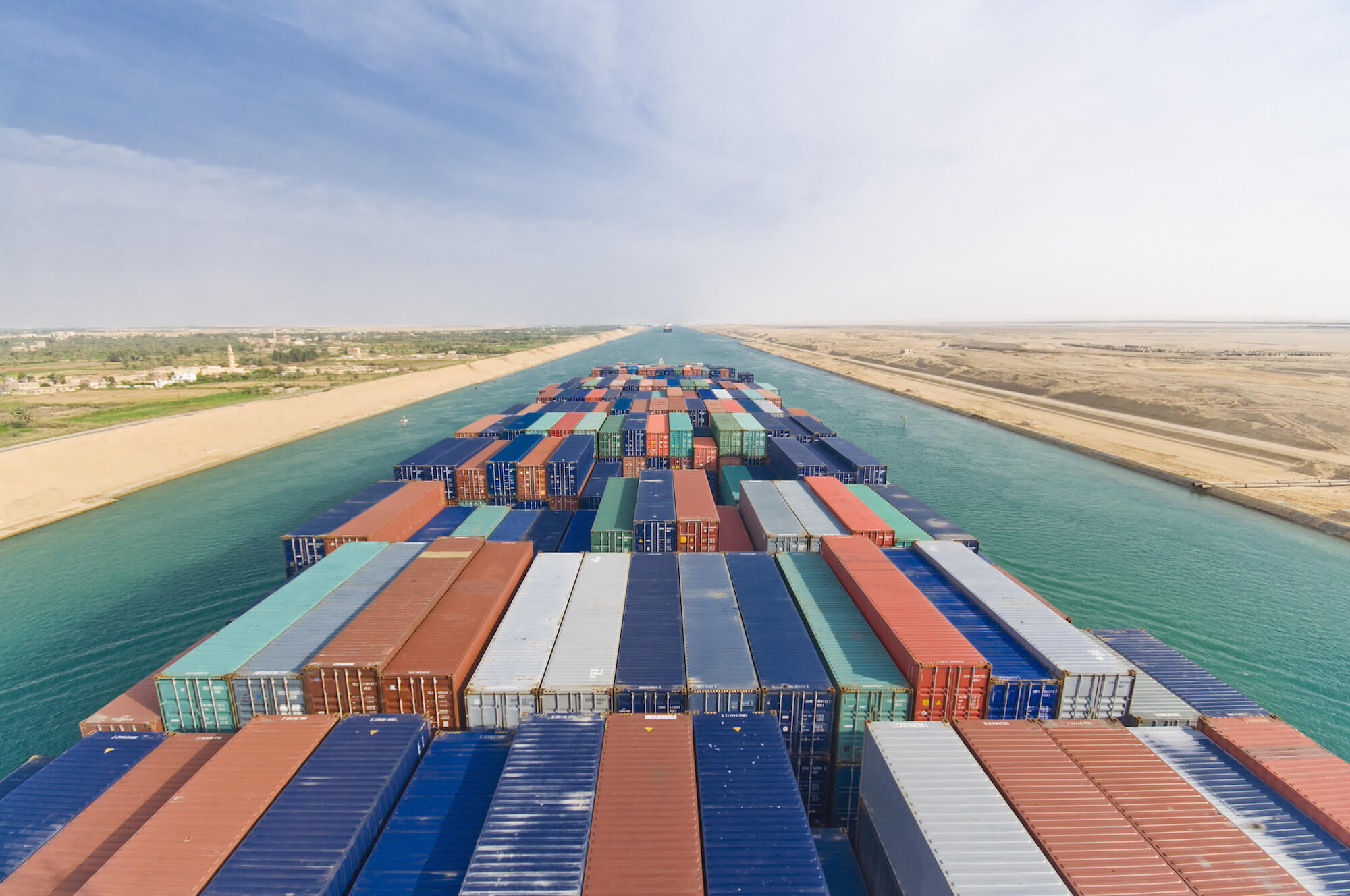
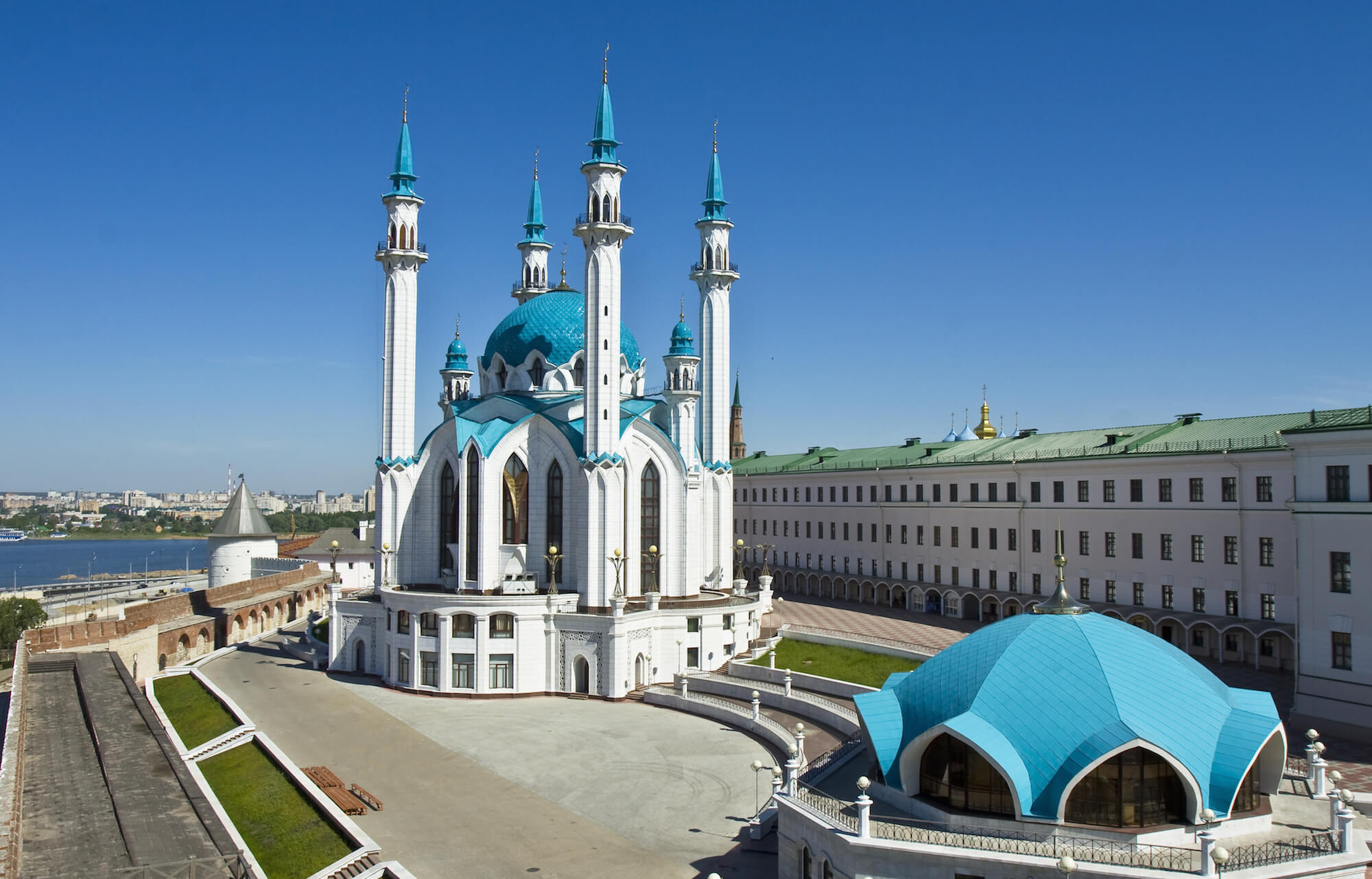
The Tatars are one of the great ethnicities of the Eurasian Hordelands and the largest minority group within the Russian Federation. The bulk of the population lives on the banks of the Volga, Oka and Kama rivers. That they are a riverine culture makes them stand apart from every other people of the region.
The Hordelands are a trackless expanse with no meaningful barriers to differentiate one portion of its great plains from another. Nearly alone among the Hordelands peoples, the Tatars have traditionally used their rivers to trade throughout the Greater Volga river system, giving them a more mercantile nature and a view of wider horizons than even the Russians who rule them. Two additional characteristics set them aside from those Russians.
First, the Tatars are Turkic and Muslim rather than Slavic and Orthodox. They are not the sort of Muslim that Westerners normally think of. Their strain of Islam is modernized. Women enjoy full rights and can show their faces (and legs!) and wear dresses. Their people are extremely well educated. They run their own “national” oil company — Tatneft — which is well-skilled at handling heavy crude grades. Their leading scientists occupied top spots in the Soviet space program. They have long sought — and achieved — significant autonomy from Moscow. This difference in identity — despite its atypicality — potentially makes the Tatars the natural leaders of a range of other Turkic, Muslim minorities ranging from the Bashkirs to Chechens.
Second, the Tatars have largely escaped the economic dislocation and despair of the post-Soviet collapse, as well as the diseases and drug use that run rampant among ethnic Russians. So while the Russian population is (rapidly) aging, sickening and shrinking, the Tatar population is youthful, healthy and growing.
And location is everything. The Tatar homelands sit on all of the river, road, pipe and rail infrastructure that connects Moscow and European Russia to Siberia. Without active collaboration on the part of the Tatars, the Russians would see their energy output halve and their control over the eastern three-quarters of their lands falter. Simply put, Russia cannot survive in the form it currently holds without active and ongoing Tatar collaboration. As the Russian population thins and fades, and the Tatar population becomes more robust, the relationship between the two peoples will determine the region’s future.
For more on the Tatars and their world, see Chapter 15 in The Accidental Superpower.
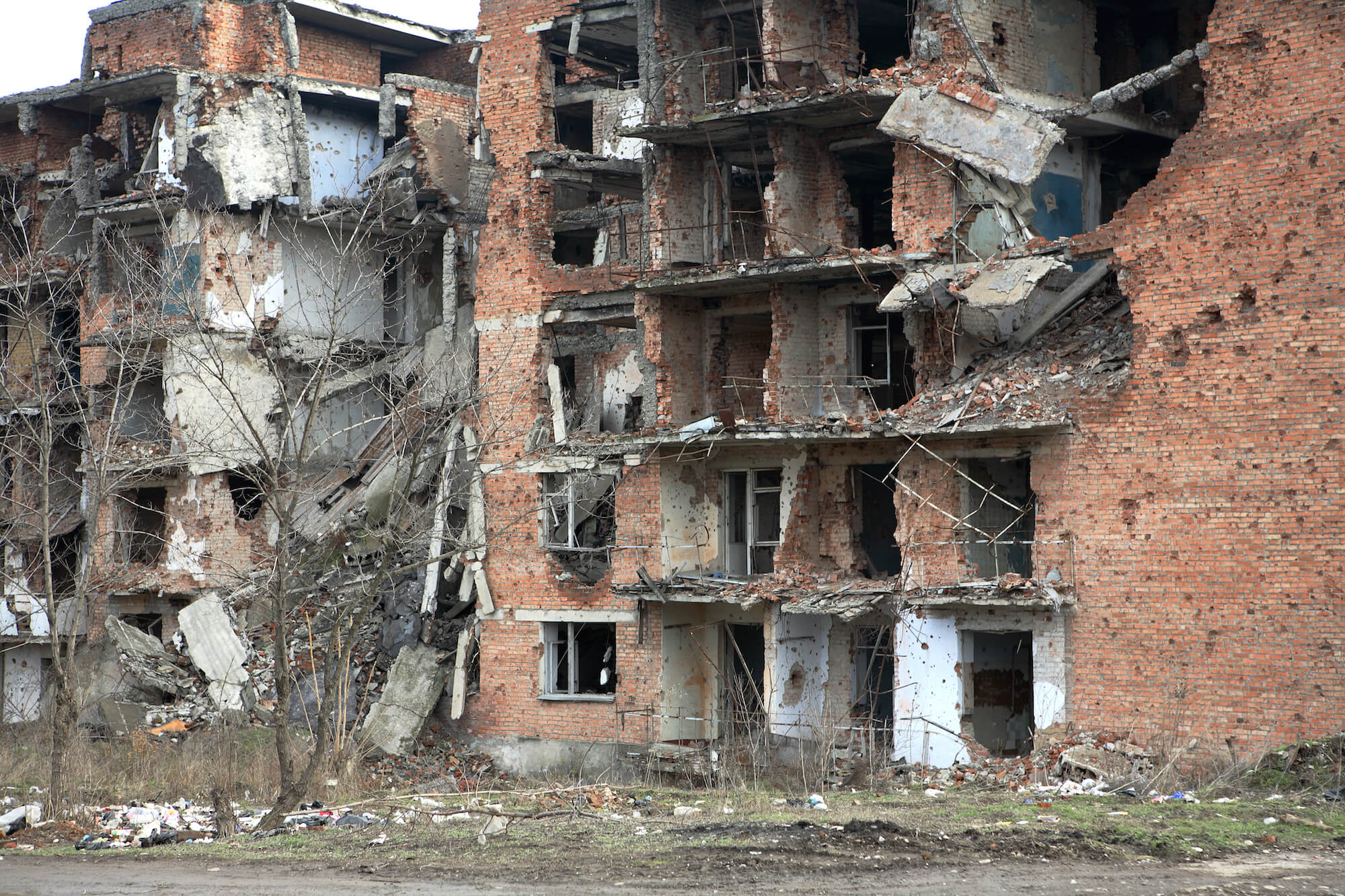
Battle-scarred from two protracted wars in since the Cold War’s end, the Chechen capital of Grozny seems trapped in a lost era. The Russians first came to the region in the 18th century, seeking a means of anchoring their southern border. The Caucasus provided the best option, which led to direct and unrelenting conflict with a number of local cultures, with the Chechens proving the most formidable. It took a century for the Russians to break Chechen power, and the two post-Cold War conflicts were merely the most recent eruptions of violence between the two peoples. Those two episodes alone killed more than 100,000 people.
Russian victory in the most recent war, however, was not achieved simply by force of arms. Moscow succeeded in splitting the various Chechen factions, allying with various factions in a decade-long game of divide-and-conquer. Among other things, that meant the Russians deliberately empowered one faction — with intelligence, training, weapons, and forced mergers with other factions — to use as a proxy.
As seen in many other parts of the Russian Federation, the Russians face a series of bad decisions. In Chechnya, the decision was between a decades-long war that would bleed what little demographic strength the Russians had left, or a reluctant alliance of convenience that would haunt them in the future. Far from breaking the Chechens, the Russians have actually strengthened them culturally, politically, and above all else, militarily.
The next time the Chechens rebel against Russian power, it will be a battle between a confident and demographically robust Chechnya, and a faltering Russia under siege from without and within. In that future war, it is entirely likely the Chechens will succeed.
Read more in The Accidental Superpower, Chapters 10 and 15.